
Education
FG Bans SS3 Admissions, Transfers in Public and Private Schools
The Federal Government has announced a nationwide ban on the admission and transfer of students into Senior Secondary School Three (SS3)….

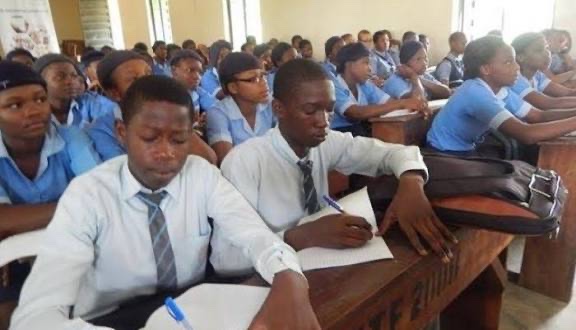
- The Federal Government has announced a nationwide ban on the admission and transfer of students into Senior Secondary School Three (SS3), citing rising cases of examination malpractice and abuse of “special centres.”

The Federal Government has imposed a nationwide ban on the admission and transfer of students into Senior Secondary School Three (SS3) in both public and private secondary schools across Nigeria.
The directive was issued by the Federal Ministry of Education in a press release dated December 14, 2025, and signed by the Director of Press and Public Relations, Boriowo Folasade.
According to the ministry, the decision followed growing concerns over the increasing incidence of examination malpractice, including the use of so-called special centres during external examinations, which it said undermine the integrity and credibility of Nigeria’s education system.
The ministry disclosed that the policy will take effect from the 2026/2027 academic session.
“The policy will take effect from the next academic calendar 2026/27, with admissions and transfers now restricted strictly to Senior Secondary School One (SS1) and Senior Secondary School Two (SS2),” the statement said.

It added that admission or transfer into SS3 will no longer be permitted under any circumstance.
DON’T MISS: Senate Queries WAEC, Education Minister Over New SSCE Guidelines
Explaining the rationale behind the policy, the ministry said the move was aimed at discouraging last-minute movement of students for examination-related advantages, ensuring proper academic monitoring, and promoting continuity in teaching and learning.
The Federal Ministry of Education directed school proprietors, principals, and administrators nationwide to fully comply with the new policy, warning that violations would attract sanctions in line with existing education regulations and guidelines.
Reaffirming the government’s stance, the ministry said the directive forms part of broader education reforms aimed at maintaining academic standards, promoting fairness, and restoring credibility to public examinations across the country.





IPOB Accuses Nigerian Govt, Army of Plot to Demonise Group and Justify Attacks in South-East
The Indigenous People of Biafra has accused the Nigerian government and the military of fabricating insecurity in the South-East.

List of Approved 114 Universities to Run Law Programmes in Nigeria (Full List)
The Council of Legal Education has released the list of 114 universities authorised to run Bachelor of Laws (LL.B) programmes...

FG, States, LGs Share N1.89tn February Revenue
The Federation Account Allocation Committee has shared a total of N1.894 trillion as Federation Account revenue for February 2026...
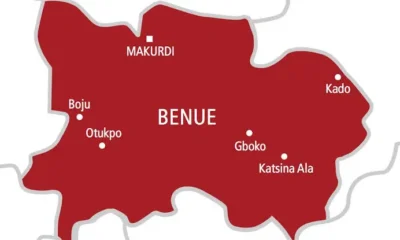

Thugs Abduct Mortuary Attendant to Stop Mass Burial of Benue Bandit Attack Victims
Suspected thugs have abducted a mortuary attendant in Benue State in an alleged attempt to prevent the planned mass burial.


Nigerians Risk Higher Flight Costs as Aviation Fuel Price Surges 80%
Domestic airlines in Nigeria are under severe financial pressure after the price of aviation fuel surged by about 80 per...

BREAKING: CBN Bars Loan Defaulters from New Credit, Banking Services
The Central Bank of Nigeria has directed banks to deny additional credit facilities and certain banking services to large borrowers...


Comedian Broda Shaggi Hospitalised After Alleged Gunshot Incident
Popular Nigerian comedian and skit maker Broda Shaggi has been hospitalised after he allegedly sustained a gunshot injury.

Iran’s New Supreme Leader Vows Revenge, Keeps Hormuz Strait Closed
Iran’s new Supreme Leader Mojtaba Khamenei has pledged to maintain the closure of the Strait of Hormuz to pressure the...

63% of Nigerians Now Poor After Petrol Subsidy Removal — Study
About 63 percent of Nigerians fell below the poverty line after the removal of petrol subsidy.

Details Emerge as Tinubu Approves New Military Hardware After Security Talks
President Bola Tinubu has approved the procurement of additional equipment for Nigeria’s armed forces and security agencies