
Sports
FIFA Confirms Mandatory Three-Minute Hydration Breaks in Each Half of 2026 World Cup
FIFA has approved two compulsory hydration breaks per match at the 2026 World Cup,

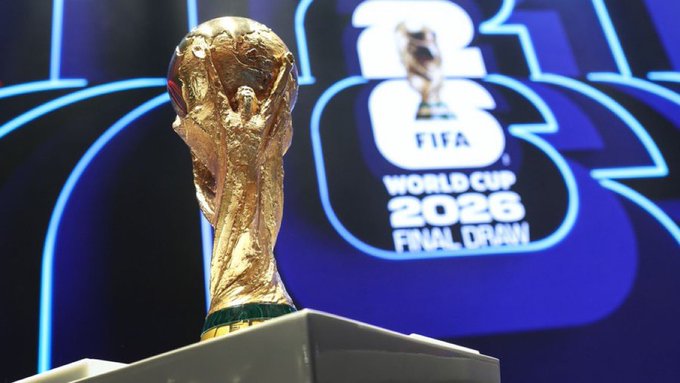
- FIFA has approved two compulsory hydration breaks per match at the 2026 World Cup, lasting three minutes each and taken midway through both halves.

FIFA has confirmed that the 2026 World Cup will introduce mandatory hydration breaks, with two set pauses taking place in every match. The breaks will be taken at the midpoint of each half and will last for three minutes.
The announcement, made on Sunday, followed discussions with national team coaches and broadcasters during the World Cup draw events in Washington, D.C. The decision received unanimous support, including from FIFA’s medical department, as part of efforts to prioritise player welfare.
Although the match clock will continue running during the breaks, referees will add three minutes at the end of each half as stoppage time.
FIFA clarified that the hydration pauses will occur regardless of weather conditions.
“There will be no weather or temperature condition in place, with the breaks being called by the referee in all games, to ensure equal conditions for all teams,” the organisation stated.

Manolo Zubiria, FIFA’s chief tournament officer, explained that each break will be “three minutes from whistle to whistle,” and that any injuries around the break period will be handled on the spot with the referee.
The move follows intense criticism after this year’s Club World Cup in the United States, where midday kick-offs led to players and coaches struggling under high temperatures. PSG manager Luis Enrique described the heat as a major influence on matches, saying it was “impossible to perform at a very high level for 90 minutes.”
DON’T MISS: FIFA Sets Deadline for Clubs Before Releasing AFCON Stars
Chelsea midfielder Enzo Maresca also highlighted the issue, revealing he felt dizzy due to the conditions:
“Playing in this temperature is very dangerous… the speed of the game is not the same, everything becomes very slow.”
With the 2026 World Cup being staged across the U.S., Mexico and Canada, FIFA believes the new measure will help maintain player health and match quality throughout the tournament.





IPOB Alleges Global Conspiracy, Demands Immediate Release of Nnamdi Kanu
The Indigenous People of Biafra (IPOB) has issued a strong statement accusing the Nigerian government and international actors of complicity...


Ejimakor Tops Legal Team in Nnamdi Kanu Case with Multiple Court, International Victories — Report
A new legal briefing has identified Barrister Aloy Ejimakor as the leading counsel in Nnamdi Kanu’s defence, citing multiple court...

BREAKING: FG Declares Easter Public Holidays
The Federal Government has announced public holidays to mark Good Friday and Easter Monday celebrations nationwide.

IPOB Praises US Lawmakers, Calls for Referendum as Nigeria Faces ‘Impending Crisis’
The Indigenous People of Biafra says recent remarks by US figures have exposed growing concerns about Nigeria’s security situation.
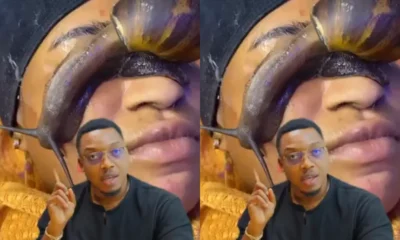

Aproko Doctor Warns Against ‘Live Snail’ Skincare Trend, Cites Infection Risks (Video)
Health influencer Aproko Doctor has cautioned Nigerians against using live snails on their faces, warning of serious health risks including...
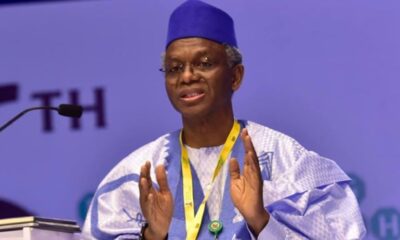

ICPC Fixes Date to Arraign El-Rufai Over Alleged Corruption, Money Laundering
The ICPC has announced plans to arraign former Kaduna Governor Nasir El-Rufai in court over multiple corruption-related charges following weeks...

Apply Now: FG Opens Fully Funded Overseas Scholarship for Nigerians (2026/2027)
The Federal Government, through the NDDC, has launched applications for its fully funded foreign postgraduate scholarship, targeting young Nigerians from...


OnlyFans Owner Leo Radvinsky Dies at 43, Cause of Death Emerges
Billionaire tech entrepreneur Leo Radvinsky, owner of OnlyFans, has died at 43, leaving behind a multibillion-dollar digital empire built on...
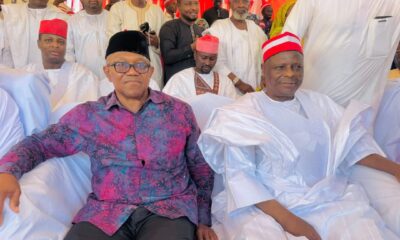

Kwankwaso, Obi, Dickson meeting Surprises APC as Details Emerge
The Kano APC has expressed surprise after Rabiu Kwankwaso hosted Peter Obi, Seyi Makinde, and Seriake Dickson in Kano.
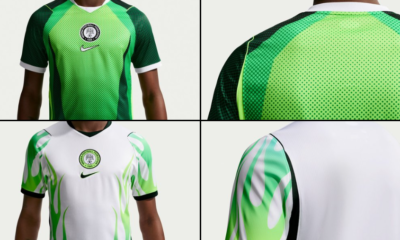

Nike Unveils New Super Eagles Home, Away Jerseys for 2026 Season (Photos)
Nike has launched Nigeria’s new Super Eagles home and away jerseys, combining striking designs with performance technology despite the team’s...