
World News
Trump Imposes New US Entry Restrictions in 15 Countries, Nigeria Added to List
President Donald Trump has signed a new Proclamation tightening US entry rules, with Nigeria added to a list of countries facing partial travel restrictions…

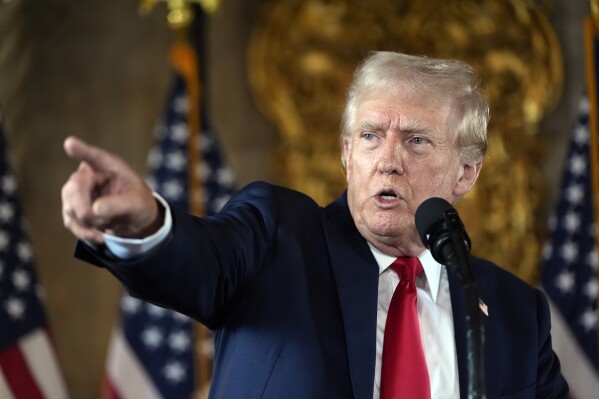
- President Donald Trump has signed a new Proclamation tightening US entry rules, with Nigeria added to a list of countries facing partial travel restrictions over security and vetting concerns.

President Donald Trump, on Tuesday, signed a Proclamation further restricting entry into the United States for nationals of countries considered high-risk due to “demonstrated, persistent, and severe deficiencies in screening, vetting, and information-sharing” that threaten US national security and public safety.
Under the new directive, Nigeria has been listed among 15 additional countries placed under partial entry restrictions.
The announcement was made in a fact sheet published on the White House website titled “President Donald J. Trump Further Restricts and Limits the Entry of Foreign Nationals to Protect the Security of the United States,” issued on Tuesday, December 16, 2025.
Recall that Trump had earlier, on October 31, declared Nigeria a “country of particular concern” over alleged persecution of Christians. The White House described the latest action as “strengthening national security through common sense restrictions based on data.”
According to the Proclamation, full entry restrictions remain in force for nationals of 12 previously designated high-risk countries under Proclamation 10949: Afghanistan, Burma, Chad, Republic of the Congo, Equatorial Guinea, Eritrea, Haiti, Iran, Libya, Somalia, Sudan, and Yemen.
The new order also imposes full restrictions on five additional countries—Burkina Faso, Mali, Niger, South Sudan, and Syria—as well as individuals holding Palestinian-Authority-issued travel documents. Laos and Sierra Leone, which were previously under partial restrictions, have now been moved to full restrictions.
Nationals of Burundi, Cuba, Togo, and Venezuela remain subject to partial entry limitations.
Nigeria joins 14 other countries newly placed under partial restrictions, including Angola, Antigua and Barbuda, Benin, Côte d’Ivoire, Dominica, Gabon, The Gambia, Malawi, Mauritania, Senegal, Tanzania, Tonga, Zambia, and Zimbabwe.

The fact sheet noted that “exceptions for lawful permanent residents, existing visa holders, certain visa categories like athletes and diplomats, and individuals whose entry serves U.S. national interests” will apply. It added that family-based immigrant visa carve-outs carrying “demonstrated fraud risks” have been narrowed, though case-by-case waivers remain possible.
Explaining the rationale, the White House said the Proclamation was necessary “to prevent the entry of foreign nationals about whom the United States lacks sufficient information to assess the risks they pose,” while also seeking cooperation from foreign governments and advancing counterterrorism objectives.
DON’T MISS: Trump Sues BBC for $10bn Over ‘Doctored’ Capitol Riot Documentary
Trump was quoted as saying, “It is the President’s duty to take action to ensure that those seeking to enter our country will not harm the American people.”
The administration said the decision followed consultations with cabinet officials and assessments under existing executive orders, concluding that “the entry of nationals from additional countries must be restricted or limited to protect U.S. national security and public safety interests.”
The restrictions, according to the White House, are country-specific and designed to encourage cooperation, citing challenges such as “widespread corruption, fraudulent or unreliable civil documents,” poor birth-registration systems, refusal to share law-enforcement data, high visa-overstay rates, and the presence of terrorist or criminal activity in some countries.
The fact sheet described the move as part of Trump’s broader national security agenda, stating that “President Trump is keeping his promise to restore travel restrictions on dangerous countries and to secure our borders.”
It also referenced a previous Supreme Court ruling that upheld similar restrictions, noting that such actions fall “squarely within the scope of Presidential authority.”
Finally, the White House disclosed that Turkmenistan has shown improved cooperation with US authorities, leading to the lifting of restrictions on its non-immigrant visas, while maintaining limits on immigrant entry.





IPOB Accuses Nigerian Govt, Army of Plot to Demonise Group and Justify Attacks in South-East
The Indigenous People of Biafra has accused the Nigerian government and the military of fabricating insecurity in the South-East.

List of Approved 114 Universities to Run Law Programmes in Nigeria (Full List)
The Council of Legal Education has released the list of 114 universities authorised to run Bachelor of Laws (LL.B) programmes...

FG, States, LGs Share N1.89tn February Revenue
The Federation Account Allocation Committee has shared a total of N1.894 trillion as Federation Account revenue for February 2026...
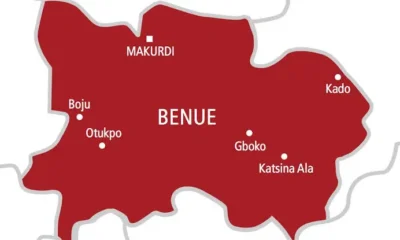

Thugs Abduct Mortuary Attendant to Stop Mass Burial of Benue Bandit Attack Victims
Suspected thugs have abducted a mortuary attendant in Benue State in an alleged attempt to prevent the planned mass burial.

Nigerians Risk Higher Flight Costs as Aviation Fuel Price Surges 80%
Domestic airlines in Nigeria are under severe financial pressure after the price of aviation fuel surged by about 80 per...

BREAKING: CBN Bars Loan Defaulters from New Credit, Banking Services
The Central Bank of Nigeria has directed banks to deny additional credit facilities and certain banking services to large borrowers...


Comedian Broda Shaggi Hospitalised After Alleged Gunshot Incident
Popular Nigerian comedian and skit maker Broda Shaggi has been hospitalised after he allegedly sustained a gunshot injury.

Iran’s New Supreme Leader Vows Revenge, Keeps Hormuz Strait Closed
Iran’s new Supreme Leader Mojtaba Khamenei has pledged to maintain the closure of the Strait of Hormuz to pressure the...

63% of Nigerians Now Poor After Petrol Subsidy Removal — Study
About 63 percent of Nigerians fell below the poverty line after the removal of petrol subsidy.

Details Emerge as Tinubu Approves New Military Hardware After Security Talks
President Bola Tinubu has approved the procurement of additional equipment for Nigeria’s armed forces and security agencies