
Politics
Why FG Raised 2026 Budget to ₦58.18 Trillion — Presidency Source Reveals
A presidency source has explained that the Federal Government raised the 2026 budget to ₦58.18 trillion…

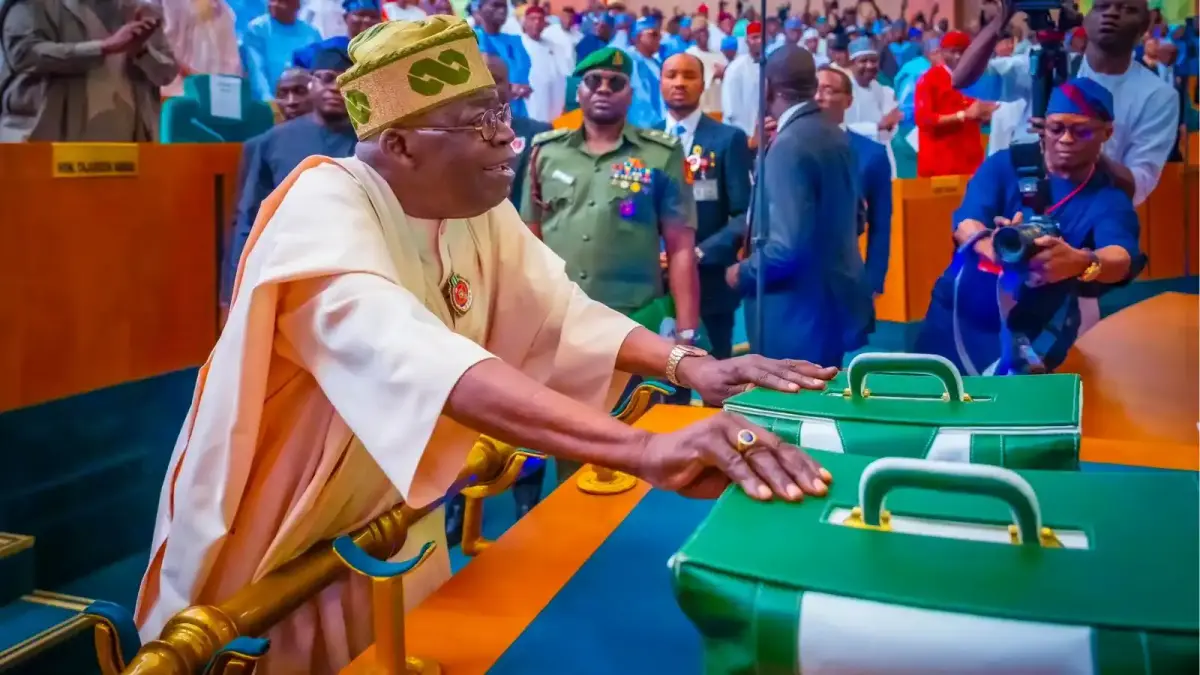
- A presidency source has explained that the Federal Government raised the 2026 budget to ₦58.18 trillion mainly to accommodate large-scale recruitment into the military, police and other security agencies.

A source in the Presidency has revealed why the Federal Government increased the 2026 budget from the ₦54.46 trillion earlier proposed in the Medium-Term Expenditure Framework (MTEF) to ₦58.18 trillion.
According to the source, who spoke on condition of anonymity, the upward review was necessitated by the massive recruitment into the military, police and other security agencies recently announced by President Bola Ahmed Tinubu.
The source explained that budget submissions by Ministries, Departments and Agencies (MDAs) to the Budget Office of the Federation had already been concluded before the President’s announcement to increase personnel strength across security agencies.
As a result, the financial implications of the new recruitment exercise were not captured in the initial budget figure, making a revision inevitable.
“The budget had to be increased to accommodate the new intakes because the submissions had already been completed before the announcement,” the source said.
It was further revealed that the President presented the budget to the National Assembly earlier than expected to demonstrate commitment to its swift passage, even though the details of the adjustment were yet to be fully worked out.
“The budget process was already late, and they could not wait for all the details to be concluded before presentation,” the source added.
“They have to work on the details and clean it up before the bill returns to the National Assembly for MDAs’ budget defence and the rest of the process,” the source said.
The proposed ₦58.18 trillion aggregate expenditure represents a 6 per cent increase over the ₦49.7 trillion budget estimate for 2025.

The figure includes ₦4.98 trillion in projected spending by government-owned enterprises and ₦1.37 trillion allocated to grants and donor-funded projects.
Statutory transfers are estimated at ₦4.1 trillion, while debt service is pegged at ₦15.52 trillion, including ₦3.388 trillion for the sinking fund to retire maturing obligations to local contractors and creditors.
DON’T MISS: Peter Obi Slams Reps for Failing to Criminalise Vote-Buying
Personnel costs, including pensions, stand at ₦10.75 trillion, seven per cent higher than the 2025 provision. This includes ₦1.02 trillion for government-owned enterprises. Overhead costs are projected at ₦2.22 trillion.
Non-oil revenues continue to rise and now account for about two-thirds of total government receipts, underscoring a gradual shift away from oil dependence.
With projected revenues of ₦34.33 trillion against total expenditure of ₦58.18 trillion, the budget deficit is estimated at ₦23.85 trillion, representing 4.28 per cent of GDP.
Recurrent (non-debt) expenditure is projected at ₦15.25 trillion, while capital expenditure is estimated at ₦26.08 trillion.
Security tops sectoral allocations with ₦5.41 trillion, followed by Infrastructure (₦3.56 trillion), Education (₦3.52 trillion) and Health (₦2.48 trillion).





IPOB Alleges Global Conspiracy, Demands Immediate Release of Nnamdi Kanu
The Indigenous People of Biafra (IPOB) has issued a strong statement accusing the Nigerian government and international actors of complicity...

Ejimakor Tops Legal Team in Nnamdi Kanu Case with Multiple Court, International Victories — Report
A new legal briefing has identified Barrister Aloy Ejimakor as the leading counsel in Nnamdi Kanu’s defence, citing multiple court...

BREAKING: FG Declares Easter Public Holidays
The Federal Government has announced public holidays to mark Good Friday and Easter Monday celebrations nationwide.

IPOB Praises US Lawmakers, Calls for Referendum as Nigeria Faces ‘Impending Crisis’
The Indigenous People of Biafra says recent remarks by US figures have exposed growing concerns about Nigeria’s security situation.


Aproko Doctor Warns Against ‘Live Snail’ Skincare Trend, Cites Infection Risks (Video)
Health influencer Aproko Doctor has cautioned Nigerians against using live snails on their faces, warning of serious health risks including...

ICPC Fixes Date to Arraign El-Rufai Over Alleged Corruption, Money Laundering
The ICPC has announced plans to arraign former Kaduna Governor Nasir El-Rufai in court over multiple corruption-related charges following weeks...

Apply Now: FG Opens Fully Funded Overseas Scholarship for Nigerians (2026/2027)
The Federal Government, through the NDDC, has launched applications for its fully funded foreign postgraduate scholarship, targeting young Nigerians from...


OnlyFans Owner Leo Radvinsky Dies at 43, Cause of Death Emerges
Billionaire tech entrepreneur Leo Radvinsky, owner of OnlyFans, has died at 43, leaving behind a multibillion-dollar digital empire built on...

Kwankwaso, Obi, Dickson meeting Surprises APC as Details Emerge
The Kano APC has expressed surprise after Rabiu Kwankwaso hosted Peter Obi, Seyi Makinde, and Seriake Dickson in Kano.
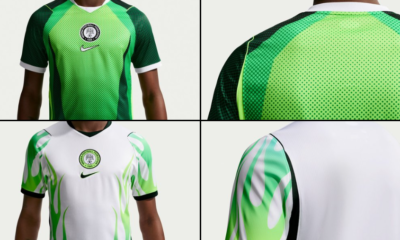

Nike Unveils New Super Eagles Home, Away Jerseys for 2026 Season (Photos)
Nike has launched Nigeria’s new Super Eagles home and away jerseys, combining striking designs with performance technology despite the team’s...