
Lifestyle
Which Tribe Originally Owns Egusi Soup In Nigeria?
Egusi soup is a popular dish in West Africa, particularly in Nigeria and among the Hausa, Yoruba, and Igbo ethnic groups.

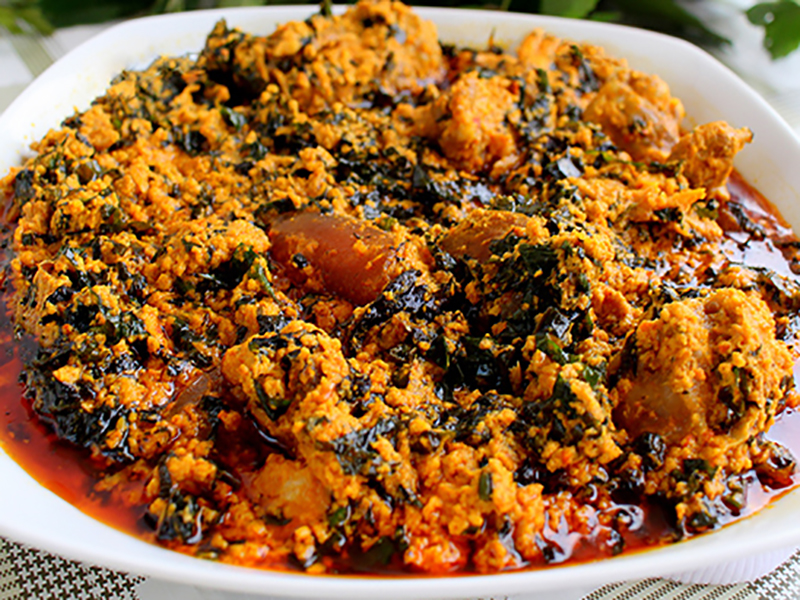
Egusi soup is a popular dish in West Africa, particularly in Nigeria and among the Hausa, Yoruba, and Igbo ethnic groups.
Egusi soup is a popular dish in West Africa, particularly in Nigeria and among the Hausa, Yoruba, and Igbo ethnic groups.
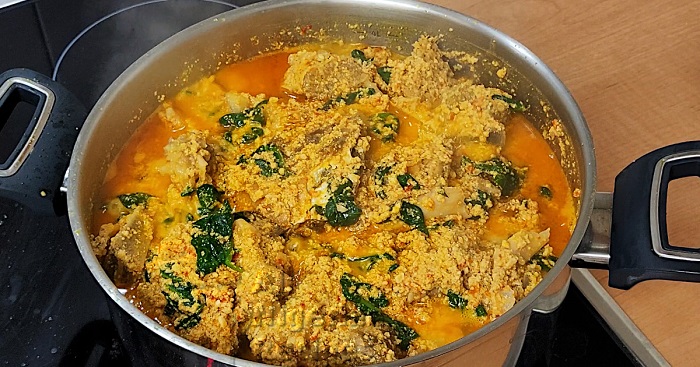
However, it is believed to have originated from the Hausa people of Northern Nigeria. Egusi soup is traditionally made with ground melon seeds (egusi), vegetables, and various spices, and it is enjoyed by people from different ethnic backgrounds across Nigeria and beyond.
In this article, we will be discussing on Hause, Yoruba and Igbo-style Egusi Soup.
Hausa-Style Egusi Soup
The Hausa people, predominantly found in Northern Nigeria, have their own distinctive way of preparing egusi soup. Here’s a traditional Hausa-style egusi soup recipe:
Ingredients:
- Ground egusi (melon seeds)
- Assorted meats (such as beef, goat meat, or chicken)
- Assorted fish (such as stockfish, dried fish, or smoked fish)
- Palm oil
- Assorted vegetables (such as spinach, bitter leaf, or pumpkin leaves)
- Onions
- Ground crayfish
- Ground pepper (such as Scotch bonnet or habanero)
- Seasoning cubes (such as Maggi or Knorr)
- Salt
- Other optional ingredients (such as dawadawa or daddawa)
Instructions:
- Start by preparing the assorted meats and fish. Wash them thoroughly and cut them into bite-sized pieces.
- In a pot, heat some palm oil over medium heat. Add chopped onions and sauté until they become translucent.
- Add the assorted meats to the pot and fry until they are browned on all sides.
- Once the meats are browned, add water to the pot to cover the meats and bring it to a boil. Reduce the heat and allow the meats to simmer until they are partially cooked.
- While the meats are cooking, mix the ground egusi with a little water to form a paste. The consistency should be thick but smooth.
- Add the ground egusi paste to the pot, stirring well to combine with the meat and broth. Allow it to cook for about 10-15 minutes, stirring occasionally to prevent sticking.
- Add the assorted fish, ground crayfish, ground pepper, seasoning cubes, and salt to taste. Stir well and continue to cook for another 5-10 minutes.
- Once the egusi soup has thickened and the flavors have melded together, add the chopped vegetables to the pot. Stir them into the soup and allow them to cook until they are tender but still vibrant in color.
- Taste the soup and adjust the seasoning if necessary. You can also add optional ingredients like dawadawa or daddawa for extra flavor.
- Once everything is cooked through and well combined, remove the pot from the heat and serve the egusi soup hot with your choice of accompaniment, such as tuwo shinkafa (rice dumplings) or fufu.
This traditional Hausa-style egusi soup recipe may vary slightly depending on personal preferences and regional variations within the Hausa culture. Enjoy your delicious egusi soup!
Yoruba-style Egusi Soup
Yoruba-style egusi soup, like other variations, is rich, flavorful, and typically includes a combination of ingredients such as meat, fish, vegetables, and spices. Here’s a general overview of how Yoruba people often prepare egusi soup:
Ingredients:
- Ground egusi (melon seeds)
- Assorted meats (such as beef, goat meat, or chicken)
- Assorted fish (such as stockfish, dried fish, or smoked fish)
- Palm oil
- Assorted vegetables (such as spinach, bitter leaf, or pumpkin leaves)
- Onions
- Ground crayfish
- Ground pepper (such as Scotch bonnet or habanero)
- Seasoning cubes (such as Maggi or Knorr)
- Salt
- Other optional ingredients (such as locust beans or iru)
Instructions:
- Prepare the assorted meats by washing and cutting them into bite-sized pieces. Similarly, clean and prepare the assorted fish if they are not already prepared.
- In a pot, heat some palm oil over medium heat. Add chopped onions and allow them to sauté until they are translucent.
- Add the assorted meats to the pot and fry them until they are browned. If using tougher meats like beef or goat meat, you may need to cook them for a longer time to tenderize.
- Once the meats are browned, add water to the pot to cover the meats and bring it to a boil. Reduce the heat and allow the meats to simmer until they are partially cooked.
- While the meats are cooking, mix the ground egusi with some water to form a paste. The consistency should be thick but smooth.
- Add the ground egusi paste to the pot, stirring well to combine with the meat and broth. Allow it to cook for about 10-15 minutes, stirring occasionally to prevent sticking.
- Add the assorted fish, ground crayfish, ground pepper, seasoning cubes, and salt to taste. Stir well and continue to cook for another 5-10 minutes.
- Finally, add the chopped vegetables to the pot. Stir them into the soup and allow them to cook until they are tender but still vibrant in color.
- Taste the soup and adjust the seasoning if necessary. You can also add optional ingredients like locust beans (iru) for extra flavor.
- Once everything is cooked through and well combined, remove the pot from the heat and serve the egusi soup hot with your choice of accompaniment, such as pounded yam, fufu, or rice.
This recipe is a basic guideline, and variations exist based on personal preferences and regional differences. Enjoy your Yoruba-style egusi soup!
Yoruba-style egusi soup, like other variations, is rich, flavorful, and typically includes a combination of ingredients such as meat, fish, vegetables, and spices. Here’s a general overview of how Yoruba people often prepare egusi soup:
Igbo-style Egusi Soup
The Igbo people of Nigeria have their unique way of preparing egusi soup, which is commonly referred to as “Ofe Egusi” in the Igbo language. Here’s a traditional Igbo-style egusi soup recipe:
Ingredients:
- Ground egusi (melon seeds)
- Assorted meats (such as beef, goat meat, or chicken)
- Assorted fish (such as stockfish, dried fish, or smoked fish)
- Palm oil
- Assorted vegetables (such as spinach, bitter leaf, or pumpkin leaves)
- Onions
- Ground crayfish
- Ground pepper (such as Scotch bonnet or habanero)
- Seasoning cubes (such as Maggi or Knorr)
- Salt
- Other optional ingredients (such as ogiri or iru)
Instructions:
- Start by preparing the assorted meats and fish. Wash them thoroughly and cut them into bite-sized pieces.
- In a pot, heat some palm oil over medium heat. Add chopped onions and sauté until they become translucent.
- Add the assorted meats to the pot and fry until they are browned on all sides.
- Once the meats are browned, add water to the pot to cover the meats and bring it to a boil. Reduce the heat and allow the meats to simmer until they are partially cooked.
- While the meats are cooking, mix the ground egusi with a little water to form a paste. The consistency should be thick but smooth.
- Add the ground egusi paste to the pot, stirring well to combine with the meat and broth. Allow it to cook for about 10-15 minutes, stirring occasionally to prevent sticking.
- Add the assorted fish, ground crayfish, ground pepper, seasoning cubes, and salt to taste. Stir well and continue to cook for another 5-10 minutes.
- Once the egusi soup has thickened and the flavors have melded together, add the chopped vegetables to the pot. Stir them into the soup and allow them to cook until they are tender but still vibrant in color.
- Taste the soup and adjust the seasoning if necessary. You can also add optional ingredients like ogiri (fermented oil bean seeds) or iru (fermented locust beans) for extra flavor.
- Once everything is cooked through and well combined, remove the pot from the heat and serve the egusi soup hot with your choice of accompaniment, such as pounded yam, fufu, or rice.
This traditional Igbo-style egusi soup recipe may vary slightly depending on personal preferences and regional variations within the Igbo culture. Enjoy your delicious egusi soup!
Between Hausa, Yoruba and Igbo-Egusi soup, which is the best?
Determining which method of cooking egusi soup is the “best” can be subjective and dependent on personal preferences.
Each ethnic group in Nigeria (Hausa, Igbo, and Yoruba) has its unique approach to preparing egusi soup, reflecting their cultural heritage and culinary traditions.
Here are some factors to consider when comparing the methods:
Flavor Profile: The flavor profile of egusi soup can vary based on the ingredients and spices used. Hausa, Igbo, and Yoruba methods may incorporate different combinations of meats, fish, vegetables, and seasonings, resulting in distinct flavor profiles. Some people may prefer the bold and spicy flavors of Igbo-style egusi soup, while others may enjoy the milder flavors of Yoruba or Hausa-style egusi soup.
Ingredients: The choice of ingredients can influence the taste, texture, and nutritional value of egusi soup. While the core ingredients like egusi (melon seeds), palm oil, and assorted proteins are common across all methods, each ethnic group may use specific vegetables, spices, or condiments unique to their culinary tradition.
Complexity: The complexity of preparation can vary among the different methods. Some people may prefer simpler recipes with fewer ingredients and steps, while others may enjoy the complexity and depth of flavor that come with more elaborate preparations.
Cultural Preference: Cultural background and personal preferences play a significant role in determining the “best” method of cooking egusi soup. Individuals may have grown up with a particular style of egusi soup and developed a preference for it based on familiarity and nostalgia.
Ultimately, the “best” method of cooking egusi soup is subjective and varies from person to person. It’s essential to appreciate and respect the diverse culinary traditions of Nigeria’s ethnic groups, recognizing that each method offers its own unique flavors and culinary experiences.
Experimenting with different recipes and adapting them to suit individual tastes is part of the joy of cooking and exploring cultural cuisine.
Watch video on how to prepare Nigerian Egusi soup






IGP Disu Redeploys New Commissioners of Police to Eight States
Inspector-General of Police Olatunji Disu has approved the deployment of new Commissioners of Police to eight state commands and key...


‘You Don’t Have to Get Married or Have Kids’ — Actress Tayo Adeniyi Tells Women
Nollywood actress Tayo Adeniyi has urged women not to base their happiness or self-worth on marriage and motherhood, saying they...


VIDEO: Residents Flee in Panic as Multiple Explosions Rock Abuja Near Filling Station
Residents fled in panic after multiple explosions were reported near Shafa Filling Station in Abuja's Apo Bridge area, with emergency...


US Visa Wait Time In Lagos And Abuja: How To Check Available Appointment Slots
US visa wait time in Lagos and Abuja explained: latest official appointment estimates, how Nigerians can check available slots, reschedule...


Army Arrests Two Soldiers Seen Acting as ‘Bouncers’ at Peller, Jarvis’ Wedding
The Nigerian Army has arrested two serving soldiers over their alleged involvement in an unauthorised deployment at the wedding of...


Air Peace Announces Flight Disruptions After FAAN Equipment Failure in Abuja
Air Peace has announced disruptions to some of its flight operations after a baggage screening machine at FAAN's domestic terminal...


Orji Kalu Backs Alex Otti for Second Term, Predicts Re-Election
Senator Orji Uzor Kalu has predicted that Abia State Governor Alex Otti will secure a second term in office, while...


Tinubu Has ‘No Competition’, Opposition Too Weak — Orji Kalu
Senator Orji Uzor Kalu says President Bola Tinubu remains the favourite to win the 2027 presidential election, insisting he has...


PFIPC DG Adeyemi Rejects Secret House Probe, Demands Public Hearing
Detained PFIPC DG Adeniyi Adeyemi has rejected plans by the House of Representatives to question him behind closed doors.


‘Why We Froze Osun Govt Accounts’ — EFCC
The EFCC says it froze Osun State Government accounts to stop the alleged diversion of public funds, revealing it is...
You must be logged in to post a comment Login