
Education
‘Nigerian Universities to Shutdown Nationwide in 2026’: SSANU Warns FG
University non-teaching staff have warned that failure to meet their outstanding demands and conclude renegotiations before December 31…

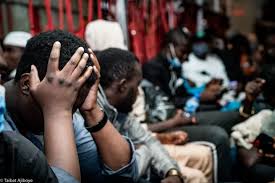
- University non-teaching staff have warned that failure to meet their outstanding demands and conclude renegotiations before December 31, 2025 will result in a total shutdown of Nigerian universities in 2026.

The Senior Staff Association of Nigerian Universities (SSANU) has warned the Federal Government that it will shut down universities nationwide in 2026 if negotiations and outstanding demands are not resolved by December 31, 2025.
The warning was issued in a communique released after SSANU’s 53rd National Executive Council meeting held at the University of Jos, and signed by its president, Muhammed Ibrahim.
The union said years of neglect, marginalisation and worsening conditions across campuses have pushed non-teaching staff to the breaking point. SSANU insisted it would no longer tolerate what it described as poor government commitment to staff welfare and university stability.
The association said its patience has been exhausted by government’s refusal to release the N50 billion captured in the 2022 MoU for Earned Allowances, along with the continued exclusion of Inter-University Centres and research institutes from previous payments. SSANU also condemned what it called the systemic marginalisation of non-teaching staff in government engagements.
It argued that the lack of a credible offer in ongoing renegotiations shows a deliberate pattern of neglect, warning that further delays will make industrial unrest inevitable.
The union also raised alarm over rising insecurity in educational institutions, noting that recent abductions in Niger and Kebbi States highlight the growing risks to students and workers. SSANU said campuses remain exposed due to weak lighting, broken perimeter fences, poor intelligence systems and under-resourced security units, and demanded immediate investment in surveillance technology, fortified perimeters and insurance coverage for all staff.
SSANU rejected the plan by the Federal Ministry of Education to introduce Public-Private Partnership (PPP) models for municipal services in universities. The union argued that PPP experiences in other sectors often lead to job losses, casualisation and degraded working conditions, insisting that no staff must be placed under inferior terms.
The communique also highlighted the decay in infrastructure across campuses, citing erratic electricity supply, dilapidated hostels, broken water systems and obsolete laboratories. It said the delayed release of funds and poor maintenance culture have crippled basic operations, and called for predictable, adequate and accountable funding to revive the system.

Economic hardship was another major concern, with the union stating that stagnant salaries, inflation, transport costs and rising prices have left many workers in distress. SSANU demanded an urgent wage review and stronger social protection measures.
In its warning, the communique stated:
“We have given the government enough time. If by December 31 our demands are not addressed in full and renegotiation is not concluded, the shutdown of universities in 2026 will be unavoidable. The responsibility will rest squarely on the government.”
DON’T MISS: Nigerian Law School Student Takes Own Life After Being Barred From Bar Final Exam
It added:
“Our members have endured years of injustice, exclusion and hardship. The marginalisation of non-teaching staff must end, and the government must honour its agreements without further excuses.”
SSANU said the system is failing:
“The decaying infrastructure, insecurity on campuses and the collapse of basic services show that the system is on life support. We cannot continue to work under these dangerous and humiliating conditions.”
The union concluded that while dialogue will continue, it will defend its members:
“SSANU will continue to pursue dialogue, but we will not hesitate to defend the rights and dignity of our members. Government must act now to prevent a total collapse of the university system.”





FULL LIST: Peter Mbah Approves Appointment of 101 New Aides
Governor Peter Mbah of Enugu State has approved the appointment of 101 new political aides, comprising seven Special Advisers, six...

Tinubu Abroad: Presidency Explains Who Is Running Nigeria
Presidential adviser Daniel Bwala has said President Bola Tinubu can continue to exercise his presidential responsibilities while outside Nigeria.....


FG Threatens to Shut Lagos-Calabar Coastal Highway in Two Weeks
The Federal Government has threatened to shut the Lagos section of the Lagos-Calabar Coastal Highway within two weeks if safety...

IPOB: Knesset Writes the UN — Jerusalem Is Delivering on the Promise
Mazi Chris Nwaọgụ has claimed that international pressure over Nnamdi Kanu’s continued detention is growing, while reiterating IPOB’s planned election...
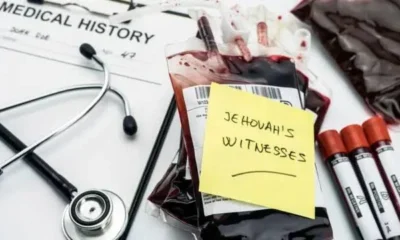

Jehovah’s Witnesses Make Fresh Decision on Blood Transfusions
Jehovah’s Witnesses have announced a change concerning the four main components of blood.

BREAKING: FG Suspends 21 NSCDC Officers, Releases Full List
The Federal Government has suspended the Niger State Commandant of the NSCDC and 20 other officers following the deaths of...


FG Gives Fresh Update as 10-Member Panel Probes Deaths of 37 NSCDC Detainees
The Federal Government has constituted a 10-member independent committee to investigate the deaths of 37 suspected illegal miners...

Alex Otti Gives Fresh Update on Political Future, Says He Will Retire After Tenure
Abia State Governor Alex Otti has said he will retire from active politics after completing his tenure, ruling out a...

BREAKING: FG Plans Low-Key 66th Independence Celebration for Nigerians
President Bola Tinubu will address Nigerians in a nationwide broadcast on October 1 as the Federal Government prepares a low-key...


BREAKING: Youths Seeks Release of #EndSARS Report
Ogun youths have urged Governor Dapo Abiodun to make public the report of the state’s Judicial Panel of Investigation on...