
Politics
BREAKING: INEC 2027 Elections Budget Hits ₦903.78bn as Senate Proposes Additional ₦30bn
The Senate has proposed an additional ₦30 billion for INEC to strengthen preparations for the 2027 elections.

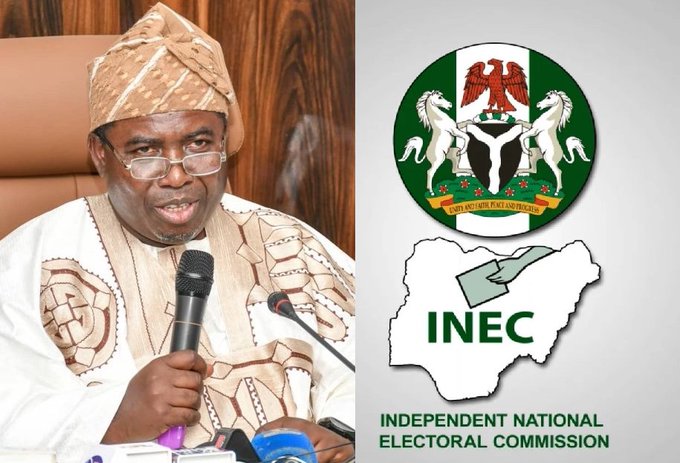
- The Senate has proposed an additional ₦30 billion for INEC to strengthen preparations for the 2027 elections, as Tinubu engages lawmakers and stakeholders call for urgent electoral reforms.

The Senate Committee on Electoral Matters has recommended an additional ₦30 billion allocation for the Independent National Electoral Commission (INEC) to strengthen preparations for the 2027 general elections.
The proposed increase would raise the commission’s total election budget from ₦873.78 billion to ₦903.78 billion, with lawmakers noting that the extra funds are intended to improve logistics, enhance operational capacity, and address challenges associated with conducting nationwide polls.
Meanwhile, Bola Ahmed Tinubu hosted members of the Senate at a Ramadan Iftar at the Presidential Villa, Abuja, in what observers described as a strategic engagement blending religious observance with political consultation. The closed-door meeting, which began after 6:30 p.m., provided an informal platform for dialogue between the executive and the legislature.
The gathering came shortly after a similar Iftar with state governors, reinforcing a pattern of using Ramadan engagements to build consensus and strengthen inter-governmental cooperation. Vice President Kashim Shettima, Chief of Staff Femi Gbajabiamila, and other senior officials were in attendance.
DON’T MISS: Nigerians Divided as Senator Natasha Akpoti Emerges in First Female Presidency Debate
In a related development, human rights lawyer Olisa Agbakoba renewed calls for urgent electoral reforms, emphasising the need to legally guarantee electronic transmission of results. He warned that the current manual collation system creates opportunities for manipulation as results move across various collation centres.
Agbakoba also pointed out that although INEC has guidelines supporting electronic transmission, the lack of clear legal backing in the Electoral Act undermines its implementation, citing judicial interpretations that prioritise statutory provisions over administrative guidelines.
The developments come as political activities gradually intensify ahead of the 2027 elections, with stakeholders calling for reforms to enhance transparency and credibility in the electoral process.





BREAKING: Fubara Appoints New Chief of Staff, SSG
Governor Siminalayi Fubara has appointed new top aides in Rivers State, a move coming amid ongoing political tension.


Embarrassing Moment ‘Nepa’ Took Light During Tunji Disu’s Decoration as Acting IGP in Abuja (Video)
A power outage disrupted the decoration of Tunji Disu as acting IGP in Abuja, sparking reactions after the incident occurred...

BREAKING: INEC 2027 Elections Budget Hits ₦903.78bn as Senate Proposes Additional ₦30bn
The Senate has proposed an additional ₦30 billion for INEC to strengthen preparations for the 2027 elections.


BREAKING: Tinubu Extends Ban on Raw Shea Nut Export
President Bola Tinubu has extended the ban on raw shea nut exports for another year, reinforcing efforts to boost local...

Lagos Airport Fire Destroyed Critical Air-to-Ground Communication Equipment — NAMA MD
The Managing Director of the Nigerian Airspace Management Agency, Farouk Umar, has disclosed that the recent fire outbreak at the...


Ignoring ‘Stop’ During Sex Could Lead to Jail – Lawyer Warns Men
Nigerian lawyer Dammy Esquire has warned that ignoring a partner’s request to stop during intimacy could amount to a criminal...


PHOTOS: Tinubu Decorates Tunji Disu as Acting IGP
President Bola Ahmed Tinubu on Wednesday formally decorated Tunji Disu as Acting Inspector-General of Police at the State House, Abuja,...


Tiwa Savage Launches Music Foundation, Partners Berklee
Tiwa Savage has launched a new music foundation and partnered with Berklee College of Music to train 100 emerging Nigerian...


Court Fixes Date to Rule on Pastor Okafor’s Suit Against Doris
An Ikeja High Court has fixed date to rule on a suit filed by Pastor Chris Okafor against Doris Ogala,...


Nigerians Divided as Senator Natasha Akpoti Emerges in First Female Presidency Debate
A wave of mixed reactions has trailed online conversations about Senator Natasha Akpoti-Uduaghan potentially becoming Nigeria’s first female president.