
Politics
FULL LIST: Nigerian Governors Who Died in Office and the Legacies They Left Behind
Not all Nigerian governors lived to complete their tenure. From Rotimi Akeredolu to Patrick Yakowa, here are governors who died in office and their lasting contributions to their states.

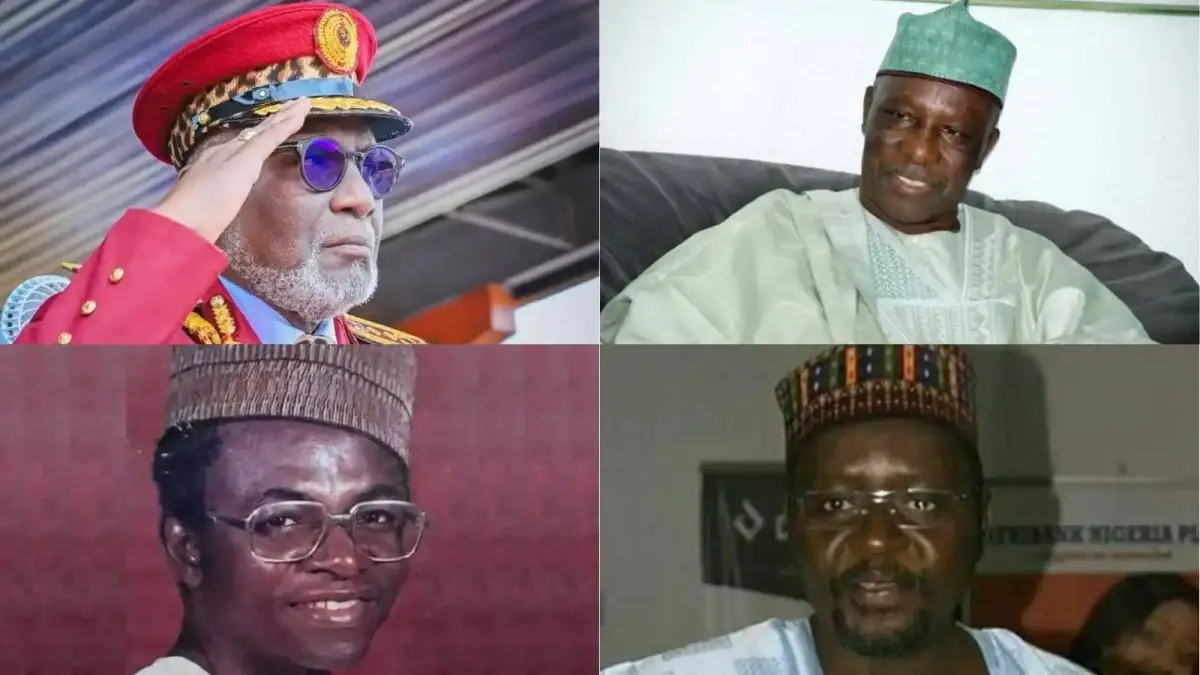
- Not all Nigerian governors lived to complete their tenure. From Rotimi Akeredolu to Patrick Yakowa, here are governors who died in office and their lasting contributions to their states.

Death remains a constant reminder that public office offers no immunity from life’s uncertainties. In Nigeria’s political history, while some governors have gone on to become ministers, senators, or even president, others were not fortunate enough to complete their time in office.
Nigeria has witnessed cases where sitting governors passed away while still serving, leaving behind unfinished mandates, emotional transitions, and legacies that continue to shape their states. This article takes a closer look at some Nigerian governors who died in office and the impact they made during their time in leadership.
1. Oluwarotimi Akeredolu (Ondo State)
Oluwarotimi Odunayo Akeredolu, SAN, CON, was a prominent lawyer and politician who served as Governor of Ondo State. Born on 21 July 1956 in Owo, Ondo State, Akeredolu rose from a distinguished legal career to become one of the most influential political figures in the South-West.
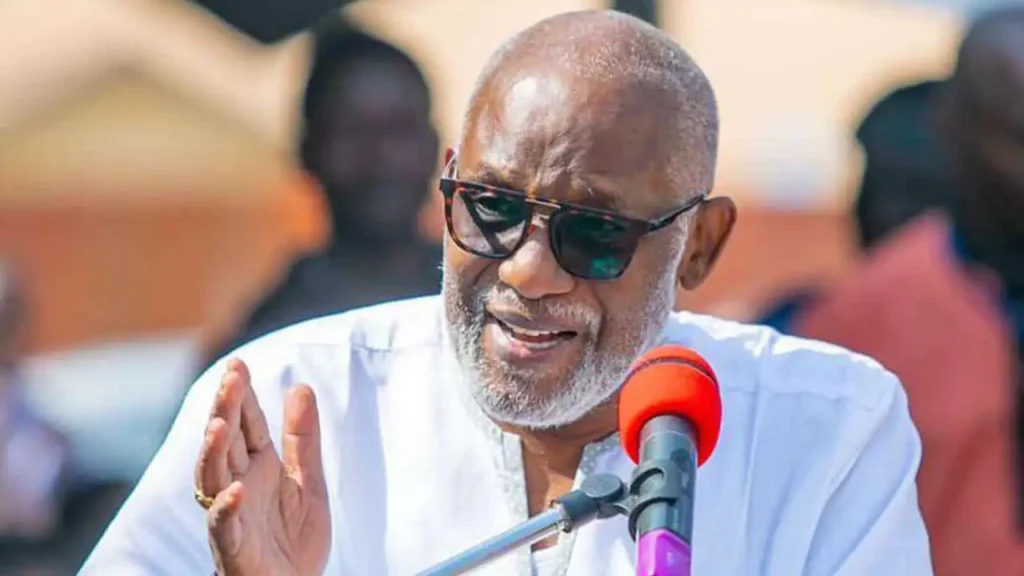
Before entering politics, he co-founded the law firm Olujinmi & Akeredolu and was appointed Senior Advocate of Nigeria in 1998. He later served as President of the Nigerian Bar Association between 2008 and 2010, where he championed judicial reforms and the rule of law.
Elected governor in 2016 and re-elected in 2020, Akeredolu’s administration focused on security, infrastructure, and economic development. He played a key role in the establishment of the Amotekun regional security outfit aimed at tackling insecurity in the South-West.
Fondly known as “Aketi,” he died in 2023 after a prolonged battle with leukaemia and prostate cancer. He is remembered for his courage, integrity, and firm stance on security matters.
2. Patrick Yakowa (Kaduna State)
Patrick Ibrahim Yakowa was a seasoned civil servant and politician who served as Governor of Kaduna State. Born on 1 December 1948 in Fadan Kagoma, Southern Kaduna, Yakowa rose through the civil service to become Permanent Secretary and later Deputy Governor.
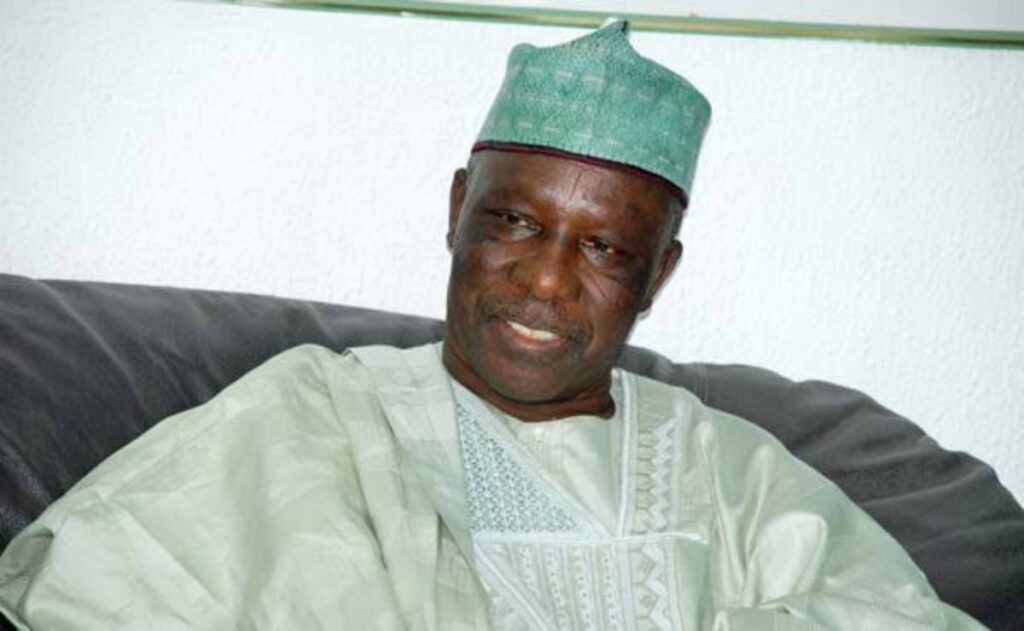
In 2010, he became the first Christian and the first Southern Kaduna indigene to serve as governor. He won a full term in 2011, promoting unity and calm leadership in a state often challenged by ethnic and religious tensions.
His tenure was tragically cut short on 15 December 2012 when he died in a Nigerian Navy helicopter crash in Bayelsa State alongside former National Security Adviser, General Andrew Azazi, and four others. They were returning from a funeral in Nembe.
Yakowa is widely remembered for his peace-building efforts and inclusive leadership style.

3. Mamman Bello Ali (Yobe State)
Mamman Bello Ali was a retired Nigerian Army colonel and politician who served as Governor of Yobe State from 2007 until his death in 2009. Born in 1958, he entered politics after retiring from military service and was elected on the platform of the All Nigeria Peoples Party (ANPP).
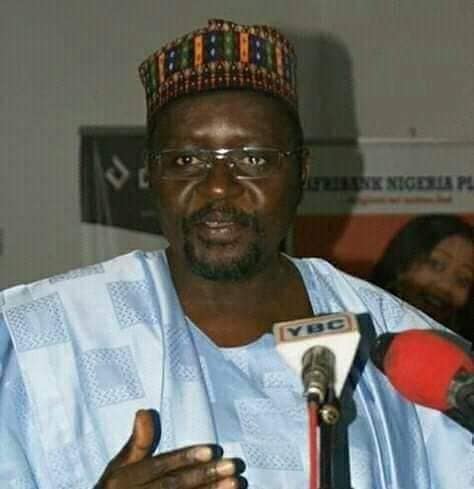
His administration focused on security and public administration, though much of his tenure was affected by prolonged illness. Despite health challenges, he remained committed to governance until his death.
DON’T MISSS: Tinubu Will Lose 2027 Election, He Never Won In 2023, Says Abaribe
Ali died on 4 January 2009 in the United States while still in office. He was succeeded by his deputy, Ibrahim Gaidam, and is remembered for his resilience and dedication to public service.
4. Shehu Kangiwa (Sokoto State)
Shehu Kangiwa was the first elected civilian governor of Sokoto State during Nigeria’s Second Republic, serving from 1979 under the National Party of Nigeria (NPN).
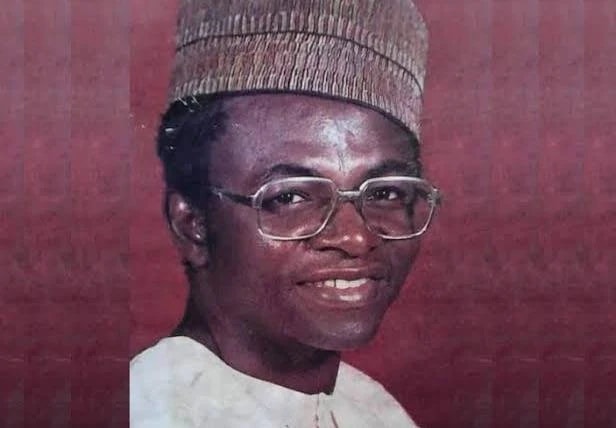
His tenure ended abruptly when he died in office after a fatal polo accident in 1981 while playing in a tournament in Kaduna. He left behind nine children.
During his time as governor, Kangiwa focused on economic development and hospitality. He established the Giginya Hotel and several state-owned industries, including the Sokoto Rice Mill, Foam Factory, Ceramic Factory, Tannery, and Modern Bakeries.
In his honour, the Shehu Kangiwa Cup was later introduced, and his name remains significant in Sokoto’s political history.






Champions League Quarter-Finals Confirmed, See Fixtures
The UEFA Champions League quarter-final lineup is set, with blockbuster clashes including PSG vs Liverpool and Real Madrid vs Bayern...

‘We Miss Aregbesola’: Nigerian Youths Slam Tunji-Ojo Over Public Holiday Declaration (Video)
Nigerian youths have criticised Interior Minister Olubunmi Tunji-Ojo over the choice of Thursday and Friday as Eid-el-Fitr holidays.

Israel Kills of Iran’s Intelligence Minister Esmail Khatib
Israel says it has killed Iran’s Intelligence Minister Esmail Khatib, though Iranian authorities have yet to confirm the claim amid...


Rival Fans Hold Mock Candlelight Procession for Chelsea After 8–2 Loss to PSG in Champions League (Video)
A viral video shows rival fans staging a mock candlelight procession for Chelsea after their 8–2 aggregate loss to Paris...


74-Year-Old Woman Gifts Governor Soludo Live Fowl at Inauguration (Video)
A 74-year-old woman drew attention at Governor Chukwuma Soludo’s inauguration in Awka after presenting a live fowl in appreciation of...

‘This War Will Hit Everyone No Matter Race, Religion’ – Iran Warns
Iran’s Foreign Minister Abbas Araghchi has warned that the ongoing war will impact people worldwide, urging more international voices to...


Court Declares It Legal to Record Police Officers on Duty
A Federal High Court in Warri has affirmed the right of Nigerians to record police officers in public.

BREAKING: FG Declares Two-Day Public Holiday
The Federal Government has announced two-day public holiday.

IPOB Accuses Nigerian Govt, Army of Plot to Demonise Group and Justify Attacks in South-East
The Indigenous People of Biafra has accused the Nigerian government and the military of fabricating insecurity in the South-East.

List of Approved 114 Universities to Run Law Programmes in Nigeria (Full List)
The Council of Legal Education has released the list of 114 universities authorised to run Bachelor of Laws (LL.B) programmes...