
Politics
How Tinubu Forced IGP Egbetokun to Resign, Picks Disu for 2027 Election Boost, Others Retire
Fresh details have emerged on how President Tinubu compelled former IGP Kayode Egbetokun to step down.

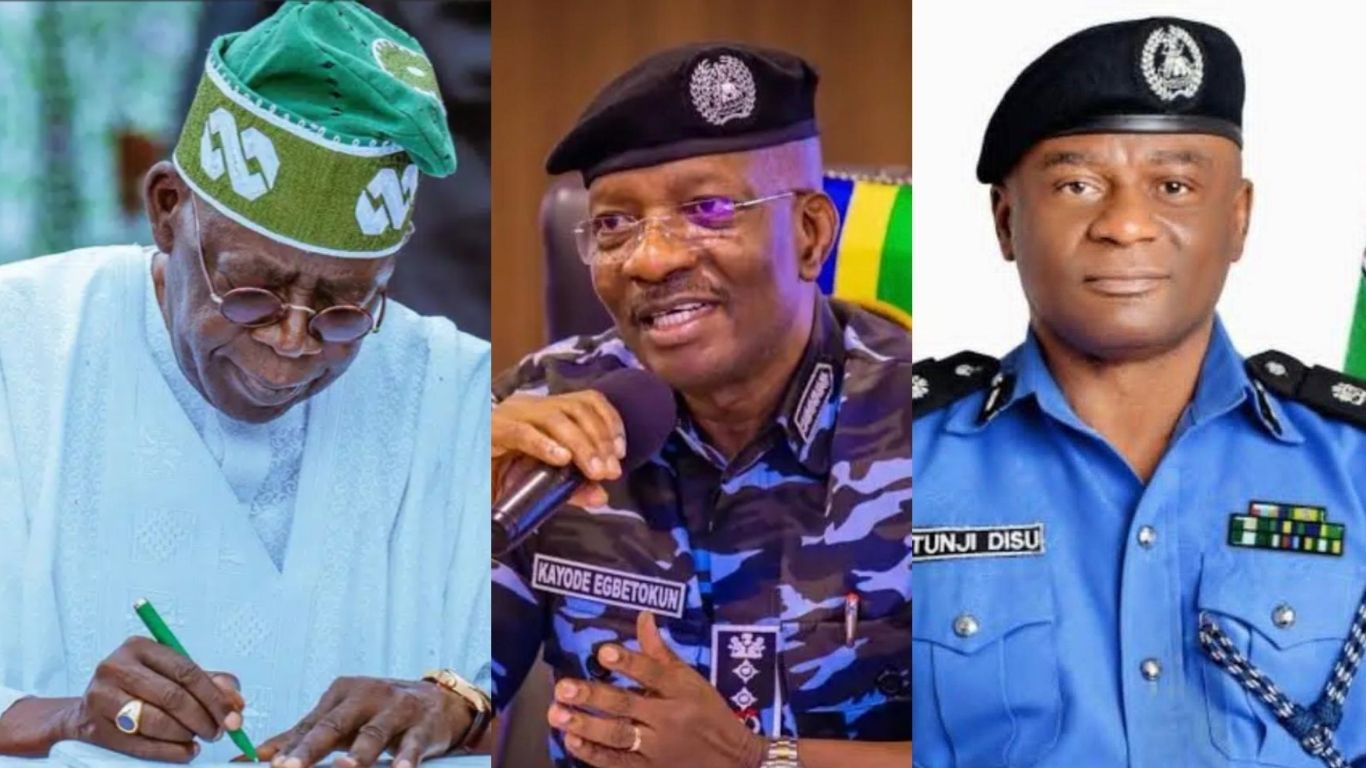
- Fresh details have emerged on how President Tinubu compelled former IGP Kayode Egbetokun to step down, paving the way for Tunji Disu’s appointment amid expectations of major shake-ups within the police hierarchy ahead of 2027.

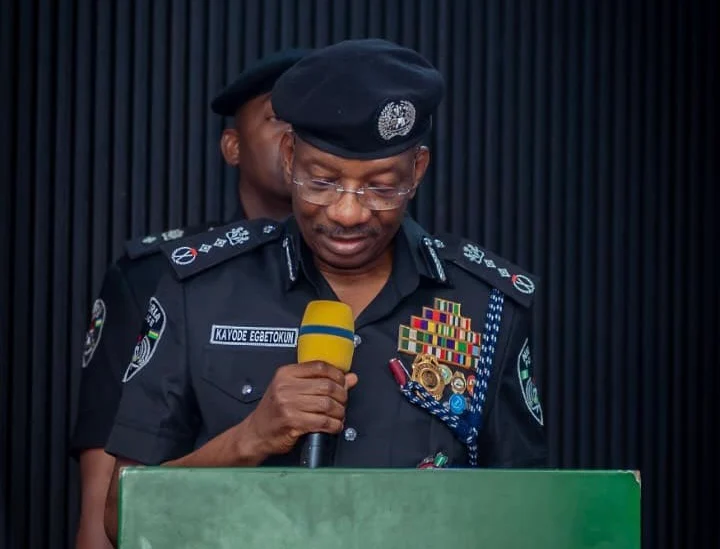
Fresh details have emerged on how President Bola Ahmed Tinubu reportedly forced the resignation of former Inspector-General of Police, Kayode Egbetokun, in a move that has reshaped the leadership of the Nigeria Police Force ahead of the 2027 general elections.
Egbetokun resigned on Tuesday, officially citing family issues requiring his undivided attention, according to the President’s Special Adviser on Information and Strategy, Bayo Onanuga.
However, multiple Presidency sources disclosed that the former police boss was asked to step down during a closed-door meeting with Tinubu at the Presidential Villa, Abuja, on Monday evening.
“It was in that meeting he was asked to go,” a senior official revealed.
Shortly after accepting his resignation, the President approved the appointment of Tunji Disu as acting Inspector-General of Police with immediate effect.
Disu, who was elevated to the rank of Assistant Inspector-General in 2025, is expected to steer the Force through a critical period marked by rising insecurity and political realignments ahead of the 2027 elections.
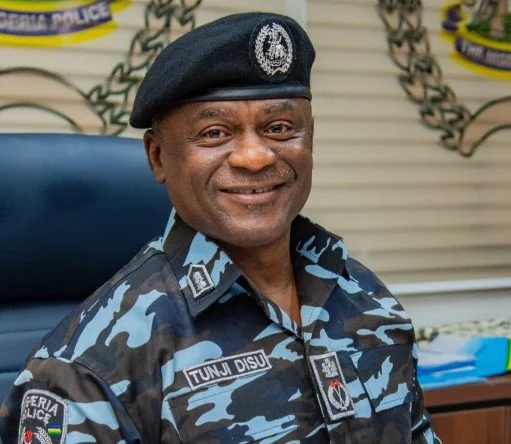
A State House statement noted that his appointment was based on his experience, operational capacity, and leadership record, expressing confidence in his ability to provide direction for the police.
Egbetokun’s tenure had been surrounded by controversy, particularly after he reached the statutory retirement age of 60 in September 2024 but remained in office following amendments to the Police Act.
His exit now signals a major shift within the Force, with insiders indicating that between 15 and 20 senior officers—particularly those senior to Disu—may be forced to retire in line with longstanding police tradition.
Sources within the police hierarchy explained that such transitions often trigger a chain reaction, with Deputy Inspectors-General and senior Assistant Inspectors-General stepping aside to allow the new leadership to form its management team.
DON’T MISS: IPOB Hails Georgia As Nnamdi Kanu Bags Prestigious Honorary Citizen Award In U.S
Before his appointment, Disu served in several strategic roles, including Commissioner of Police in the Federal Capital Territory and Rivers State, as well as head of key operational units within the Force.
Security experts and retired officers have described the leadership change as a routine but strategic decision aimed at injecting fresh ideas into the system amid worsening security challenges across the country.
The development is also expected to create promotion opportunities for several officers, as vacancies emerge from the anticipated wave of retirements within the upper ranks of the Force.






Edo Govt Finally Reveals Identities Of Hoodlums That Attacked Peter Obi
The Edo State Government has blamed internal disputes within the ADC for the recent attack on Peter Obi in Benin.

How Tinubu Forced IGP Egbetokun to Resign, Picks Disu for 2027 Election Boost, Others Retire
Fresh details have emerged on how President Tinubu compelled former IGP Kayode Egbetokun to step down.


IPOB Hails Georgia As Nnamdi Kanu Bags Prestigious Honorary Citizen Award In U.S
IPOB has expressed appreciation to officials in Georgia, United States, following the conferment of an honorary citizenship award on its...


BREAKING: Peter Obi Escapes Assassination as Thugs Shoot at Obidient Movement Members in Edo
The Obidient Movement has raised concerns after alleged armed thugs attacked Peter Obi and party leaders in Benin, Edo State,...

Why Egbetokun Resigns as IGP – Presidency Reveals Meeting Details
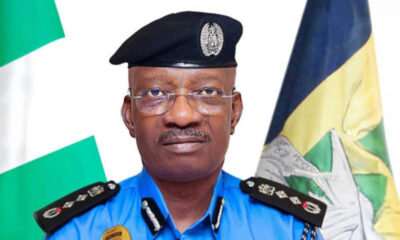
The Presidency has confirmed the resignation of Inspector-General of Police Kayode Egbetokun.


BREAKING: Presidency Breaks Silence on ₦2bn Ransom Payment to Boko Haram for Niger Schoolchildren Release
The Federal Government has dismissed reports alleging it paid a huge ransom and released militant commanders to secure the freedom...


BREAKING: CBN Cuts Interest Rate to 26.5% in Latest Policy Move
The Central Bank of Nigeria has reduced the Monetary Policy Rate by 50 basis points to 26.5%.

BREAKING: President Tinubu Sacks IGP Kayode Egbetokun, Names Successor
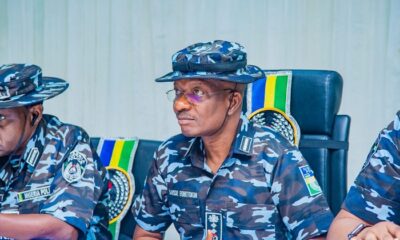
President Bola Tinubu has reportedly removed Inspector-General of Police (IGP) Kayode Egbetokun, with AIG Tunji Disu set to take over,...

[JUST IN]: US-Based Igbo Groups Hail Enugu Monarch For Confronting Tinubu, Demand Kanu’s Release (Full Details)
US-based Igbo advocacy groups have praised an Enugu monarch for openly confronting President Bola Tinubu.


Lagos Begins 5% Withholding Tax on Gaming Winnings
The Lagos State Government has commenced a 5% withholding tax deduction on gaming winnings.