
Politics
‘5 Key Things I Will Do to End Insecurity in Nigeria’ – Defence Minister Christopher Musa
Minister of Defence, Gen. Christopher Musa, has outlined a bold plan to tackle insecurity in Nigeria.

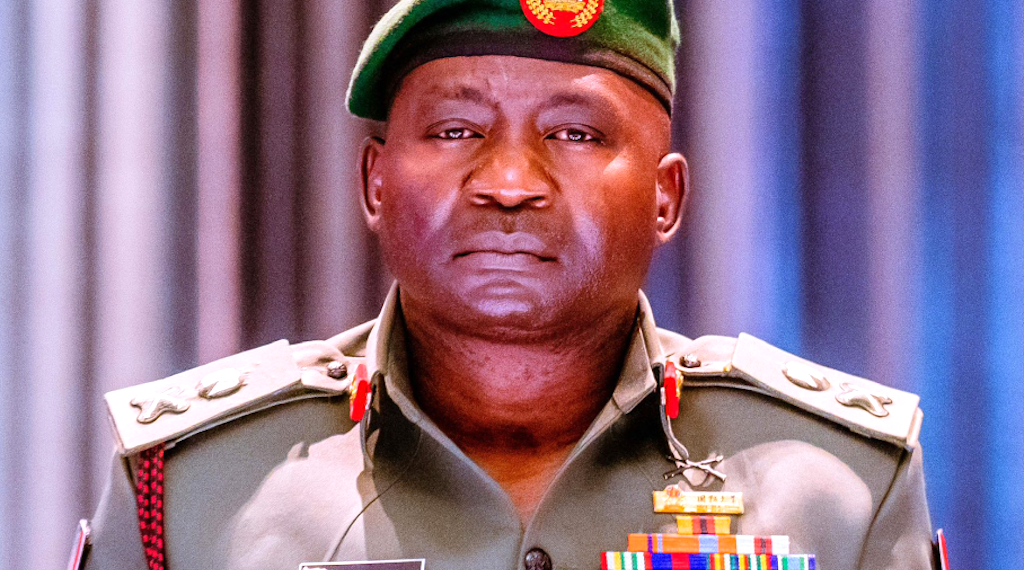
- Minister of Defence, Gen. Christopher Musa, has outlined a bold plan to tackle insecurity in Nigeria.
- During his Senate screening, he vowed no negotiations with terrorists, called for a unified national database, stronger laws, targeted military operations, and technology-driven reforms to restore peace and stability across the country.

During his screening as Nigeria’s Minister of Defence, Gen. Christopher Musa outlined concrete steps he intends to take to end insecurity in the country. His plans focus on intelligence-driven operations, legal reforms, and structural improvements in governance and security systems.
No Negotiations, No Ransom
Gen. Musa stressed that the government will not negotiate or pay ransom to terrorists, warning that such actions only strengthen criminal networks. “Communities that negotiated still got attacked later,” he said, emphasizing that ransom payments fuel regrouping and rearming by criminals. He added that digital monitoring of financial flows could help trace and block funds linked to terrorism.
Military Operations Alone Are Not Enough
The retired general noted that kinetic military operations account for only 25–30% of counter-insurgency efforts. He urged state and local governments to strengthen community-level intelligence and early interventions, highlighting the need for collaboration between security agencies and local authorities.
Legal Reforms and Terrorism Courts
Musa criticized the slow judicial process for terrorism and kidnapping cases, noting that prolonged trials demoralize security forces. He recommended establishing special terrorism courts, implementing stronger penalties, and accelerating hearings to ensure justice is swift and effective.
Addressing Maritime Crime, Illegal Mining, and Cultism
Highlighting emerging threats, Musa warned of piracy, coastal kidnappings, and illegal mining as key financing streams for criminals. He confirmed that Operation Delta Safe has been expanded to cover newly affected zones and called for stricter enforcement against illegal mining across the country.
Focused Military Deployment
Plans are underway to reduce routine checkpoints and free troops for targeted operations in forests and ungoverned areas. Musa emphasized that protecting farmers and securing farmlands is essential for national stability, noting, “A hungry man is an angry man. Protecting farmers means protecting the nation.”
Unified National Database and Recruitment Oversight
Musa highlighted the urgent need for a unified national database linking citizens, banking, and identity systems. This, he said, would help verify recruits, track criminals, and prevent repeat offenses. He described Nigeria’s fragmented data systems as a major barrier to effective law enforcement.

House of Representatives Supports Transparent Prosecution
Coinciding with Musa’s screening, the House of Representatives pushed for open and transparent trials for terrorism-related cases. Lawmakers also recommended broader national security reforms, including fiscal reforms, intelligence upgrades, and stronger regional and international collaborations.
DON’T MISS: US Imposes Visa Ban on Nigerians Linked to Anti-Christian Killings
Senate Backs Tougher Anti-Kidnapping Laws
Meanwhile, the Senate moved to impose the death penalty for kidnappers, their financiers, and informants, classifying kidnapping as terrorism. The amendments, supported across party lines, aim to give security agencies greater powers to track, disrupt, and prosecute criminal networks effectively.
A Vision for Peace and Stability
Gen. Musa concluded by affirming his commitment to restoring security, saying, “I cannot afford to fail my nation or my family. Nigerians want peace, and we must deliver it.” His approach combines legal, military, technological, and governance strategies to confront Nigeria’s complex security challenges and ensure long-term stability.





BREAKING: US Orders Non-Emergency Staff to Leave Bahrain, Jordan, Iraq
The United States has ordered the withdrawal of non-emergency personnel from Bahrain, Jordan, and Iraq.

FG Approves N4bn Each for 12 Universities to Upgrade Engineering Workshops (Full List)
The Federal Government has approved N4 billion for each of 12 universities to rehabilitate engineering workshops and procure modern equipment.


King Mitchy Management Retracts Death Claim After Suicide Attempt Using Hypo
King Mitchy’s management has given fresh update on her death report after attempting to commit suicide by drinking hypo...


Is VeryDarkMan and King Mitchy Dead After Drinking Hypo? What We Know So Far (Video)
Confusion surrounds reports involving VeryDarkMan and King Mitchy death rumor after attempts to commit suicide by drinking hypo...


PHOTOS: All You Need to Know as Alex Otti Flags Off Enyimba-Radisson Hotel Project in Aba
Governor Alex Otti has commissioned the reconstructed Ovom Road and flagged off the Enyimba-Radisson Hotel in Aba.

IPOB Raises Alarm Over Sharia Debate, Says Nigeria’s Structure Threatens Religious Freedom
IPOB has warned that ongoing debates over Sharia law highlight deeper structural issues in Nigeria...


Businesswoman Who Accused Umahi of ₦250m Debt Collapses After Arrest, Hospitalised in Abuja (Video)
Businesswoman Tracy Nicolas Ohiri collapsed and was hospitalised in Abuja after her arrest over cyberbullying allegations linked to a ₦250...

Bandits Kill 29, Abduct Many in Fresh Attacks
Coordinated attacks across Adamawa, Kebbi, Sokoto, and Kwara states have left dozens dead and many abducted.

INEC Shifts 2027 Elections, Releases Full Revised Timetable
INEC has brought forward Nigeria’s 2027 general elections to January and February, releasing a detailed timetable after adjusting the schedule...


BREAKING: Court Jails Popular Herbalist Akwa Okuku Tiwaraki na Oba, Orders Shrine Demolition
A court has sentenced popular herbalist Akwa Okuku Tiwaraki na Oba to 11 months imprisonment, ordered the demolition of his...