
News
Nigerians Groan as Air Peace, United Nigeria Airlines, Others Triples Airfares for Local Flights
Domestic airfares for key South-East and South-South routes have surged by about 150%, crossing ₦300,000 ahead of the Christmas travel rush…

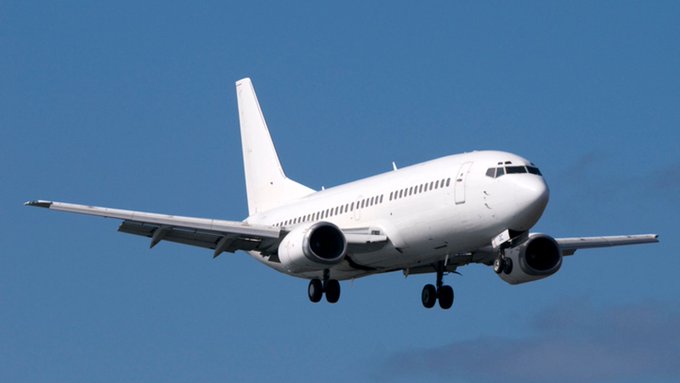
- Domestic airfares for key South-East and South-South routes have surged by about 150%, crossing ₦300,000 ahead of the Christmas travel rush, as demand spikes and airlines struggle with aircraft shortages and operational disruptions.

The cost of domestic air travel has risen sharply ahead of the Christmas season, with ticket prices on some routes soaring above ₦300,000, representing an increase of roughly 150%. This steep rise, driven by high passenger demand and limited aircraft availability, has left many travellers frustrated during the high-volume Yuletide period.
Findings by The VerseNews indicate that the sharpest increases were recorded on South-South and South-East routes, which traditionally experience the highest festive-season traffic. Before the rush, tickets averaged around ₦120,000 on most domestic routes, but airlines have now adjusted prices upward in response to overwhelming demand.
A review of ticket prices on Tuesday showed that a Lagos–Asaba one-way economy seat on Air Peace now costs over ₦300,000, with fares between December 24–29 pegged at ₦337,500. From Abuja, the airline charges ₦335,500 for flights to Asaba during the December 23–28 window, with rates expected to ease slightly to around ₦240,000 toward the end of the month.
Other carriers have followed suit. Aero Contractors is offering ₦238,452 for Lagos–Asaba on December 24, while United Nigeria Airlines is charging ₦399,999 for the same route, with Abuja–Asaba fares ranging between ₦335,499 and ₦360,499.
On the Lagos–Enugu route, Air Peace listed fares between ₦335,500 and ₦430,700 from December 28–29. Lagos–Calabar flights on Aero Contractors range from ₦151,786 to ₦187,976, while United Nigeria’s Lagos–Benin ticket is priced at ₦335,499, increasing by ₦10,000 on December 31.
Despite many of these flights lasting less than an hour, passengers say the prices are now beyond reach. Some holiday travellers are considering going by road, even amid ongoing security concerns in several parts of the country.
Why the Fares Are Rising
Operators say the spike is primarily due to increased demand, insufficient aircraft, and multiple taxes affecting the industry. Many Nigerian carriers currently operate with significantly reduced fleets, as numerous aircraft are overseas for mandatory maintenance.
Aero Contractors’ Chief Financial Officer, Charles Grant, noted that Nigerian airlines are collectively operating just 38 serviceable aircraft. He attributed the shortage to harsh operating conditions and urged the government to reinvest aviation-generated revenue into the sector.

Air Peace Lessor Controversy
The situation worsened recently when SmartLynx Airlines, a European lessor, abruptly withdrew four wet-leased aircraft from Air Peace, triggering widespread delays and cancellations.
DON’T MISS: BREAKING: IPI Blacklists IGP Egbetokun, Two Governors
Air Peace’s Chief Commercial Officer, Nowel Ngala, described the withdrawal as “abrupt and unjustified,” noting that it violated the lease agreement. He said the airline had entered the wet-lease arrangement because 13 of its own aircraft were undergoing scheduled maintenance abroad.
Ngala, however, assured passengers that some of the airline’s aircraft have completed maintenance and are returning to service.
Expert Insights
Industry experts believe the fare hike is seasonal but compounded by capacity gaps.
Dr. Alex Nwuba, President of the Aircraft Owners and Pilots Association of Nigeria, confirmed that airlines are operating below capacity but working to stabilise operations. He noted that two additional airlines are expected to begin flights soon, which could ease pressure on fares.
Former Director-General of the Nigeria Civil Aviation Authority, Harold Demuren, urged the Federal Government to support local airlines, including renegotiating unfavourable Bilateral Air Service Agreements.
Aviation analyst Olumide Ohunayo stressed that the season’s heavy traffic requires airlines to prioritise both customer care and staff welfare to ensure smooth operations.





BREAKING: US Orders Non-Emergency Staff to Leave Bahrain, Jordan, Iraq
The United States has ordered the withdrawal of non-emergency personnel from Bahrain, Jordan, and Iraq.


FG Approves N4bn Each for 12 Universities to Upgrade Engineering Workshops (Full List)
The Federal Government has approved N4 billion for each of 12 universities to rehabilitate engineering workshops and procure modern equipment.


King Mitchy Management Retracts Death Claim After Suicide Attempt Using Hypo
King Mitchy’s management has given fresh update on her death report after attempting to commit suicide by drinking hypo...


Is VeryDarkMan and King Mitchy Dead After Drinking Hypo? What We Know So Far (Video)
Confusion surrounds reports involving VeryDarkMan and King Mitchy death rumor after attempts to commit suicide by drinking hypo...


PHOTOS: All You Need to Know as Alex Otti Flags Off Enyimba-Radisson Hotel Project in Aba
Governor Alex Otti has commissioned the reconstructed Ovom Road and flagged off the Enyimba-Radisson Hotel in Aba.


IPOB Raises Alarm Over Sharia Debate, Says Nigeria’s Structure Threatens Religious Freedom
IPOB has warned that ongoing debates over Sharia law highlight deeper structural issues in Nigeria...


Businesswoman Who Accused Umahi of ₦250m Debt Collapses After Arrest, Hospitalised in Abuja (Video)
Businesswoman Tracy Nicolas Ohiri collapsed and was hospitalised in Abuja after her arrest over cyberbullying allegations linked to a ₦250...

Bandits Kill 29, Abduct Many in Fresh Attacks
Coordinated attacks across Adamawa, Kebbi, Sokoto, and Kwara states have left dozens dead and many abducted.

INEC Shifts 2027 Elections, Releases Full Revised Timetable
INEC has brought forward Nigeria’s 2027 general elections to January and February, releasing a detailed timetable after adjusting the schedule...


BREAKING: Court Jails Popular Herbalist Akwa Okuku Tiwaraki na Oba, Orders Shrine Demolition
A court has sentenced popular herbalist Akwa Okuku Tiwaraki na Oba to 11 months imprisonment, ordered the demolition of his...