
News
Nigeria’s Economic Reforms Are Irreversible – Tinubu Tells World Bank
President Bola Tinubu has said Nigeria’s economic reforms are irreversible, as the World Bank commended the country’s consistency…

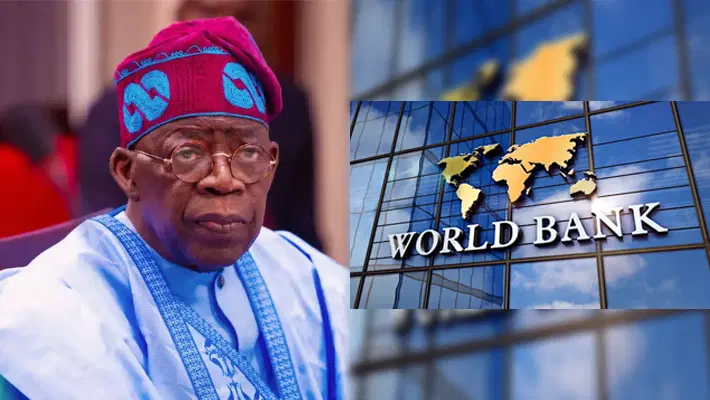
- President Bola Tinubu has said Nigeria’s economic reforms are irreversible, as the World Bank commended the country’s consistency and pledged continued financial and technical support.

President Bola Ahmed Tinubu has declared that Nigeria’s ongoing economic reform programme is irreversible, insisting that his administration will not backtrack despite the early challenges associated with the policies.
The president made the remarks on Tuesday in Abuja while receiving a delegation from the World Bank at the State House, accompanied by Vice-President Kashim Shettima. The delegation was led by Anna Bjerde, Managing Director of Operations at the World Bank.
According to Tinubu, the reforms, though initially painful, are necessary to place the country on a sustainable path of growth. He said the government remains committed to seeing the process through, noting that abandoning reforms during difficult periods often leads to failure.
The president identified agriculture as a major pillar of his administration’s agenda, citing Nigeria’s vast arable land and youthful population. He said efforts were underway to promote agricultural mechanisation through specialised centres that would provide farmers with equipment and quality seeds to boost productivity.
Tinubu told the World Bank delegation that the reform measures were already producing positive outcomes, pointing to easing inflationary pressures and improved stability of the naira. He called on the World Bank to deepen its partnership with Nigeria, particularly through innovative financing arrangements aimed at accelerating economic growth.
DON’T MISS: BREAKING: Lagos Bans Installation of Eze Ndigbo, Seriki, Threatens Arrest and Prosecution
Responding, Bjerde said Nigeria had become a reference point in global discussions on reform implementation, noting that the country’s progress over the past two years had attracted attention from policymakers and investors worldwide. She praised the administration for maintaining consistency despite political and social pressures.
Bjerde disclosed that the World Bank is providing about $17 billion in public-sector support to Nigeria, in addition to $5 billion annually through the International Finance Corporation, alongside guarantees designed to stimulate private investment and job creation. She added that the bank’s engagement is focused on infrastructure, agriculture, small and medium-sized enterprises, and human capital development.





IPOB Praises US Lawmakers, Calls for Referendum as Nigeria Faces ‘Impending Crisis’
The Indigenous People of Biafra says recent remarks by US figures have exposed growing concerns about Nigeria’s security situation.

Aproko Doctor Warns Against ‘Live Snail’ Skincare Trend, Cites Infection Risks (Video)
Health influencer Aproko Doctor has cautioned Nigerians against using live snails on their faces, warning of serious health risks including...

ICPC Fixes Date to Arraign El-Rufai Over Alleged Corruption, Money Laundering
The ICPC has announced plans to arraign former Kaduna Governor Nasir El-Rufai in court over multiple corruption-related charges following weeks...

Apply Now: FG Opens Fully Funded Overseas Scholarship for Nigerians (2026/2027)
The Federal Government, through the NDDC, has launched applications for its fully funded foreign postgraduate scholarship, targeting young Nigerians from...


OnlyFans Owner Leo Radvinsky Dies at 43, Cause of Death Emerges
Billionaire tech entrepreneur Leo Radvinsky, owner of OnlyFans, has died at 43, leaving behind a multibillion-dollar digital empire built on...
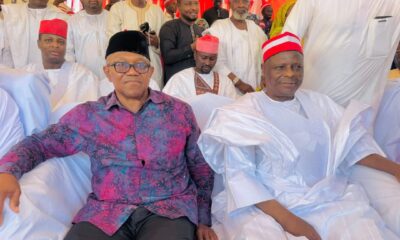

Kwankwaso, Obi, Dickson meeting Surprises APC as Details Emerge
The Kano APC has expressed surprise after Rabiu Kwankwaso hosted Peter Obi, Seyi Makinde, and Seriake Dickson in Kano.


Nike Unveils New Super Eagles Home, Away Jerseys for 2026 Season (Photos)
Nike has launched Nigeria’s new Super Eagles home and away jerseys, combining striking designs with performance technology despite the team’s...
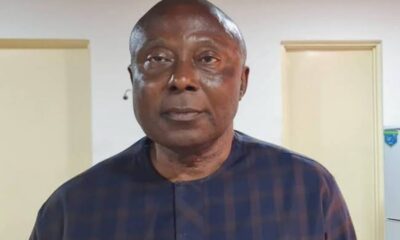

BREAKING: Court Jails Ex-Acting Accountant-General for 72 Years Over N868m Fraud
A former Acting Accountant-General of the Federation, Chukwunyere Anamekwe Nwabuoku, has been sentenced to 72 years.
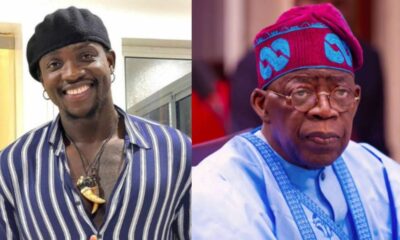

Tinubu Planning Third Term, VeryDarkMan Alleges APC Agenda for 2027 Election (Video)
VeryDarkMan alleges mass defections to APC may give President Tinubu a decisive edge ahead of 2027 elections.


Champions League Quarter-Finals Confirmed, See Fixtures
The UEFA Champions League quarter-final lineup is set, with blockbuster clashes including PSG vs Liverpool and Real Madrid vs Bayern...