
News
Step-by-Step Guide: How to Apply for Federal Government Loans in Nigeria in 2026
This 2026 guide explains official FG loan programs, eligibility requirements, and step-by-step instructions on how to apply successfully.

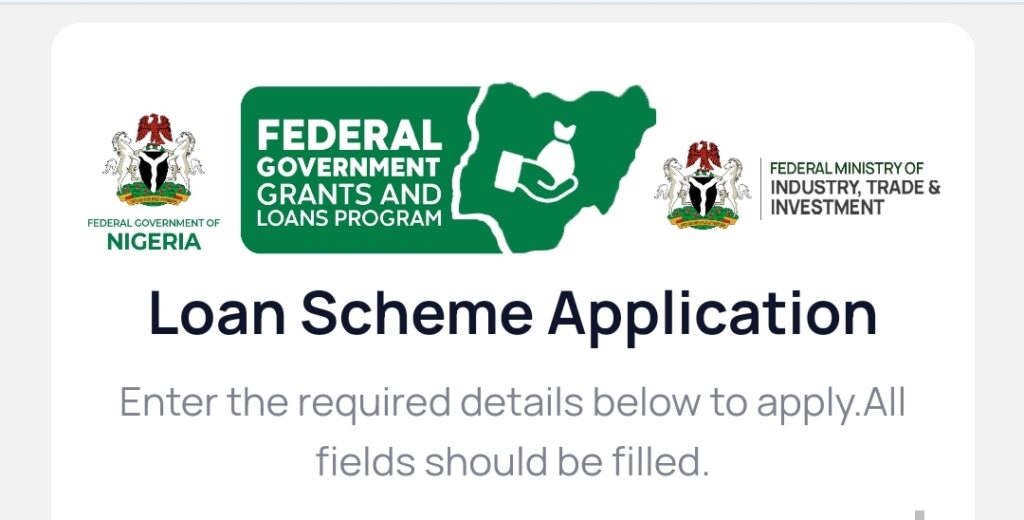
This 2026 guide explains official FG loan programs, eligibility requirements, and step-by-step instructions on how to apply successfully.
Federal Government loans in Nigeria provide low-interest funding for businesses, startups, and individuals.

How to Apply for Federal Government Loans in Nigeria (2026 Guide)
Access to affordable funding remains one of the biggest challenges facing entrepreneurs, small business owners, farmers, and young professionals in Nigeria. To address this, the Federal Government of Nigeria (FGN), through its agencies and partner institutions, continues to roll out intervention loans aimed at boosting economic growth, job creation, and financial inclusion.
This 2026 guide provides a clear, updated, and practical explanation of how to apply for Federal Government loans in Nigeria, the major loan programs available, eligibility requirements, application steps, and tips to increase your chances of approval.
What Are Federal Government Loans in Nigeria?
Federal Government loans are low-interest or single-digit interest funding programs backed by the Nigerian government. They are usually disbursed through institutions such as the Bank of Industry (BOI), NIRSAL Microfinance Bank, and other government-supported financial bodies.
These loans are designed to support:
- Micro, Small and Medium Enterprises (MSMEs)
- Startups and existing businesses
- Youth-led ventures
- Agricultural projects
- Manufacturing and service-based businesses
Unlike commercial bank loans, government loans often have longer repayment periods, lower interest rates, and flexible conditions.
Major Federal Government Loan Programs in Nigeria (2026)
1. Bank of Industry (BOI) Loans
The Bank of Industry (BOI) is Nigeria’s leading development finance institution. It provides funding to MSMEs, startups, and large enterprises across multiple sectors.
Key Features:
- Interest rates as low as single-digit percentages
- Long repayment tenures
- Sector-specific funding options
- Focus on job creation and local production
Who Can Apply?
- Registered businesses (CAC registration required)
- Sole proprietors, partnerships, and limited liability companies
- Businesses with a viable business plan and repayment capacity
2. NIRSAL Microfinance Bank (NMFB) Loans
NIRSAL Microfinance Bank plays a major role in delivering government intervention funds, especially for small businesses and individuals.
Popular NIRSAL Loan Programs include:
- AGSMEIS (Agribusiness/Small and Medium Enterprise Investment Scheme)
- Nigeria Youth Investment Fund (NYIF)
- Micro and SME Loans
Key Benefits:
- Lower interest rates compared to commercial banks
- Digital application process
- Focus on youth, women, and small business owners
3. Nigeria Youth Investment Fund (NYIF)
The Nigeria Youth Investment Fund (NYIF) is a Federal Government initiative targeted at young Nigerians with viable business ideas.
Loan Range:
- From ₦250,000 up to several million naira depending on the business category
Eligibility:
- Nigerian citizens within the approved age bracket
- Registered or registerable business
- Business plan and valid identification
4. Agricultural and Special Intervention Loans
The Federal Government also supports agriculture and strategic sectors through special funding programs, often in collaboration with the Central Bank of Nigeria (CBN) and NIRSAL.
These loans target:
- Crop and livestock farming
- Agro-processing
- Value-chain development
- Export-oriented businesses
Step-by-Step Guide: How to Apply for FG Loans in Nigeria
Step 1: Identify the Right Loan Program
Not all government loans are the same. Choose a loan that aligns with:
- Your business type
- Funding amount needed
- Sector (agriculture, services, manufacturing, tech, etc.)
Applying for the wrong program reduces your chances of approval.
Step 2: Register Your Business
Most Federal Government loans require:
- CAC registration
- In some cases, SMEDAN registration
A properly registered business increases credibility and eligibility.
Step 3: Prepare a Strong Business Plan
A business plan is one of the most important requirements.
Your plan should clearly state:
- Business idea and objectives
- Market analysis
- Revenue model
- Cost structure
- Repayment strategy
- Job creation potential
Poorly prepared business plans are a major reason for loan rejection.
DON’T MISS: FG Opens Applications for 2026 PTDF Overseas Scholarships for UK, Germany, France, Malaysia – Apply
Step 4: Gather Required Documents
While requirements vary by program, common documents include:
- Valid means of identification
- BVN (Bank Verification Number)
- CAC certificate
- Business plan
- Bank statements
- Utility bill or proof of address
Ensure all documents are accurate and up-to-date.
Step 5: Submit Your Application
Applications are usually submitted:
- Online via official portals
- Through designated financial institutions
- At BOI or NIRSAL offices when applicable
Always apply only through official government platforms to avoid scams.
Step 6: Screening and Verification
After submission:
- Your application is reviewed
- Background checks may be conducted
- Some applicants may be invited for interviews or business assessments
- Physical verification of business location may occur
Step 7: Loan Approval and Disbursement
If approved:
- You receive an offer letter
- Loan terms are explained
- Funds are disbursed into your business account
- Repayment begins after the agreed moratorium (if applicable)
Common Reasons FG Loan Applications Are Rejected
- Incomplete or false information
- Weak or unrealistic business plan
- Poor financial records
- Applying for an unsuitable loan program
- Lack of repayment capacity
- Unregistered business
Avoiding these mistakes significantly improves your approval chances.
Tips to Increase Your Chances of Getting Approved
- Apply early and follow instructions strictly
- Keep clean and consistent bank transaction records
- Be realistic with the amount requested
- Show clear revenue and repayment ability
- Avoid middlemen or “agents” promising guaranteed approval
Government loans are not grants — repayment discipline matters.

Federal Government loans in Nigeria remain one of the most reliable sources of affordable business funding in 2026. With the right preparation, proper documentation, and a strong business plan, entrepreneurs and small business owners can access capital to grow, expand, and create jobs.
Understanding the process, choosing the right loan program, and applying through official channels are the keys to success.




BREAKING: US Orders Non-Emergency Staff to Leave Bahrain, Jordan, Iraq
The United States has ordered the withdrawal of non-emergency personnel from Bahrain, Jordan, and Iraq.


FG Approves N4bn Each for 12 Universities to Upgrade Engineering Workshops (Full List)
The Federal Government has approved N4 billion for each of 12 universities to rehabilitate engineering workshops and procure modern equipment.


King Mitchy Management Retracts Death Claim After Suicide Attempt Using Hypo
King Mitchy’s management has given fresh update on her death report after attempting to commit suicide by drinking hypo...


Is VeryDarkMan and King Mitchy Dead After Drinking Hypo? What We Know So Far (Video)
Confusion surrounds reports involving VeryDarkMan and King Mitchy death rumor after attempts to commit suicide by drinking hypo...


PHOTOS: All You Need to Know as Alex Otti Flags Off Enyimba-Radisson Hotel Project in Aba
Governor Alex Otti has commissioned the reconstructed Ovom Road and flagged off the Enyimba-Radisson Hotel in Aba.


IPOB Raises Alarm Over Sharia Debate, Says Nigeria’s Structure Threatens Religious Freedom
IPOB has warned that ongoing debates over Sharia law highlight deeper structural issues in Nigeria...


Businesswoman Who Accused Umahi of ₦250m Debt Collapses After Arrest, Hospitalised in Abuja (Video)
Businesswoman Tracy Nicolas Ohiri collapsed and was hospitalised in Abuja after her arrest over cyberbullying allegations linked to a ₦250...


Bandits Kill 29, Abduct Many in Fresh Attacks
Coordinated attacks across Adamawa, Kebbi, Sokoto, and Kwara states have left dozens dead and many abducted.


INEC Shifts 2027 Elections, Releases Full Revised Timetable
INEC has brought forward Nigeria’s 2027 general elections to January and February, releasing a detailed timetable after adjusting the schedule...


BREAKING: Court Jails Popular Herbalist Akwa Okuku Tiwaraki na Oba, Orders Shrine Demolition
A court has sentenced popular herbalist Akwa Okuku Tiwaraki na Oba to 11 months imprisonment, ordered the demolition of his...