
Health
Why It Is Dangerous to Get Bitten by a Snake in Nigeria
Health experts warn that snakebites remain a dangerous but neglected health threat in Nigeria, citing poor access to antivenom, difficulties in snake identification…

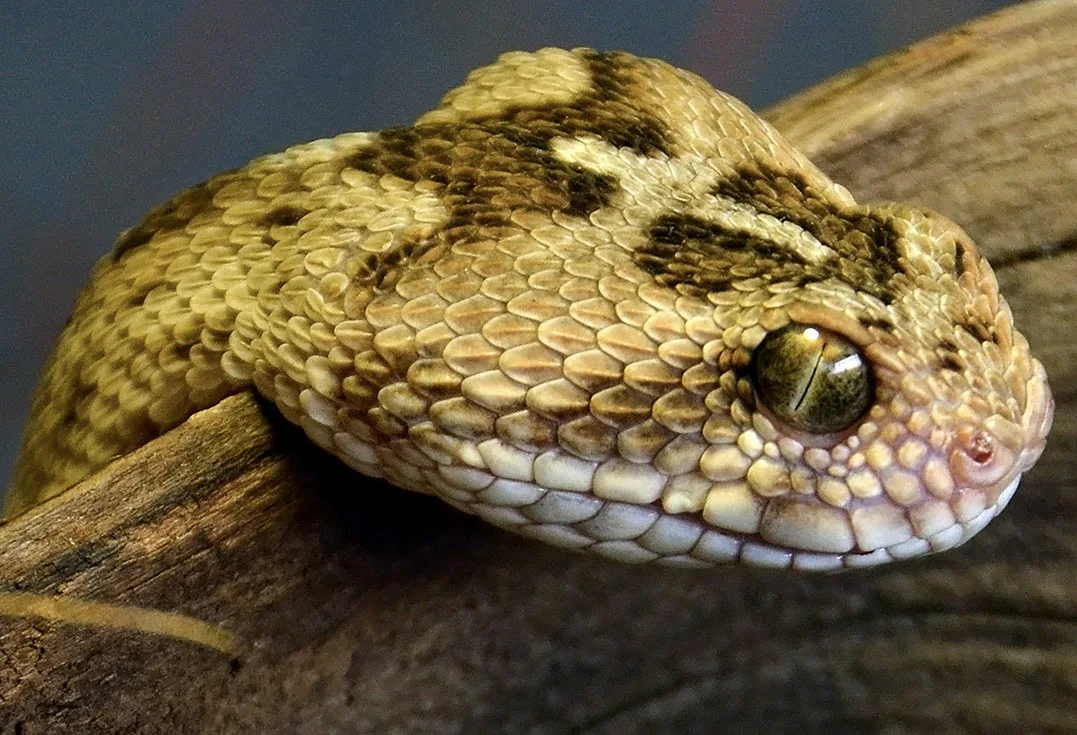
- Health experts warn that snakebites remain a dangerous but neglected health threat in Nigeria, citing poor access to antivenom, difficulties in snake identification, and gaps in emergency medical response.

Snakebites continue to pose a serious but largely overlooked public health risk in Nigeria, experts warn, citing limited access to antivenom, challenges in identifying snake species, and gaps in emergency response.
Medical professionals note that treating venomous snakebites is complex even in countries where antivenom is widely available. Before administering treatment, doctors often rely on detailed descriptions of the snake’s physical features and behaviour to determine the appropriate antivenom, as different species require different formulations.
In Nigeria, this process is further complicated by widespread difficulty in accurately identifying snakes. Many victims are unable to describe distinguishing features such as markings, eye shape, or behaviour, while some healthcare facilities lack specialised training in snakebite assessment. This increases the risk of delayed or inappropriate treatment.
Compounding the problem is the limited availability of antivenom in the country. Public health analysts say Nigeria does not currently prioritise snakebites as a national emergency, largely because cases are underreported and there is no coordinated national response. Antivenom is expensive to import and produce, making it scarce and inaccessible to many hospitals, particularly in rural areas where snake encounters are more common.
DON’T MISS: Signs a Snake May Already Be Around Your House
Health experts warn that bites from snakes with potent neurotoxic venom—such as some species of cobras and mambas—can lead to rapid and severe complications if prompt and specialised care is unavailable. As a result, prevention, early medical attention, and improved emergency preparedness remain critical.
They continue to call for better public awareness, improved training for healthcare workers, and stronger investment in antivenom supply chains to reduce avoidable deaths linked to snakebites.





Aproko Doctor Warns Against ‘Live Snail’ Skincare Trend, Cites Infection Risks (Video)
Health influencer Aproko Doctor has cautioned Nigerians against using live snails on their faces, warning of serious health risks including...


ICPC Fixes Date to Arraign El-Rufai Over Alleged Corruption, Money Laundering
The ICPC has announced plans to arraign former Kaduna Governor Nasir El-Rufai in court over multiple corruption-related charges following weeks...

Apply Now: FG Opens Fully Funded Overseas Scholarship for Nigerians (2026/2027)
The Federal Government, through the NDDC, has launched applications for its fully funded foreign postgraduate scholarship, targeting young Nigerians from...


OnlyFans Owner Leo Radvinsky Dies at 43, Cause of Death Emerges
Billionaire tech entrepreneur Leo Radvinsky, owner of OnlyFans, has died at 43, leaving behind a multibillion-dollar digital empire built on...


Kwankwaso, Obi, Dickson meeting Surprises APC as Details Emerge
The Kano APC has expressed surprise after Rabiu Kwankwaso hosted Peter Obi, Seyi Makinde, and Seriake Dickson in Kano.


Nike Unveils New Super Eagles Home, Away Jerseys for 2026 Season (Photos)
Nike has launched Nigeria’s new Super Eagles home and away jerseys, combining striking designs with performance technology despite the team’s...


BREAKING: Court Jails Ex-Acting Accountant-General for 72 Years Over N868m Fraud
A former Acting Accountant-General of the Federation, Chukwunyere Anamekwe Nwabuoku, has been sentenced to 72 years.


Tinubu Planning Third Term, VeryDarkMan Alleges APC Agenda for 2027 Election (Video)
VeryDarkMan alleges mass defections to APC may give President Tinubu a decisive edge ahead of 2027 elections.


Champions League Quarter-Finals Confirmed, See Fixtures
The UEFA Champions League quarter-final lineup is set, with blockbuster clashes including PSG vs Liverpool and Real Madrid vs Bayern...

‘We Miss Aregbesola’: Nigerian Youths Slam Tunji-Ojo Over Public Holiday Declaration (Video)
Nigerian youths have criticised Interior Minister Olubunmi Tunji-Ojo over the choice of Thursday and Friday as Eid-el-Fitr holidays.