
Politics
2027 Elections: INEC Considers Full System Audit to Prevent Repeat of 2023 IReV Glitch
INEC is considering a comprehensive audit of its election technology and a mock presidential poll ahead of the 2027 general election…

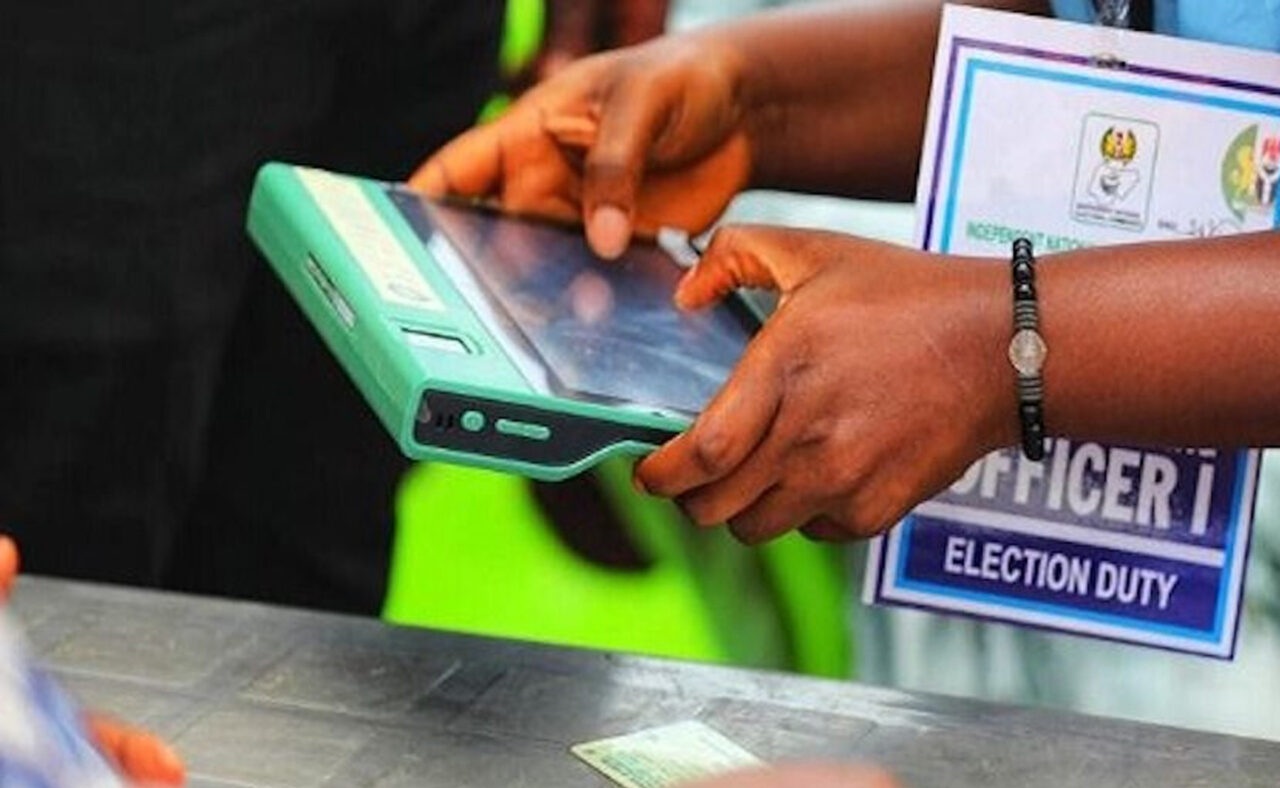
- INEC is considering a comprehensive audit of its election technology and a mock presidential poll ahead of the 2027 general election to prevent a repeat of the IReV glitches that marred the 2023 presidential election.

The Independent National Electoral Commission (INEC) is considering a comprehensive audit of its electoral technology systems and a mock presidential election ahead of the 2027 general election to prevent a repeat of the technical failures that affected the INEC Result Viewing Portal (IReV) during the 2023 presidential poll.
INEC Chairman, Prof. Joash Amupitan, SAN, disclosed the plan on Thursday while receiving the British High Commissioner to Nigeria, Dr. Richard Montgomery, during a courtesy visit to the Commission’s headquarters in Abuja.
According to Amupitan, the Commission is exploring the possibility of independently auditing all its technological infrastructure and conducting a simulated presidential election to test the reliability and readiness of its systems before Nigerians head to the polls in 2027.
“We are looking at the possibility of having an audit of all our systems ahead of the election and also conducting a mock presidential election. We are trying to see how that can be done,” he said.
The proposal follows widespread criticism of the 2023 presidential election after the IReV portal failed to upload polling unit presidential election results in real time as previously promised by the electoral body.
The glitch sparked concerns among political parties, election observers and voters, raising questions about the transparency of the collation process and the reliability of INEC’s election technology.
In its post-election review released in 2024, the Commission attributed the problem to a configuration error within its result management system, explaining that while National Assembly results were uploaded successfully, presidential results encountered internal server errors due to a system-mapping failure.
INEC said the issue was later resolved through software updates, although queued uploads and network connectivity challenges delayed the publication of many results.
The Commission acknowledged that the incident affected public confidence in the electoral process and has since introduced additional quality assurance measures, software improvements and system checks to strengthen the resilience of the IReV platform.
Amupitan said the proposed audit and mock presidential election are part of broader efforts to ensure the Commission leaves nothing to chance ahead of the 2027 polls.
Although the exercises were not included in INEC’s original budget, he noted that the Commission would explore ways to implement them because of their importance in enhancing electoral credibility.
The INEC chairman added that the Commission has continued to improve its digital infrastructure, including the Bimodal Voter Accreditation System (BVAS) and IReV, while also strengthening its cybersecurity framework through system redundancy, penetration testing, disaster recovery planning and communication protocol reviews.
He stressed that restoring public confidence in elections depends largely on the reliability of election technology and the Commission’s ability to apply lessons learned from previous polls.
Amupitan also identified election technology and cybersecurity as key areas of collaboration with international partners, including the United Kingdom and the International Foundation for Electoral Systems (IFES), reaffirming INEC’s commitment to delivering credible, transparent and technology-driven elections in 2027.
Speaking during the visit, British High Commissioner Dr. Richard Montgomery said the UK was closely monitoring Nigeria’s preparations for the next general election and pledged continued support for INEC’s electoral reform efforts even after the end of his diplomatic tenure.






IPOB Embraces Hausa Nation and All Northern Ethnic Nationalities in Historic Solidarity Declaration for Universal Freedom
IPOB has declared solidarity with Hausa people and other ethnic nationalities in Northern Nigeria, calling for a peaceful...

Nnamdi Kanu’s Legal Team Raises Fresh Questions Over Omotosho’s Judgment in Part 3 Commentary
Onyedikachi Ifedi, Esq., has questioned the legal basis of Nnamdi Kanu’s conviction, alleging irregularities involving Count 7....


IPOB Denies Plans to Resume Monday Sit-at-Home, Rejects Alleged Police Intelligence Report
IPOB has dismissed a purported police intelligence report alleging plans to resume Monday sit-at-home enforcement in the South-East...


‘No Negotiations, Only Referendum’ — Kanu’s Message to American Veterans of Igbo Descent
IPOB leader Nnamdi Kanu has reaffirmed his demand for a referendum on Biafra's self-determination, insisting he will reject any political...


IPOB Condemns NYSC Abductions in Imo, Accuses Uzodinma of Political Conspiracy
IPOB has condemned the reported abduction and rescue of NYSC members in Imo State, denying involvement and accusing Governor Hope...

Ambrose Alli University Lecturer Dies in Hotel Room After Sexual Encounter With 21-Year-Old Woman
A senior lecturer at Ambrose Alli University, Ekpoma, Dr Matthew Uwuigbe, has died in a hotel room in Edo State...


Omotosho’s First Jurisdictional Failure — The Court Lacked Authority to Try Kanu
The Mazi Nnamdi Kanu Global Legal Consortium has alleged that the Federal High Court lacked jurisdiction to try Kanu on...


‘No Government Without a Country’: IPOB Rejects Self-Appointed Biafra Government Officers
Mazi Chris Nwaọgụ has reiterated IPOB’s demand for Nnamdi Kanu’s freedom and Biafra’s restoration, while calling for Kanu’s appeal to...

Sokoto Declaration: Emma Powerful Dismantles False Claims, Reaffirms Onyendu Mazi Nnamdi Okwu Kanu’s Referendum Position
Kanu’s camp has rejected claims that he did not approve or co-sign the Sokoto Declaration, while stressing that he does...


Kanu’s Unlawful Conviction, the Law That Was Already Dead, and the Shame That Is Waiting for Nigeria’s Judiciary
Christopher Chidera, Esq., has challenged the legal basis of Nnamdi Kanu’s conviction, arguing that the trial court relied on a...