
News
63% of Nigerians Now Poor After Petrol Subsidy Removal — Study
About 63 percent of Nigerians fell below the poverty line after the removal of petrol subsidy.

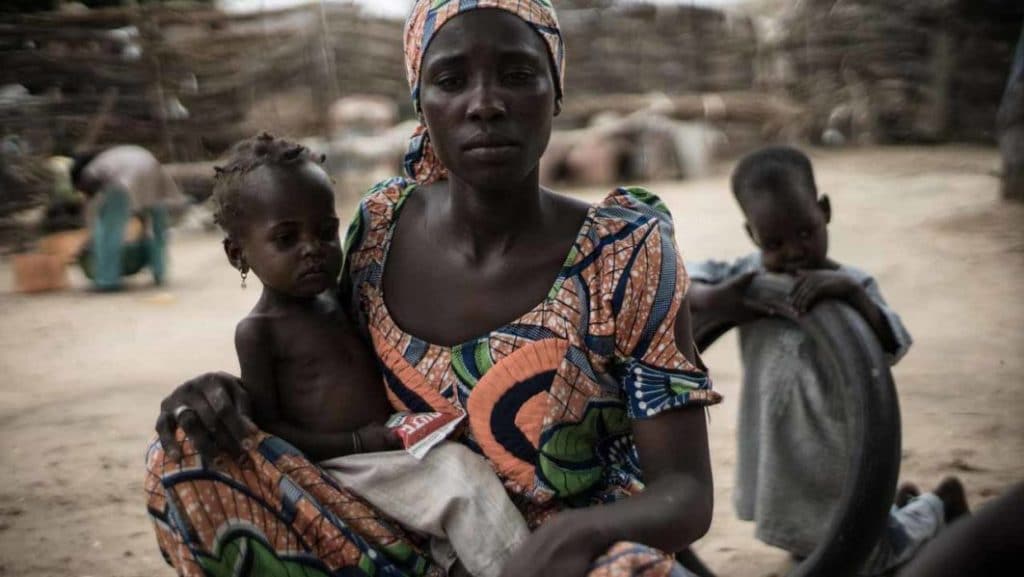
- About 63 percent of Nigerians fell below the poverty line after the removal of petrol subsidy.

About 63 percent of Nigerians fell below the poverty line after the removal of petrol subsidy, according to a new study examining the welfare impact of recent economic reforms.
The research was presented during a stakeholders’ dialogue organised by Agora Policy in Abuja on Thursday.
According to the findings, the national poverty headcount rose sharply from a baseline of about 49.8 percent to roughly 63 percent after the subsidy removal before moderating slightly following the introduction of social protection measures.
The dialogue, themed “Sustaining and Deepening Economic Reforms in Nigeria,” brought together policymakers, economists, civil society leaders, and private sector representatives to evaluate the impact of the Federal Government’s reform policies.
Among those in attendance were the Deputy Governor for Economic Policy at the Central Bank of Nigeria, Muhammad Abdullahi; the Special Adviser to the President on Finance and Economy, Sanyade Okoli; the World Bank Senior Economist for Nigeria, Samer Matta; the Country Director of CARE International, Hussaini Abdu; and the Executive Director of Agora Policy, Waziri Adio.
The study was presented by a Senior Lecturer at the Department of Economics, University of Abuja, Mohammed Shuaibu.
Shuaibu explained that the research analysed the economic and social consequences of key reforms introduced by the Federal Government, particularly the removal of petrol subsidy and adjustments in electricity tariffs.
President Bola Ahmed Tinubu had announced the end of petrol subsidy during his inauguration on May 29, 2023.
According to the study, the policy triggered widespread price increases across the economy and significantly affected household welfare.
“After the subsidy removal, poverty increased from a baseline of about 50 percent to 63 percent,” Shuaibu said.
He noted that social protection measures such as cash transfers helped soften the impact but did not fully reverse the decline in living standards.
“However, when social protection measures such as cash transfers were introduced, the poverty rate moderated to around 56.2 percent,” he explained.
The study also found that the effects of the reforms were unevenly distributed across income groups.
While high-income households were largely insulated from the economic shocks, low-income households experienced the most severe decline in purchasing power.
Data from the analysis showed that the national poverty gap widened significantly, rising from about 31.6 percent to more than 45 percent after the policy change.
Household consumption also declined across income groups following the removal of the subsidy and the adjustment of electricity tariffs.
“Across the board, household consumption declined following both the subsidy removal and electricity tariff adjustments. However, social transfers helped cushion the impact, especially for low-income households,” Shuaibu added.
The impact was particularly severe in rural areas and among low-income households, where rising energy and transportation costs significantly reduced spending capacity.
The study also examined the broader economic impact of electricity tariff reforms.
According to the findings, the reforms slightly increased consumer prices but also produced modest gains in economic output.
Real Gross Domestic Product was estimated to have increased by about 0.42 percent under the reform scenario before moderating to around 0.21 percent after social protection programmes were included.
However, the removal of petrol subsidy had a contractionary effect on economic activity as rising fuel and transport costs triggered inflationary pressures.
Beyond economic modelling, the research also incorporated insights from focus group discussions conducted across Nigeria’s six geopolitical zones.
Participants generally acknowledged the need for reforms but criticised the speed of their implementation.
Many households reported adopting survival strategies such as reducing consumption, cutting transport use, rationing electricity, and borrowing money to meet basic needs.
Businesses also reported major challenges, noting that higher fuel and electricity costs had significantly increased operating expenses.
Some firms said they had been forced to raise prices, reduce staff strength, or shut down operations entirely.
DON’T MISS: Details Emerge as Tinubu Approves New Military Hardware After Security Talks
Providing a monetary policy perspective during the dialogue, Abdullahi of the Central Bank of Nigeria said the reforms became necessary due to deep structural distortions in the Nigerian economy.
According to him, Nigeria’s crude oil revenue had fallen dramatically from about $92 billion in 2012 to less than $2 billion in 2023.
He also noted that subsidy payments and foreign exchange distortions had previously cost the country about six percent of its Gross Domestic Product.
Despite the short-term difficulties, Abdullahi said early signs of economic stabilisation were emerging, including improving foreign reserves and rising non-oil exports.
Meanwhile, the Director-General of the Lagos Chamber of Commerce and Industry, Chinyere Almona, said the reforms had corrected long-standing distortions but placed heavy pressure on businesses.
She urged the government to ensure that savings from subsidy removal—estimated at about $7.5 billion annually—are invested in infrastructure and human capital development.
Almona also called for stronger support for small and medium-sized enterprises to ensure that economic improvements translate into real benefits for ordinary Nigerians.






VIDEO: ‘Wear Only APC Cap or Face Consequences’, Edo LG Chairman Threatens Drivers
The chairman of Esan West Local Government Area of Edo State, Blessing Ebhodaghe, has directed commercial drivers in the council...

IPOB: 2027 Election Is No Substitute for a Referendum — Let the Peoples Decide
IPOB has called for a referendum to allow Nigerians and the country’s constituent peoples to decide the political arrangement under...

Sanwo-Olu, Fashola, Ambode, Others Named in Lagos APC 2027 Campaign Council (Full List)
The Lagos State chapter of the APC has unveiled its campaign council ahead of the 2027 general elections, naming Governor...

South African Woman Jailed 25 Years for Smuggling 5.75kg Heroin Into Nigeria
A Federal High Court in Abuja has sentenced 38-year-old South African woman Will Ann to 25 years in prison after...

NAFDAC Threatens to Shut Bakeries Over Banned Bread Improvers
NAFDAC has warned bakers in Niger State against using banned substances, including potassium bromate and saccharin, in bread production.


Meet Chelsea’s new owners, Clearlake Capital
Chelsea have entered a new ownership era after American investment firm Clearlake Capital acquired the stakes of Todd Boehly and...

JAMB Explains ‘Not Admitted’, ‘Admission in Progress’ and ‘Admitted’ Statuses
JAMB has explained what “Not Admitted,” “Admission in Progress” and “Admitted” mean on candidates’ CAPS, advising applicants to keep checking...

Peter Obi Advises Nigerians on Dangote Refinery IPO
Former Anambra State governor Peter Obi has urged Nigerians at home and abroad to consider investing in the ongoing Dangote...

14 Days to Keep Him in Custody, Endless Silence to Hear Him: How Nigeria’s Court of Appeal Built a Cage — Then Locked the Courtroom Door
A lawyer, Onyedikachi Ifedi, has challenged the legal basis of Nnamdi Kanu’s conviction, alleging reliance on a repealed law and...

Atiku Reveals What He Discussed With Aisha Buhari During Abuja Meeting
Former First Lady Aisha Buhari has visited former Vice-President and African Democratic Congress (ADC) presidential candidate Atiku Abubakar in Abuja.