
Business
CBN Cuts One-Year Treasury Bill Yield After Heavy Investor Demand
CBN cuts one-year Treasury bill yield to 17.66% after strong investor demand. See what the NTB auction means for investors, banks and Nigeria’s economy.

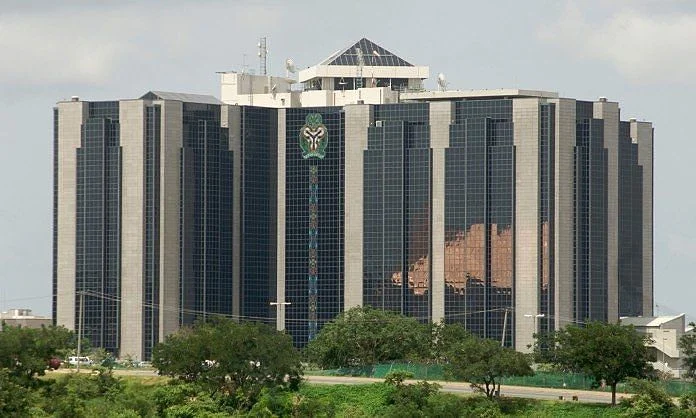
- CBN cuts one-year Treasury bill yield to 17.66% after strong investor demand. See what the NTB auction means for investors, banks and Nigeria’s economy.

The Central Bank of Nigeria has reduced the stop rate on the one-year Treasury bill after strong demand from investors at the latest Nigerian Treasury Bills auction.
According to auction data reported by Nairametrics, investors placed ₦2.87 trillion in bids for the 364-day Treasury bill alone, even though only ₦400 billion was initially offered for that tenor.
Total subscriptions across the 91-day, 182-day and 364-day bills reached ₦3.034 trillion, showing strong appetite for government securities.
What Happened at the Auction?
The CBN offered ₦600 billion across three Treasury bill tenors:
- 91-day bill: ₦100 billion offered
- 182-day bill: ₦100 billion offered
- 364-day bill: ₦400 billion offered
But investors showed the strongest interest in the one-year bill.
The 364-day bill attracted ₦2.872 trillion in subscriptions and the CBN allotted ₦1.062 trillion on that tenor.
One-Year Treasury Bill Yield Drops to 17.66%
The stop rate on the 364-day bill fell slightly to 17.66%, down from 17.70% at the previous auction.
This means the CBN accepted a slightly lower yield on the one-year bill despite the huge demand from investors.
The 91-day bill remained at 16.30%, while the 182-day bill stayed at 16.50%.
Why Investors Are Rushing One-Year Treasury Bills
Many investors are moving toward the 364-day Treasury bill because it offers higher returns than shorter tenors.
At 17.66%, the one-year bill still provides a return above Nigeria’s June headline inflation rate of 15.91%, giving investors a positive real return.
This is attractive to banks, pension funds, asset managers and individuals looking for relatively safe naira investments.
What This Means for Investors
For investors, the slight cut in yield means returns may be beginning to moderate.
However, a 17.66% stop rate is still attractive compared to many savings and fixed deposit rates.
Those who successfully bought the 364-day bill can lock in the return until maturity in July 2027, provided they hold it till maturity.
What This Means for the Economy
Strong demand for Treasury bills shows that investors still trust government securities.
But it also means more money is going into government debt instead of private sector lending.
When banks can earn attractive returns from Treasury bills, they may have less incentive to lend cheaply to businesses and households.
Why the CBN Is Selling Treasury Bills
The CBN uses Treasury bills to manage liquidity in the financial system.
When there is too much money in circulation, the CBN can sell Treasury bills to withdraw excess cash from the banking system.
This supports inflation control and can also help stabilise the naira.
Final Thoughts
The latest Treasury bills auction shows that Nigerian investors are still chasing safe, high-yield government paper.
The one-year Treasury bill remains the clear favourite, attracting ₦2.87tn in bids and accounting for most of the allotment.
For now, the yield remains attractive, but the slight drop from 17.70% to 17.66% may signal that rates could gradually ease if inflation continues to cool.
FAQs
What is the latest CBN Treasury bill rate?
The latest reported 364-day Treasury bill stop rate is 17.66%.
How much did investors bid for the one-year Treasury bill?
Investors bid about ₦2.87 trillion for the 364-day Treasury bill.
What is a Treasury bill?
A Treasury bill is a short-term government security sold at a discount and repaid at full value on maturity.
Is Treasury bill investment safe?
Treasury bills are considered among the safest naira investments because they are backed by the Federal Government.
Can individuals buy Treasury bills?
Yes. Individuals can buy Treasury bills through banks, stockbrokers and authorised dealers.






Bus Driver Returns Over N400,000 Forgotten by Passenger in Abia
An Abia commercial bus driver, Onyekachi Ikpendu, has been praised after returning over N400,000 and personal belongings accidentally left behind...


FG Begins N18bn Payment to 2,700 Ex-Nigeria Airways Workers After 20 Years
The Federal Government has commenced the payment of N18bn in outstanding severance benefits to 2,700 former Nigeria Airways workers...


Nigerians to Get Free Data Daily for Online Learning
The Nigerian Communications Commission has launched a zero-rated data initiative that will provide eligible users with up to 100MB of...


BREAKING: Peter Obi Breaks Silence on Stepping Down for Atiku
Peter Obi says any alliance with Atiku Abubakar must be negotiated by their political parties, while outlining his positions on...


BREAKING: National Assembly Suspends South Africa Trips, Orders Legislative Boycott
The National Assembly has suspended official visits to South Africa and participation in its legislative events over reported xenophobic attacks...


How Justice Omotosho Turned Criminal Law Upside Down to Convict Nnamdi Kanu
According to Chidera, Section 36(12) of the Nigerian Constitution requires a criminal offence to be defined and its punishment prescribed...


IPOB: The Boycott Is Not a Threat — List Kanu’s Appeal or Lose Biafraland’s Vote
The Indigenous People of Biafra (IPOB) has threatened a total boycott of upcoming elections across Biafraland and other areas if...


Kanu Fires Lawyer for ‘Gross Incompetence’ — IPOB Warns Media: Stop Calling Him Our Counsel
The Indigenous People of Biafra (IPOB) has said lawyer Ifeanyi Ejiofor is no longer a member of its legal team,...


How Nigerian Media Buried the Constitutional Time Bomb in Kanu’s Conviction
Legal practitioner Christopher Chidera, Esq., has launched a sharp criticism against major Nigerian media outlet....
IPOB: List Kanu’s Appeal in 14 Days or We Boycott 2027 General Elections Across Biafraland
The Indigenous People of Biafra (IPOB) has given the Federal Government of Nigeria a 14-day ultimatum to list and hear...