
News
FG Breaks Silence on New Telecom, Fuel Taxes
The Federal Government has reacted to growing reports linked to recent IMF recommendations (telecom and fuel taxes), offering fresh clarification on issues affecting key sectors of the economy.

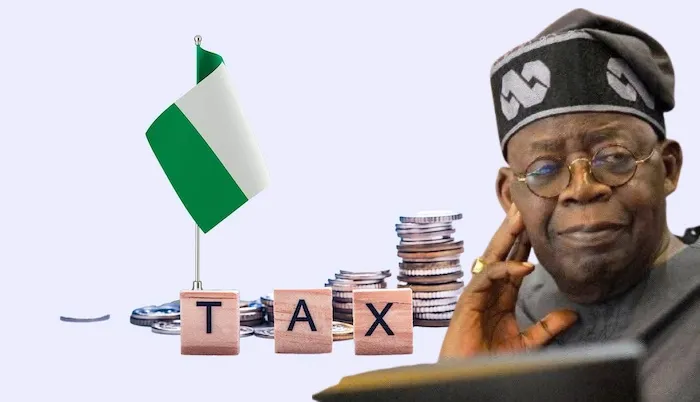
- The Federal Government has reacted to growing reports linked to recent IMF recommendations (telecom and fuel taxes), offering fresh clarification on issues affecting key sectors of the economy.

The Federal Government has dismissed reports suggesting it is considering the introduction of new taxes on telecommunications services and petroleum products following recommendations contained in the International Monetary Fund (IMF) Article IV Consultation Report on Nigeria.
In a statement issued by the Federal Ministry of Finance on Wednesday, the government clarified that the IMF’s recommendations do not amount to official policy and are not binding on Nigeria.
The clarification comes after reports emerged that the IMF had recommended taxes on fuel products and telecommunications services as part of measures aimed at boosting government revenue and improving fiscal sustainability.
According to the ministry, decisions on taxation can only be made through established constitutional and legislative processes and must align with national priorities and current economic realities.
The government also reassured Nigerians that the Value Added Tax (VAT) waiver on petroleum products remains in place and has not been withdrawn.
It further explained that while existing laws provide for a fuel surcharge, such a measure can only take effect through a ministerial order and official gazette publication, adding that no such process is currently being considered.
DON’T MISS: 18-Month-Old Baby Beheaded for Rituals in Ondo
On the telecommunications sector, the government stated that the excise duty previously introduced before 2023 has already been repealed under the country’s new tax laws and is no longer applicable.
The Ministry of Finance urged the public to disregard reports claiming fresh taxes are being planned for telecom services or petroleum products, describing such reports as inaccurate.
The government reaffirmed its commitment to economic reforms focused on expanding economic activity, improving revenue administration, attracting investment, and creating jobs rather than placing additional tax burdens on citizens.
It also assured Nigerians that any future tax policy changes would be officially communicated through the appropriate channels and implemented in accordance with the law.






BREAKING: FG Suspends 21 NSCDC Officers, Releases Full List
The Federal Government has suspended the Niger State Commandant of the NSCDC and 20 other officers following the deaths of...


FG Gives Fresh Update as 10-Member Panel Probes Deaths of 37 NSCDC Detainees
The Federal Government has constituted a 10-member independent committee to investigate the deaths of 37 suspected illegal miners...

Alex Otti Gives Fresh Update on Political Future, Says He Will Retire After Tenure
Abia State Governor Alex Otti has said he will retire from active politics after completing his tenure, ruling out a...

BREAKING: FG Plans Low-Key 66th Independence Celebration for Nigerians
President Bola Tinubu will address Nigerians in a nationwide broadcast on October 1 as the Federal Government prepares a low-key...


BREAKING: Youths Seeks Release of #EndSARS Report
Ogun youths have urged Governor Dapo Abiodun to make public the report of the state’s Judicial Panel of Investigation on...


Meet the 3 New Super Eagles Stars Set for Their First Nigeria Call-Up
George Ilenikhena, Isaac James and Moses Usor have earned their first Super Eagles invitations as Nigeria prepare for crucial 2026...

BREAKING: Tinubu Gives Fresh Order Over Deaths of 37 Miners
President Bola Tinubu has ordered a full and transparent investigation into the deaths of 37 miners in NSCDC custody in...


Burna Boy Set to Make History Again as He Headlines NFL’s First-Ever Paris Game
Nigerian Afrobeats superstar Burna Boy will return to Paris’ Stade de France in October to headline the halftime show for...
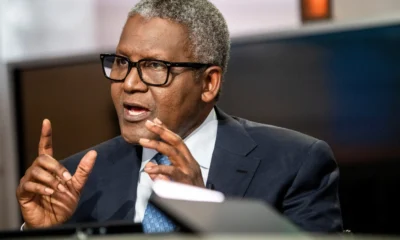

Dangote Refinery Reveals Why Falling Crude Prices May Not Hurt Its Profits
Dangote Refinery has assured prospective investors that a possible decline in crude oil prices after the US-Iran conflict will not...
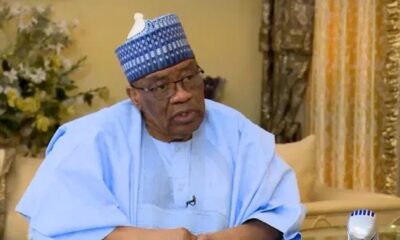

Survivor Reveals IBB as Owner of Niger Gold Mine Where 37 Miners Died
A survivor of the Niger State mining detention tragedy has alleged that the gold-mining site where 37 suspected illegal miners...