
News
BREAKING: Dangote Dumps Naira, Begins Petrol Sales in Dollars
Dangote Petroleum Refinery has officially ended naira-denominated transactions for petrol sales, adopting a dollar-based pricing system.

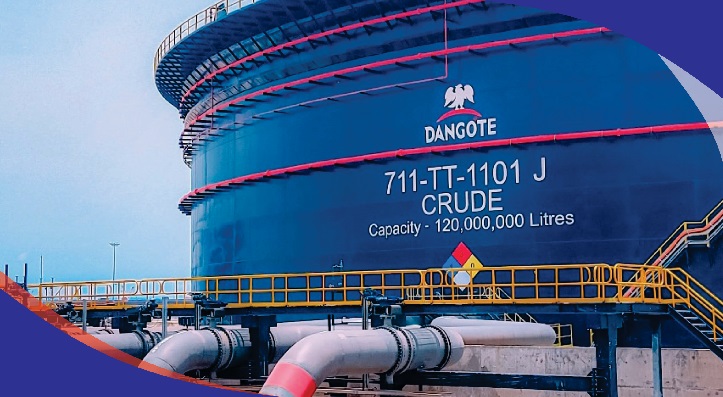
- Dangote Petroleum Refinery has officially ended naira-denominated transactions for petrol sales, adopting a dollar-based pricing system.

Dangote Petroleum Refinery has officially ended naira-denominated transactions for the sale of Premium Motor Spirit (PMS), also known as petrol, unveiling a new dollar-based pricing structure for refined petroleum products.
Under the new pricing template, which took effect on Monday, July 13, 2026, the refinery fixed the ex-depot price of petrol at $0.779 per litre.
The revised pricing also sets Automotive Gas Oil (diesel) at $1.087 per litre, Aviation Turbine Kerosene (Jet A1) at $0.942 per litre, while coastal deliveries of petrol have been priced at $1,044.62 per metric tonne.
The announcement marks the end of naira payments for refined products, a system introduced following the Federal Government’s naira-for-crude initiative that began on October 1, 2024.
In a notice sent to petroleum marketers and customers, the refinery stated that all previously issued naira-denominated invoices and deal recaps for gantry and coastal transactions had become invalid.
“All issued Naira Coastal and Gantry PFIs/Deal Recaps are now invalid, and no payments should be made against them,” the refinery stated.
However, the company clarified that the transition to dollar transactions does not apply to Liquefied Petroleum Gas (LPG).
Industry sources said the move was driven by a growing mismatch between the currency used to purchase crude oil and the currency in which refined products were being sold.
According to sources familiar with the development, Dangote Refinery now receives a significant portion of its crude oil supplies from the Nigerian National Petroleum Company Limited (NNPCL) under dollar-denominated arrangements, while many of its refined products have continued to be sold in naira.
The imbalance, coupled with exchange rate volatility and fluctuations in global crude oil prices, reportedly increased the refinery’s exposure to foreign exchange risks.
The new pricing structure is expected to have significant implications for petroleum marketers and could influence pump prices nationwide, depending on the prevailing exchange rate, transportation costs, regulatory charges and other operating expenses.
The development also raises fresh questions about the future of the Federal Government’s naira-for-crude policy, which was introduced to strengthen local refining, reduce pressure on foreign exchange demand and stabilise domestic fuel prices.
As Nigeria’s largest supplier of refined petroleum products, pricing decisions by Dangote Refinery are expected to continue playing a major role in determining fuel prices across the country.






Nnamdi Kanu’s Legal Team Raises Fresh Questions Over Omotosho’s Judgment in Part 3 Commentary
Onyedikachi Ifedi, Esq., has questioned the legal basis of Nnamdi Kanu’s conviction, alleging irregularities involving Count 7....


IPOB Denies Plans to Resume Monday Sit-at-Home, Rejects Alleged Police Intelligence Report
IPOB has dismissed a purported police intelligence report alleging plans to resume Monday sit-at-home enforcement in the South-East...


‘No Negotiations, Only Referendum’ — Kanu’s Message to American Veterans of Igbo Descent
IPOB leader Nnamdi Kanu has reaffirmed his demand for a referendum on Biafra's self-determination, insisting he will reject any political...


IPOB Condemns NYSC Abductions in Imo, Accuses Uzodinma of Political Conspiracy
IPOB has condemned the reported abduction and rescue of NYSC members in Imo State, denying involvement and accusing Governor Hope...


Ambrose Alli University Lecturer Dies in Hotel Room After Sexual Encounter With 21-Year-Old Woman
A senior lecturer at Ambrose Alli University, Ekpoma, Dr Matthew Uwuigbe, has died in a hotel room in Edo State...


Omotosho’s First Jurisdictional Failure — The Court Lacked Authority to Try Kanu
The Mazi Nnamdi Kanu Global Legal Consortium has alleged that the Federal High Court lacked jurisdiction to try Kanu on...


‘No Government Without a Country’: IPOB Rejects Self-Appointed Biafra Government Officers
Mazi Chris Nwaọgụ has reiterated IPOB’s demand for Nnamdi Kanu’s freedom and Biafra’s restoration, while calling for Kanu’s appeal to...


Sokoto Declaration: Emma Powerful Dismantles False Claims, Reaffirms Onyendu Mazi Nnamdi Okwu Kanu’s Referendum Position
Kanu’s camp has rejected claims that he did not approve or co-sign the Sokoto Declaration, while stressing that he does...


Kanu’s Unlawful Conviction, the Law That Was Already Dead, and the Shame That Is Waiting for Nigeria’s Judiciary
Christopher Chidera, Esq., has challenged the legal basis of Nnamdi Kanu’s conviction, arguing that the trial court relied on a...


Elochukwu Ohagi Describes Nnamdi Kanu as ‘Anointed Builder’ in Biafran Cenotaph Tribute
Elochukwu Ohagi has described Nnamdi Kanu as an “anointed builder” and “divine instrument” in the struggle for Biafran restoration, highlighting...