
Business
Tinubu Approves New Tax Incentive to Unlock $20bn Shell Oil Project
President Bola Tinubu has approved a special tax incentive for Shell’s $20 billion Bonga Southwest Aparo project.

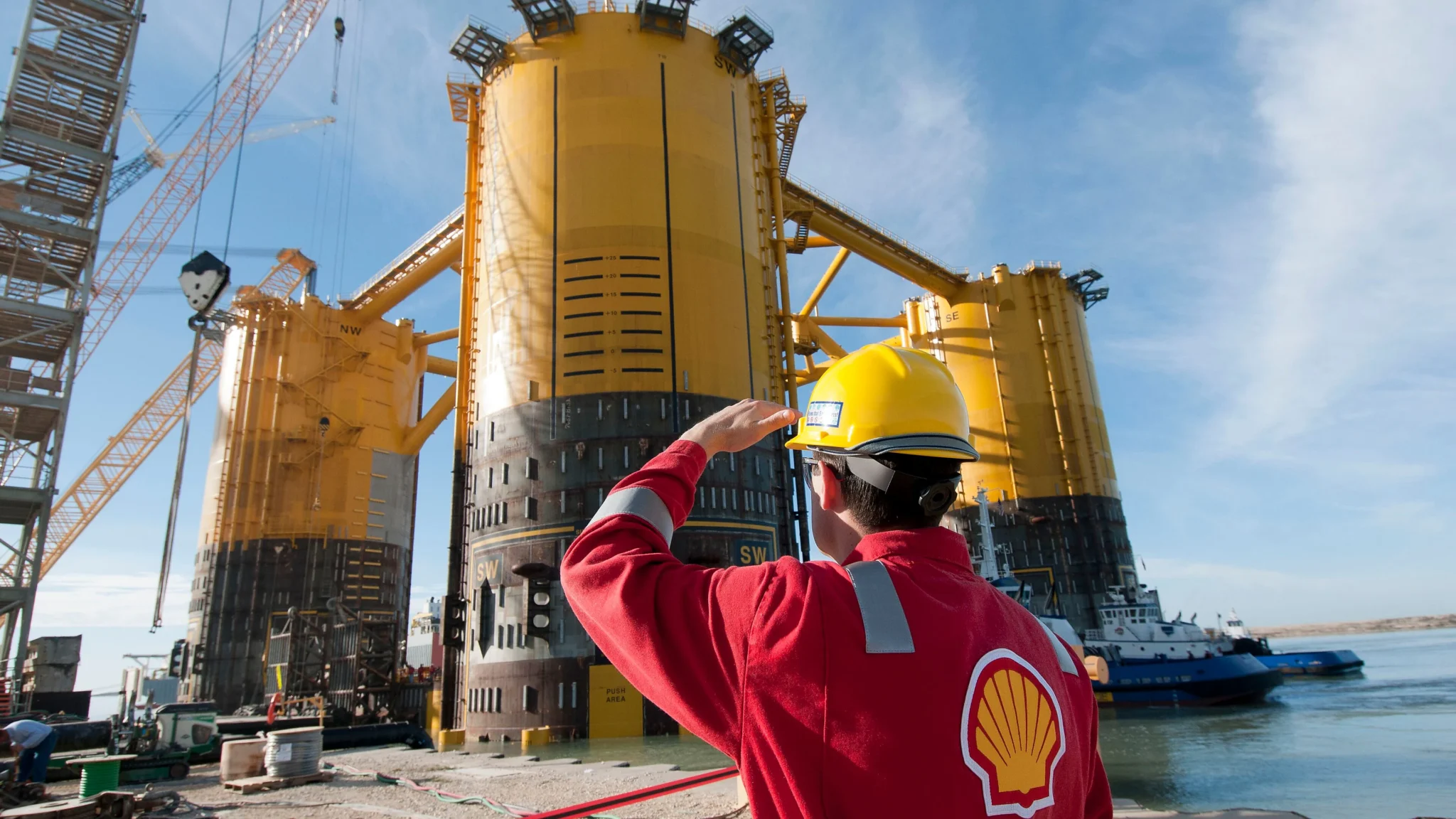
- President Bola Tinubu has approved a special tax incentive for Shell’s $20 billion Bonga Southwest Aparo project.

The Federal Government has approved a special production-linked tax incentive for Shell Plc’s Bonga Southwest Aparo deepwater oil project in a bid to attract fresh investment and boost Nigeria’s crude oil production.
According to a Bloomberg report, President Bola Tinubu approved fiscal terms that grant Shell and its partners a tax rebate of $11.50 for every barrel of crude oil produced from the project—more than double the standard incentive currently available under Nigeria’s fiscal framework.
The report, citing sources familiar with the matter, said the incentive is expected to pave the way for a Final Investment Decision (FID) on the long-delayed project.
The production-linked tax credit is also expected to be extended to other international oil companies developing new deepwater projects in Nigeria and remain in effect until at least 2029.
The Bonga Southwest Aparo project is one of Nigeria’s largest undeveloped offshore oil fields and is projected to attract about $20 billion in foreign investment.
According to the Nigerian National Petroleum Company Limited (NNPCL), the project is expected to produce approximately 150,000 barrels of crude oil per day once operational, significantly increasing Nigeria’s oil production capacity.
Reacting to the development, a Shell spokesperson confirmed that the company is continuing efforts to advance the project toward development and said any major updates would be communicated through official channels.
The latest incentive forms part of the Tinubu administration’s broader reforms aimed at restoring investor confidence in Nigeria’s oil and gas sector after years of declining investments caused by insecurity, oil theft, pipeline vandalism, ageing infrastructure and regulatory uncertainty.
Since assuming office in 2023, the Federal Government has introduced several executive orders and fiscal reforms designed to improve Nigeria’s competitiveness, attract new investments and unlock stalled petroleum projects.
Industry stakeholders believe the enhanced tax credit will improve the commercial viability of expensive deepwater projects, where production costs are considerably higher than those of onshore operations.
The development comes as Nigeria records a gradual recovery in crude oil production.
According to figures released by the Nigerian Upstream Petroleum Regulatory Commission (NUPRC), the country’s crude oil output rose to an average of 1.56 million barrels per day in June, marking its highest monthly production level since April 2020.
The increase has been attributed to improved security around oil facilities, renewed upstream investments and ongoing government reforms.
However, the Bloomberg report noted that some investors remain concerned about the long-term stability of the incentives because executive orders can be amended or challenged by future administrations.
To strengthen investor confidence, Shell has reportedly requested that the Federal Government publish the tax incentive in the Official Gazette, with government officials already beginning the gazetting process.
The Federal Government hopes the policy will unlock billions of dollars in new investments, create jobs, increase oil production and strengthen Nigeria’s non-tax revenue in the years ahead.





Nnamdi Kanu’s Legal Team Raises Fresh Questions Over Omotosho’s Judgment in Part 3 Commentary
Onyedikachi Ifedi, Esq., has questioned the legal basis of Nnamdi Kanu’s conviction, alleging irregularities involving Count 7....


IPOB Denies Plans to Resume Monday Sit-at-Home, Rejects Alleged Police Intelligence Report
IPOB has dismissed a purported police intelligence report alleging plans to resume Monday sit-at-home enforcement in the South-East...


‘No Negotiations, Only Referendum’ — Kanu’s Message to American Veterans of Igbo Descent
IPOB leader Nnamdi Kanu has reaffirmed his demand for a referendum on Biafra's self-determination, insisting he will reject any political...

IPOB Condemns NYSC Abductions in Imo, Accuses Uzodinma of Political Conspiracy
IPOB has condemned the reported abduction and rescue of NYSC members in Imo State, denying involvement and accusing Governor Hope...


Ambrose Alli University Lecturer Dies in Hotel Room After Sexual Encounter With 21-Year-Old Woman
A senior lecturer at Ambrose Alli University, Ekpoma, Dr Matthew Uwuigbe, has died in a hotel room in Edo State...

Omotosho’s First Jurisdictional Failure — The Court Lacked Authority to Try Kanu
The Mazi Nnamdi Kanu Global Legal Consortium has alleged that the Federal High Court lacked jurisdiction to try Kanu on...

‘No Government Without a Country’: IPOB Rejects Self-Appointed Biafra Government Officers
Mazi Chris Nwaọgụ has reiterated IPOB’s demand for Nnamdi Kanu’s freedom and Biafra’s restoration, while calling for Kanu’s appeal to...

Sokoto Declaration: Emma Powerful Dismantles False Claims, Reaffirms Onyendu Mazi Nnamdi Okwu Kanu’s Referendum Position
Kanu’s camp has rejected claims that he did not approve or co-sign the Sokoto Declaration, while stressing that he does...

Kanu’s Unlawful Conviction, the Law That Was Already Dead, and the Shame That Is Waiting for Nigeria’s Judiciary
Christopher Chidera, Esq., has challenged the legal basis of Nnamdi Kanu’s conviction, arguing that the trial court relied on a...


Elochukwu Ohagi Describes Nnamdi Kanu as ‘Anointed Builder’ in Biafran Cenotaph Tribute
Elochukwu Ohagi has described Nnamdi Kanu as an “anointed builder” and “divine instrument” in the struggle for Biafran restoration, highlighting...