
News
Is Your NIN Safe? Here’s How to Check If It Has Been Exposed to Scammers
Your National Identification Number (NIN) is one of your most important personal identifiers in Nigeria.

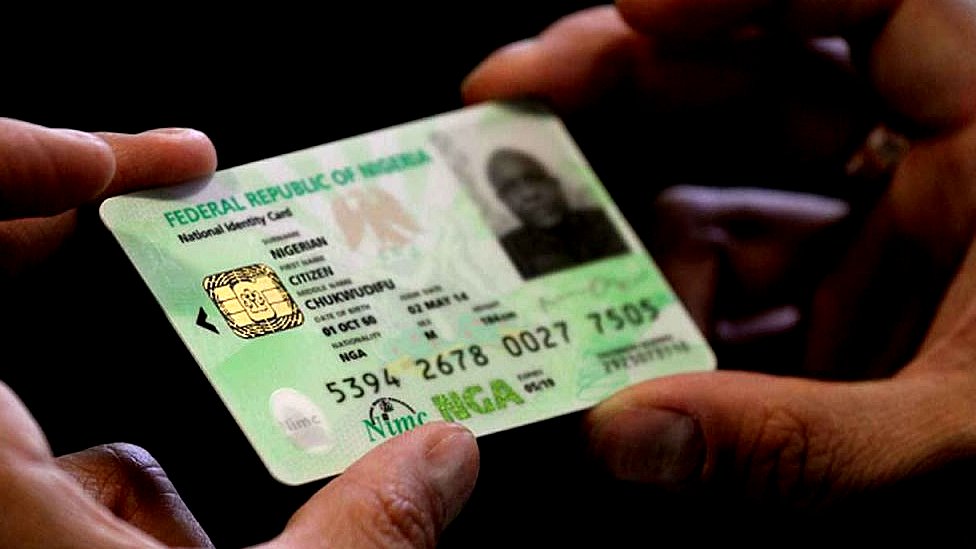
- Your National Identification Number (NIN) is one of your most important personal identifiers in Nigeria.

If someone gains unauthorized access to it, they could use it for SIM registration, financial fraud, or identity theft. Here’s how to monitor your NIN and what to do if you suspect misuse.
How to Check If Your NIN Has Been Used Without Permission
Your National Identification Number (NIN) is a unique identity number issued by the National Identity Management Commission (NIMC). It is now required for many essential services in Nigeria, including SIM registration, banking, passport applications, tax records, and government services.
Because the NIN is widely used, criminals may attempt to misuse stolen or leaked identity information for fraudulent activities. While there is currently no public service that shows every instance where your NIN has been used, there are practical ways to detect suspicious activity and reduce your risk.
This guide explains how to monitor your NIN, identify warning signs, and take action if you suspect unauthorized use.
1. Check the Phone Numbers Linked to Your NIN
One of the easiest ways to spot unauthorized use is to review the SIM cards registered under your NIN.
The Nigerian Communications Commission (NCC) provides the NIN-SIM linkage checker through the NIMC/NCC Short Code (996) and participating mobile networks, allowing subscribers to view numbers associated with their identity.
If you discover a number that you do not recognize, contact the mobile network immediately to report it and begin the necessary verification process.
2. Watch Your Bank Accounts Carefully
If someone has access to your identity information, unusual banking activity may follow.
Pay attention to:
- Unexpected account notifications.
- Transactions you did not authorize.
- New account alerts.
- Loan notifications you never applied for.
Report suspicious activity to your bank immediately.
3. Monitor Your Email and SMS Messages
Unexpected messages can reveal identity misuse.
Be cautious if you receive:
- OTPs you did not request.
- Password reset emails.
- New account verification messages.
- Alerts from unfamiliar organizations.
Do not ignore these notifications.
4. Protect Your NIN Slip
Avoid sharing your NIN unnecessarily.
Only provide it when required by trusted organizations.
Do not post your NIN slip on:
- WhatsApp Status
- X (formerly Twitter)
Even partially visible identification documents can expose valuable personal information.
5. Verify Requests Before Sharing Your NIN
Some fraudsters pretend to represent:
- Banks
- Government agencies
- Employers
- Loan companies
Always confirm that any request for your NIN is genuine before sharing it.
6. Report a Lost or Stolen Identity Document
If your NIN slip or any document containing your NIN is lost, report it promptly to the relevant authorities and remain alert for suspicious activity involving your identity.
7. Be Careful with Public Cybercafés and Shared Devices
Avoid entering your NIN on:
- Public computers.
- Shared mobile phones.
- Unsecured websites.
- Public Wi-Fi without proper security.
Use only trusted devices whenever possible.
What to Do If You Suspect Unauthorized Use
If you believe your NIN has been misused:
- Contact NIMC to report your concerns and seek guidance.
- Inform your mobile network if unfamiliar SIM cards are linked to your identity.
- Notify your bank if you notice suspicious financial activity.
- Report identity theft to law enforcement or the appropriate cybercrime authorities.
- Keep records of all reports and reference numbers.
Acting quickly can help limit further misuse of your personal information.
Tips to Keep Your NIN Safe
- Never share your NIN publicly.
- Avoid sending your NIN through unsecured messaging platforms unless absolutely necessary.
- Ignore unsolicited requests for your identity information.
- Use strong passwords for email and banking accounts.
- Enable two-factor authentication wherever available.
- Regularly review your mobile and financial accounts for unusual activity.
Finally, your NIN is a critical part of your digital identity. Although there is no single portal that shows every use of your NIN, regularly checking the SIMs linked to your identity, monitoring your financial accounts, and staying alert to unexpected verification messages can help you detect possible misuse early.
Protecting your personal information and reporting suspicious activity promptly are the best ways to reduce the risk of identity theft.






IPOB Embraces Hausa Nation and All Northern Ethnic Nationalities in Historic Solidarity Declaration for Universal Freedom
IPOB has declared solidarity with Hausa people and other ethnic nationalities in Northern Nigeria, calling for a peaceful...


Nnamdi Kanu’s Legal Team Raises Fresh Questions Over Omotosho’s Judgment in Part 3 Commentary
Onyedikachi Ifedi, Esq., has questioned the legal basis of Nnamdi Kanu’s conviction, alleging irregularities involving Count 7....


IPOB Denies Plans to Resume Monday Sit-at-Home, Rejects Alleged Police Intelligence Report
IPOB has dismissed a purported police intelligence report alleging plans to resume Monday sit-at-home enforcement in the South-East...


‘No Negotiations, Only Referendum’ — Kanu’s Message to American Veterans of Igbo Descent
IPOB leader Nnamdi Kanu has reaffirmed his demand for a referendum on Biafra's self-determination, insisting he will reject any political...


IPOB Condemns NYSC Abductions in Imo, Accuses Uzodinma of Political Conspiracy
IPOB has condemned the reported abduction and rescue of NYSC members in Imo State, denying involvement and accusing Governor Hope...


Ambrose Alli University Lecturer Dies in Hotel Room After Sexual Encounter With 21-Year-Old Woman
A senior lecturer at Ambrose Alli University, Ekpoma, Dr Matthew Uwuigbe, has died in a hotel room in Edo State...


Omotosho’s First Jurisdictional Failure — The Court Lacked Authority to Try Kanu
The Mazi Nnamdi Kanu Global Legal Consortium has alleged that the Federal High Court lacked jurisdiction to try Kanu on...


‘No Government Without a Country’: IPOB Rejects Self-Appointed Biafra Government Officers
Mazi Chris Nwaọgụ has reiterated IPOB’s demand for Nnamdi Kanu’s freedom and Biafra’s restoration, while calling for Kanu’s appeal to...


Sokoto Declaration: Emma Powerful Dismantles False Claims, Reaffirms Onyendu Mazi Nnamdi Okwu Kanu’s Referendum Position
Kanu’s camp has rejected claims that he did not approve or co-sign the Sokoto Declaration, while stressing that he does...


Kanu’s Unlawful Conviction, the Law That Was Already Dead, and the Shame That Is Waiting for Nigeria’s Judiciary
Christopher Chidera, Esq., has challenged the legal basis of Nnamdi Kanu’s conviction, arguing that the trial court relied on a...