
News
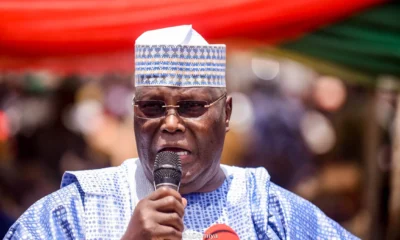
‘My Position Stands’ — Atiku Vows to Restore Petrol Subsidy, Explains Plan for Cheaper Fuel
Atiku has renewed his promise to restore petrol subsidy if elected president in 2027, saying his proposed support for local refineries would make fuel more affordable.


- Atiku has renewed his promise to restore petrol subsidy if elected president in 2027, saying his proposed support for local refineries would make fuel more affordable.

Former Vice-President Atiku Abubakar has reaffirmed his promise to restore petrol subsidy if elected president in 2027, insisting that the intervention would help ease the financial pressure on Nigerians.
Atiku restated his position in a post on X on Monday, November 9, accompanied by a campaign video explaining his proposed approach.
“My position stands! I will restore subsidy to make life easier and more affordable for Nigerians,” he wrote.
The accompanying video said the proposed assistance would focus on petrol produced by domestic refineries, rather than subsidising imported products.
The pledge renews the debate over fuel affordability and the economic choices facing voters ahead of the next presidential election.
Under the approach outlined by his campaign, government support would be targeted and temporary, with assistance tied to crude oil supplied to local refineries.
The campaign argues that reducing production costs would allow participating refineries to supply petroleum products at more affordable prices. It also proposes monitoring arrangements to ensure that the benefit reaches consumers, followed by a gradual withdrawal of support as economic conditions improve.
Atiku’s renewed pledge follows President Bola Tinubu’s rejection of a return to the subsidy regime during a November 6 engagement in Uyo, Akwa Ibom State.
Tinubu defended the removal of subsidy, arguing that continuing the previous arrangement would have exposed Nigeria to serious financial difficulties. He also maintained that the reform had addressed abuses associated with the old system and increased revenue available to governments.
The disagreement extends beyond whether government should intervene in petrol prices to how any intervention would be funded and enforced.
In an earlier statement dated September 20, published on the State House website, APC Presidential Campaign Council spokesman Dele Alake questioned the legal and financial basis of Atiku’s proposal.
Alake asked how assistance to refineries would guarantee lower filling-station prices, what the annual spending limit would be and how the scheme would prevent diversion and fraudulent claims.
Those objections preceded Atiku’s latest statement and should not be mistaken for a new response to Monday’s post.
Atiku’s announcement remains an election pledge. It does not introduce an immediate petrol price reduction or change the government’s current fuel policy.





‘My Position Stands’ — Atiku Vows to Restore Petrol Subsidy, Explains Plan for Cheaper Fuel
Atiku has renewed his promise to restore petrol subsidy if elected president in 2027, saying his proposed support for local...

Ogun NYSC Camp Overcrowding Sparks Outrage as More Than 4,300 Graduates Arrive
Ogun NYSC camp overcrowding has sparked concern after a viral video showed cramped sleeping conditions, prompting the state government to...

Osun Strike Grounds Public Schools and Government Offices
The Osun strike has disrupted public schools, healthcare services and government offices as workers demand the release of withheld local...

FG Moves to License Scrap Dealers to Curb Cable, Manhole Cover Theft
The FG’s proposed scrap metal rules would require licences, source verification and transaction records to curb the trade in stolen...


Is the ₦50,000 Relief Payment Monthly or One-Off? What NERSI Beneficiaries Should Know
Conflicting descriptions of the ₦50,000 relief payment have left questions about repeat payments. Here is what the ministry and Moniepoint...


‘A New Chapter’ — Destiny Etiko Announces Appointment as Governor Mbah’s Aide
Destiny Etiko has announced her appointment as Senior Special Assistant on Youth Engagement and Creative Economy to Enugu State Governor...


BREAKING: Court Orders INEC Chairman to Produce Tinubu’s 1999, 2023 Election Documents
A court has directed the INEC chairman to produce Tinubu’s election documents from 1999 and 2023 and testify in Omoyele...

Republican Moves to Impeach Trump’s Defence Secretary
Trump’s Defence Secretary, Pete Hegseth, faces an impeachment push led by Republican Thomas Massie over allegations that he implemented unlawful...

2027: INEC Rejects ‘Rig and Die’ Slogan, Vows to Punish Electoral Offenders
INEC has condemned the ‘rig and die’ slogan, warning of electoral violence while promising legal action against officials who compromise...

INEC Deletes 1.6 Million Voter Registrations, Flags 54 Officials
INEC has deleted over 1.6 million invalid voter registrations and removed 1,749 deceased persons’ records following a nationwide review of...