
Health
6 Health Changes that Happens to Your Body When You Eat Beans
Beans may look simple, but they are among the healthiest foods you can eat regularly.

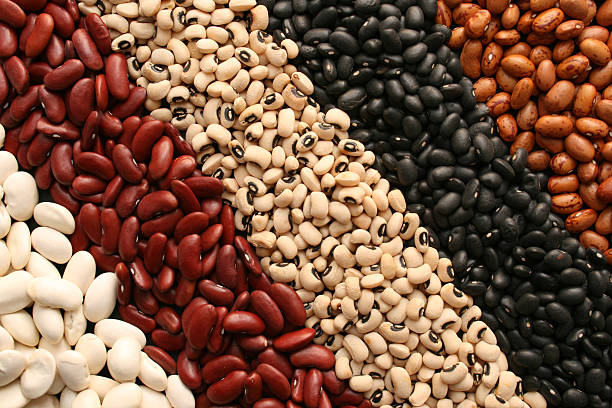
- Beans may look simple, but they are among the healthiest foods you can eat regularly.
- Rich in protein, fibre, iron, and essential minerals, daily bean consumption can improve digestion, stabilise energy levels, support heart health, and even reduce inflammation over time.

Beans have long been a staple food in many homes across Africa, Asia, and Latin America, valued for being affordable, filling, and highly nutritious. But in recent years, they have gained even more attention online, with many people claiming that eating beans every day improved their digestion, boosted their energy, and even helped their skin look healthier.
Health experts say the hype is not completely exaggerated. While beans are not a miracle food that changes the body overnight, consistent intake can gradually produce noticeable health benefits.
Packed with plant-based protein, fibre, vitamins, antioxidants, and important minerals, beans help the body in several ways at once. Nutritionists explain that the secret lies in their unique nutritional combination, especially their high fibre and protein content, which supports digestion, blood sugar control, appetite regulation, and heart health.
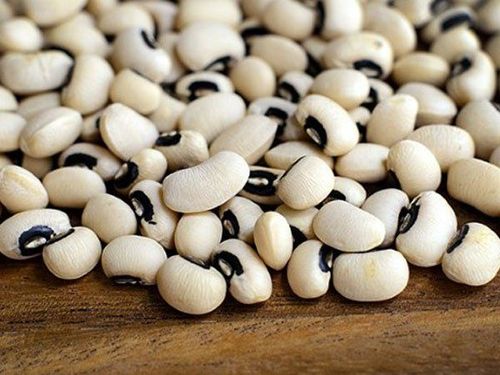
Here are six major changes that can happen in the body when beans become part of your daily diet.
1. Digestion and Gut Health Improve
One of the first changes many people notice after eating beans regularly is improved digestion. Beans act as a natural prebiotic, meaning they feed the healthy bacteria living in the gut.
A healthier gut microbiome supports smoother digestion, stronger immunity, and better overall body function. Within days or weeks of regular intake, bowel movements often become more regular and easier.
Beans contain both soluble and insoluble fibre. Soluble fibre helps nourish healthy gut bacteria and slows digestion, while insoluble fibre adds bulk to stool and helps waste move through the digestive tract more efficiently.
Over time, this combination supports a healthier digestive system and reduces constipation.
2. You May Experience Bloating at First
Although beans are healthy, many people experience gas or bloating when they first begin eating them regularly. Experts say this happens because the digestive system is adjusting to the sudden increase in fibre.
Beans also contain natural sugars called oligosaccharides, which are broken down by gut bacteria during digestion. This process produces gas, especially in people who are not used to high-fibre diets.
However, the discomfort is usually temporary. As the gut adapts, bloating often decreases significantly.

Nutritionists recommend increasing bean intake gradually instead of eating large amounts immediately. Drinking enough water can also help the body process fibre more effectively.
3. Energy Levels Become More Stable
Unlike highly processed carbohydrates that cause rapid spikes and crashes in blood sugar, beans release energy slowly into the body.
Because they contain both fibre and protein, beans help slow down the absorption of glucose into the bloodstream. This leads to steadier energy levels throughout the day and reduces feelings of sudden fatigue between meals.
Many people who eat beans regularly say they feel fuller for longer and experience fewer afternoon energy crashes.
Beans are also rich in iron, an important mineral that helps the body transport oxygen through the blood. Adequate iron intake is especially important for women and people who often experience tiredness or low energy.
4. Hunger and Cravings Reduce
Beans can also help control appetite naturally.
The fibre in beans expands in the stomach and slows digestion, while the protein helps increase feelings of fullness. Together, these effects can reduce the urge to snack constantly or overeat.
Experts say this is one reason beans are commonly included in healthy weight management diets. Instead of relying on strict food restrictions, beans help people feel satisfied for longer periods after meals.
Over time, this may support healthier eating habits and improved portion control.

5. Heart Health and Cholesterol Levels Improve
Beans are widely recognised as a heart-friendly food.
Studies have shown that regular consumption of beans may help lower LDL cholesterol, commonly known as “bad” cholesterol. Their soluble fibre binds to cholesterol in the digestive tract and helps remove it from the body before it enters the bloodstream.
Beans are also naturally low in fat and contain potassium and magnesium, minerals that help regulate blood pressure and support proper heart function.
Health experts often recommend beans as part of heart-healthy eating plans such as the Mediterranean and DASH diets because of their positive effects on cardiovascular health.
6. Inflammation May Reduce — And Skin Could Benefit Too
Beans contain antioxidants known as polyphenols, which help fight oxidative stress and inflammation inside the body.
Chronic inflammation has been linked to several health conditions, including heart disease, diabetes, and certain skin problems. By improving gut health and reducing inflammation, beans may also contribute to healthier-looking skin in some people.
DON’T MISS: Why It Is Dangerous to Get Bitten by a Snake in Nigeria
Some individuals report clearer skin, fewer body aches, and an overall feeling of improved wellness after consistently including beans in their diet.
Experts caution that beans alone are not a cure for skin issues or inflammation, but they can support better overall health as part of a balanced diet.
A Simple Habit With Long-Term Benefits
Nutritionists say the greatest benefit of beans lies in consistency. The changes they produce are usually gradual rather than dramatic, but over time, regular bean consumption can support better digestion, more stable energy, improved heart health, and healthier eating habits.
Affordable, accessible, and packed with nutrients, beans remain one of the simplest foods people can add to their diet for long-term health benefits.






IPOB: Nnamdi Kanu Must Be Released Unconditionally, Appeal Must Be Listed — Chris Nwaọgụ
IPOB has renewed its demand for the immediate and unconditional release of Nnamdi Kanu, while calling for his pending appeal...


‘Show Me the Law’ Is Not a Joke — It Is Section 36, Section 122, and the Supreme Court, Spoken from the Dock
Ifedi argues that Kanu’s conviction relied on a repealed terrorism law, raising fundamental constitutional questions about its validity.


BREAKING: Atiku Appoints El-Rufai, Hayatu-Deen in ADC Presidential Campaign Council
Atiku Abubakar has announced the appointment of Nasir el-Rufai and Mohammed Hayatu-Deen to key positions in his African Democratic Congress,...


NECO Releases 2026 SSCE Results, Records Drop in Examination Malpractice
NECO has released the 2026 SSCE results, with 1,496 candidates recorded for examination malpractice, representing a 64.74% decrease from 2025.


PHOTOS: Anthony Joshua Endures ‘Torture’ Training Ahead of Fury Fight
Anthony Joshua has stepped up his preparations for a potential Tyson Fury showdown with an unusual stretching machine that has...


Umahi Orders Tinubu’s Pictures on First Niger Bridge
Works Minister David Umahi has ordered that President Bola Tinubu’s pictures be displayed on the First Niger Bridge after its...


INEC to Deploy Intelligence Against Vote Buying Ahead of 2027 Elections
INEC Chairman Joash Amupitan says the commission will activate intelligence operations and pursue a joint task force to tackle vote...


Diverting Tithes, Offerings, Others to Private Businesses is a Criminal Offence – EFCC Warns Churches
The Economic and Financial Crimes Commission, EFCC, has warned religious leaders against diverting tithes, offerings, zakat and other funds entrusted...


Enugu Air Launches First International Flight to Cameroon
Enugu Air, Enugu Airport, Douala, Cameroon, Nigeria-Cameroon, International Flight, Peter Mbah, Enugu State, Akanu Ibiam International Airport,


Canadian Government Warns Citizens Against Buying Alcohol in Nigeria
The Canadian government has warned its citizens travelling to Nigeria to be cautious about where they buy alcohol following reports...