
Tech
How to Tell If a Photo or Video Is AI-Generated: 10 Signs You Should Never Ignore
AI-generated photos and videos are becoming harder to detect. Learn the key signs that reveal whether an image or video was created by artificial intelligence.

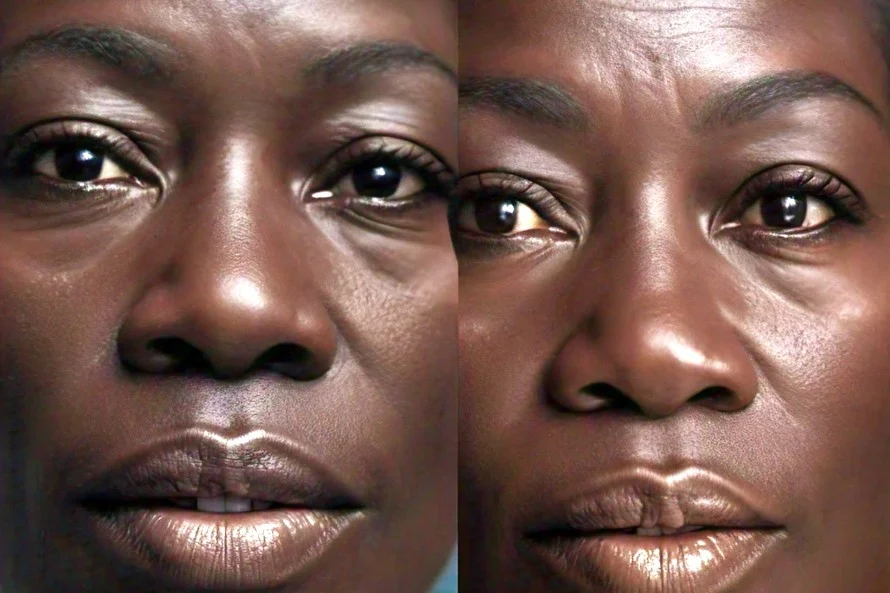
- AI-generated photos and videos are becoming harder to detect. Learn the key signs that reveal whether an image or video was created by artificial intelligence.

Artificial intelligence can now create incredibly realistic photos and videos that are often difficult to distinguish from reality. As AI tools become more advanced, knowing how to identify AI-generated content is an essential digital skill. Here are the signs experts say you should look out for.
How to Tell If a Photo or Video Is AI-Generated: 10 Signs You Should Never Ignore
Artificial intelligence has changed the way content is created online. What once required expensive equipment and professional editing software can now be done in minutes using AI tools.
From realistic portraits to celebrity videos that never happened, AI-generated content is spreading rapidly across social media platforms, news websites, and messaging apps. While many AI creations are harmless and entertaining, others can be used to spread misinformation, commit fraud, or manipulate public opinion.
The challenge is that AI-generated images and videos are becoming increasingly realistic. In some cases, even experts struggle to tell the difference between real and artificial content.
So, how can you spot an AI-generated photo or video?
Here are ten important signs to look for.
1. Pay Close Attention to Hands and Fingers
One of the easiest ways to identify AI-generated images is by examining the hands.
Although AI image generators have improved significantly, hands remain difficult to render perfectly. You may notice:
- Extra fingers
- Missing fingers
- Unnatural hand positions
- Fingers that blend into objects
- Uneven finger lengths
If something about the hands looks strange, it may be worth taking a closer look at the image.
However, AI systems continue to improve, so the absence of hand errors does not necessarily mean an image is authentic.
2. Examine the Eyes Carefully
Human eyes are remarkably complex, and AI sometimes struggles to recreate them accurately.
Look for signs such as:
- Uneven eye sizes
- Misaligned pupils
- Unnatural reflections
- Inconsistent gaze direction
- Excessively smooth eyes
In videos, blinking patterns can also provide clues. Earlier AI systems often generated people who blinked too little or in unnatural ways.
Modern systems have become better at this, but subtle inconsistencies may still appear.
3. Check the Background for Strange Details
Backgrounds often reveal what the main subject hides.
AI-generated images may contain:
- Distorted objects
- Repeating patterns
- Warped architecture
- Unreadable signs
- Random text
For example, a street scene may appear realistic at first glance, but closer inspection could reveal impossible road signs or distorted buildings.
Whenever you see unusual background details, consider the possibility that the content may have been AI-generated.
4. Look at Text and Logos
AI systems historically struggled to generate readable text accurately.
Although recent models have improved, errors still occur.
Watch for:
- Misspelled words
- Garbled letters
- Distorted logos
- Inconsistent fonts
If a product label or street sign appears nonsensical, this could be a sign that artificial intelligence was involved in creating the image.
5. Study Lighting and Shadows
Lighting follows the laws of physics.
AI-generated content sometimes creates lighting that appears realistic overall but becomes inconsistent under close examination.
Ask yourself:
- Are shadows falling in different directions?
- Does the light source make sense?
- Is one side of the face brighter without explanation?
Inconsistent lighting is often one of the strongest indicators that an image may not be genuine.
6. Watch for Unnatural Facial Expressions
Human expressions involve tiny muscle movements that are difficult to replicate perfectly.
In AI-generated videos, you may notice:
- Stiff smiles
- Delayed facial reactions
- Unnatural lip movement
- Expressions that seem slightly “off”
Deepfake videos may synchronize speech well, but subtle facial inconsistencies often remain visible.
Trust your instincts. If something feels unusual, investigate further.
7. Check Whether Accessories Make Sense
Accessories such as jewelry, eyeglasses, and clothing can reveal hidden flaws.
Look closely for:
- Earrings that change shape
- Glasses with uneven frames
- Clothing that blends into skin
- Missing buttons or seams
AI often struggles with fine details that humans naturally expect to see.
8. Verify the Source of the Content
One of the best ways to determine authenticity is to verify where the content originated.
Before sharing an image or video:
- Check who posted it.
- Look for verified accounts.
- Search reputable news sources.
- Reverse-search the image online.
Content shared by unknown or suspicious accounts should be treated with caution.
A credible source does not guarantee authenticity, but it significantly increases trustworthiness.
9. Listen Carefully to the Audio
For AI-generated videos, audio can provide valuable clues.
Listen for:
- Robotic speech patterns
- Strange pauses
- Unnatural emotions
- Voice mismatches
Although AI voices have become remarkably realistic, some still struggle to capture natural human speech patterns consistently.
If the voice sounds slightly unnatural, further verification may be necessary.
10. Use AI Detection Tools—But Don’t Rely on Them Completely
Several tools claim to detect AI-generated content.
However, no detection system is perfect.
Detection tools can help, but they should be used alongside critical thinking and manual observation.
Technology evolves rapidly, and as AI improves, detection becomes increasingly difficult.
Ultimately, human judgment remains essential.
DON’T MISS: Best Free AI Tools for Students and Professionals in 2026
Why AI-Generated Content Matters
The rise of AI-generated content is not just a technology story—it is a social issue.
AI-generated photos and videos can be used to:
- Spread misinformation
- Manipulate elections
- Damage reputations
- Commit scams
- Create fake news
At the same time, AI also offers positive opportunities in art, education, entertainment, and business.
The challenge lies not in the technology itself but in how it is used.
As society adapts to this new reality, digital literacy is becoming as important as traditional literacy.
The Future of Online Trust
Experts predict that AI-generated content will become even more realistic in the coming years.
Soon, distinguishing between real and artificial media may become nearly impossible without specialized tools.
This means individuals must develop habits such as:
- Verifying sources before sharing content
- Questioning sensational claims
- Cross-checking information across multiple platforms
- Staying informed about emerging technologies
In the digital age, skepticism is not cynicism—it is a valuable skill.
Frequently Asked Questions (FAQs)
Can AI-generated images look completely real?
Yes. Modern AI tools can create highly realistic images that are difficult to distinguish from authentic photographs.
What are deepfakes?
Deepfakes are AI-generated or manipulated videos that make it appear as though someone said or did something they never actually did.
Are AI-generated images illegal?
Not necessarily. AI-generated content is legal in many contexts, but using it for fraud, impersonation, or misinformation may violate laws.
Can AI detectors always identify fake images?
No. AI detection tools are improving, but they are not always accurate.
Conclusion
Artificial intelligence is transforming how digital content is created, shared, and consumed. While AI-generated photos and videos offer exciting creative possibilities, they also present new challenges for trust and authenticity online.
The next time you encounter a stunning image or a shocking video online, pause before sharing it. Examine the details, verify the source, and think critically.
In an age where seeing is no longer always believing, digital awareness may be one of the most important skills of the future.






Jehovah’s Witnesses Make Fresh Decision on Blood Transfusions
Jehovah’s Witnesses have announced a change concerning the four main components of blood.


BREAKING: FG Suspends 21 NSCDC Officers, Releases Full List
The Federal Government has suspended the Niger State Commandant of the NSCDC and 20 other officers following the deaths of...


FG Gives Fresh Update as 10-Member Panel Probes Deaths of 37 NSCDC Detainees
The Federal Government has constituted a 10-member independent committee to investigate the deaths of 37 suspected illegal miners...


Alex Otti Gives Fresh Update on Political Future, Says He Will Retire After Tenure
Abia State Governor Alex Otti has said he will retire from active politics after completing his tenure, ruling out a...


BREAKING: FG Plans Low-Key 66th Independence Celebration for Nigerians
President Bola Tinubu will address Nigerians in a nationwide broadcast on October 1 as the Federal Government prepares a low-key...


BREAKING: Youths Seeks Release of #EndSARS Report
Ogun youths have urged Governor Dapo Abiodun to make public the report of the state’s Judicial Panel of Investigation on...


Meet the 3 New Super Eagles Stars Set for Their First Nigeria Call-Up
George Ilenikhena, Isaac James and Moses Usor have earned their first Super Eagles invitations as Nigeria prepare for crucial 2026...


BREAKING: Tinubu Gives Fresh Order Over Deaths of 37 Miners
President Bola Tinubu has ordered a full and transparent investigation into the deaths of 37 miners in NSCDC custody in...


Burna Boy Set to Make History Again as He Headlines NFL’s First-Ever Paris Game
Nigerian Afrobeats superstar Burna Boy will return to Paris’ Stade de France in October to headline the halftime show for...

Dangote Refinery Reveals Why Falling Crude Prices May Not Hurt Its Profits
Dangote Refinery has assured prospective investors that a possible decline in crude oil prices after the US-Iran conflict will not...