
World News
Popular TikToker Jailed for Claiming President Sacrificed 32 Cows to Win Election
A court has sentenced TikToker Camilla Alhassan to one year in prison after she admitted to falsely claiming that President John Mahama sacrificed 32 cows….

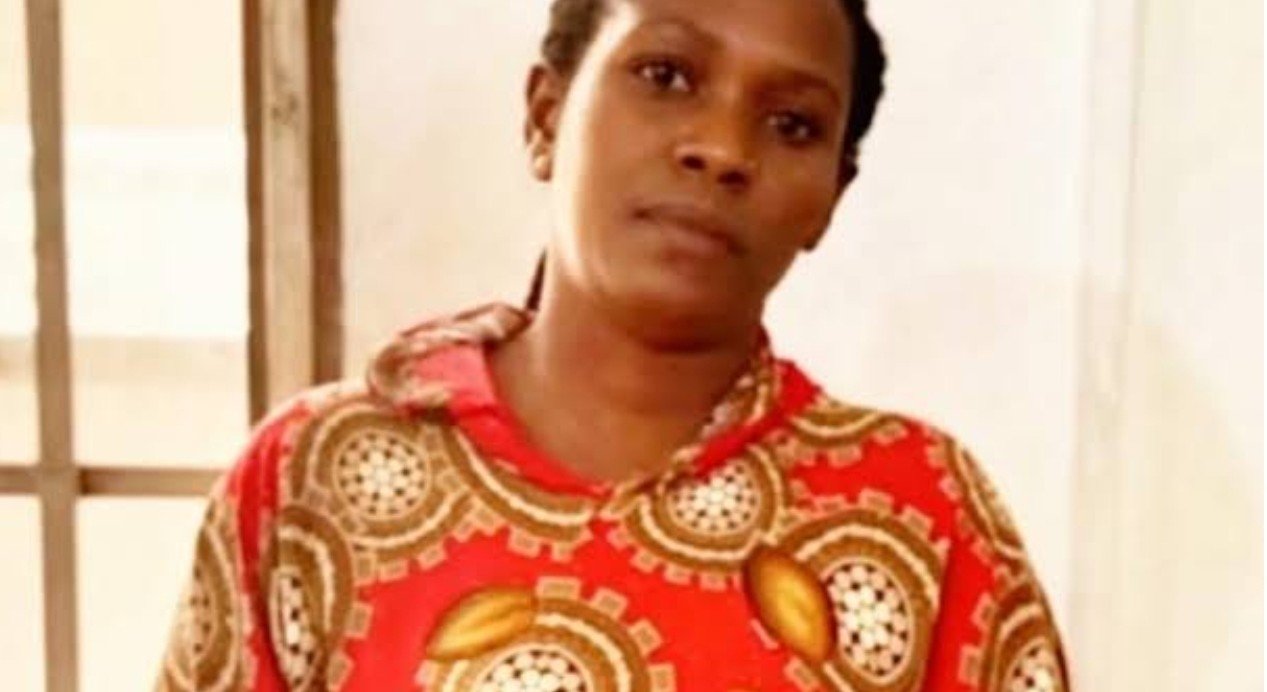
- A court has sentenced TikToker Camilla Alhassan to one year in prison after she admitted to falsely claiming that President John Mahama sacrificed 32 cows in a ritual to win the 2024 presidential election.

A Ghanaian court has sentenced TikToker Camilla Alhassan to one year in prison after she admitted to spreading false claims that President John Mahama sacrificed 32 cows in a ritual to secure victory in the country’s 2024 presidential election.
According to the BBC, the 43-year-old was convicted of offensive conduct and publication of false news over a series of TikTok videos posted last month and earlier this month.
In the videos, Alhassan falsely alleged that President Mahama performed the ritual to help him win the election, despite providing no evidence to support the claim.
She also claimed that the government’s distribution of sanitary pads to flood victims was part of an effort to conceal the alleged ritual.
The court rejected her plea for a reduced sentence, ruling that a custodial sentence was necessary to deter the growing spread of misinformation on social media.
Prosecutors told the court that Alhassan, who has more than 70,000 TikTok followers, made false and defamatory allegations against the president through videos that gained widespread attention online.
Her conviction has reignited debate in Ghana over how to combat misinformation while safeguarding freedom of expression.
The case is the latest involving a social media influencer in the country.
In September 2025, another TikToker, David Kwodwo Prah Afful, popularly known as Kwame Nkrumah II, was sentenced to seven months in prison after being convicted of making death threats against President Mahama and members of parliament in a viral video.
The Mahama administration has repeatedly warned against the spread of false information online.
Last year, the president said authorities would identify and prosecute individuals responsible for spreading falsehoods, hate speech and content capable of causing fear and public panic.
The Ghanaian government is also considering new legislation aimed at tackling misinformation while maintaining constitutional protections for freedom of expression.






2027: North Will Reject Tinubu and His Money — Hakeem Baba-Ahmed Says
Hakeem Baba-Ahmed has accused Tinubu’s administration of neglecting Northerners and warned against financial inducements...


Abia PDP Candidate Anosike Pledges to Reopen Ukwa East Oil Wells, Revive Industries
Abia PDP governorship candidate Kelechi Anosike has promised to pursue the reopening of capped oil wells, revive Abia Palm and...

₦70,000 No Longer Enough: NLC Gives FG Two Weeks to Act on Petrol Prices, Wages
The NLC says rising living costs have eroded the ₦70,000 minimum wage, insisting its ultimatum over petrol prices and fresh...

IPOB Embraces Hausa People, Backs Self-Determination for All Ethnic Groups
The Indigenous People of Biafra (IPOB) has declared its solidarity with the Hausa people and other ethnic nationalities in Northern...


IPOB-Hausa Brotherhood: Writer Traces Historical Ties, Renews Call for Biafra Referendum
A Nigerian writer, Khaleed Yazeed, has argued that historical trade relations between the Igbo and Hausa peoples provide a basis...


IPOB: No Hausa, No Jukun, No Birom Has Ever Ruled Nigeria — Their Turn Will Never Come Under This System
The Indigenous People of Biafra (IPOB) has renewed its demand for a referendum on Biafran self-determination, while calling for the...


Catholic Priest Dies as Cross Falls on Him During Livestreamed Mass
A Catholic Priest Father Patricio Sánchez Molinari died after a large wooden cross fell on him while he celebrated Mass...
IPOB Embraces Hausa Nation and All Northern Ethnic Nationalities in Historic Solidarity Declaration for Universal Freedom
IPOB has declared solidarity with Hausa people and other ethnic nationalities in Northern Nigeria, calling for a peaceful...

Nnamdi Kanu’s Legal Team Raises Fresh Questions Over Omotosho’s Judgment in Part 3 Commentary
Onyedikachi Ifedi, Esq., has questioned the legal basis of Nnamdi Kanu’s conviction, alleging irregularities involving Count 7....


IPOB Denies Plans to Resume Monday Sit-at-Home, Rejects Alleged Police Intelligence Report
IPOB has dismissed a purported police intelligence report alleging plans to resume Monday sit-at-home enforcement in the South-East...