
Politics
Tinubu’s 2027 Manifesto: 78,000 Security Recruits, More Jobs and Lower Living Costs Promised
Tinubu’s 2027 manifesto proposes 78,000 additional security personnel, six per cent annual economic growth and expanded investment in housing, education and electricity.

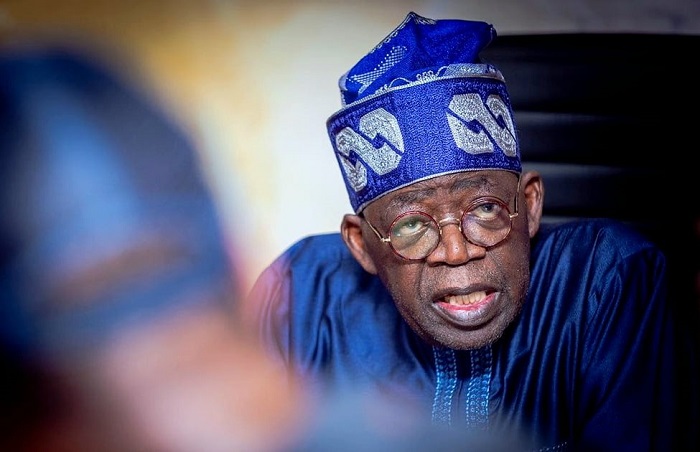
- Tinubu’s 2027 manifesto proposes 78,000 additional security personnel, six per cent annual economic growth and expanded investment in housing, education and electricity.

President Bola Tinubu has outlined plans to recruit 78,000 additional security personnel as part of his proposed agenda for a second term in office.
The commitments appear in the All Progressives Congress presidential manifesto, titled From Reform to Prosperity Agenda 2027–2031, ahead of the 2027 election.
The security proposal comprises 28,000 military personnel and 50,000 police officers. It aims to strengthen the response to terrorism, banditry and kidnapping, alongside improved protection for communities and Nigeria’s borders.
The 109-page document also sets a target of six per cent annual economic growth, linking the proposed second-term programme to improved employment opportunities and household incomes.
According to reporting on the document, the APC scheduled its unveiling for Tuesday, November 10, at the Shehu Musa Yar’Adua Centre in Abuja.
Housing, education and electricity feature prominently in the proposed programme.
Tinubu promises to facilitate the construction of 200,000 affordable homes, recruit 20,000 additional teachers and expand available electricity generation towards 10,000 megawatts.
The manifesto also commits to reducing pressure on household budgets through a sustained decline in inflation and food prices. Its stated direction is to translate economic reforms into improvements that Nigerians can experience in their daily lives.
These commitments form part of the administration’s proposed programme for 2027–2031. The announcement does not constitute an invitation to apply for military, police or teaching positions, nor does it establish that housing allocations have begun. Implementation would require further government decisions, funding and announcements from the responsible agencies.






Nigeria’s FX Turnover Drops 51% as Dollar Trading Slows to $1.81bn
Nigeria’s FX turnover fell by 51.29% in the week ended November 6, while the naira recorded only a marginal movement...

Obasanjo Reveals Why He Rejected US Asylum Despite Warning of Arrest Under Abacha
Obasanjo reveals why he rejected US asylum despite warnings that Abacha’s government would arrest him, recounting his return to Nigeria...


Tinubu’s 2027 Manifesto: 78,000 Security Recruits, More Jobs and Lower Living Costs Promised
Tinubu’s 2027 manifesto proposes 78,000 additional security personnel, six per cent annual economic growth and expanded investment in housing, education...

2027: INEC Probes 54 Persons Across 10 States Over Voter Registration Irregularities
INEC has identified 54 persons across 10 states for investigation over voter registration irregularities, warning of possible prosecution as it...


BRITAIN TO BLAME: London’s Role in the Abduction and Extraordinary Rendition of Nnamdi Kanu
The Indigenous People of Biafra (IPOB) has blamed the British government for its alleged complicity in the abduction of its...


‘My Position Stands’ — Atiku Vows to Restore Petrol Subsidy, Explains Plan for Cheaper Fuel
Atiku has renewed his promise to restore petrol subsidy if elected president in 2027, saying his proposed support for local...


Ogun NYSC Camp Overcrowding Sparks Outrage as More Than 4,300 Graduates Arrive
Ogun NYSC camp overcrowding has sparked concern after a viral video showed cramped sleeping conditions, prompting the state government to...


Osun Strike Grounds Public Schools and Government Offices
The Osun strike has disrupted public schools, healthcare services and government offices as workers demand the release of withheld local...


FG Moves to License Scrap Dealers to Curb Cable, Manhole Cover Theft
The FG’s proposed scrap metal rules would require licences, source verification and transaction records to curb the trade in stolen...


Is the ₦50,000 Relief Payment Monthly or One-Off? What NERSI Beneficiaries Should Know
Conflicting descriptions of the ₦50,000 relief payment have left questions about repeat payments. Here is what the ministry and Moniepoint...