
News
₦50,000 Relief Payment Faces Fresh Questions Over Funding, Transparency and Beneficiary Selection
The ₦50,000 relief payment has come under fresh scrutiny as transparency advocates demand clearer funding details, while an economist calls for measures that deliver lasting poverty reduction.

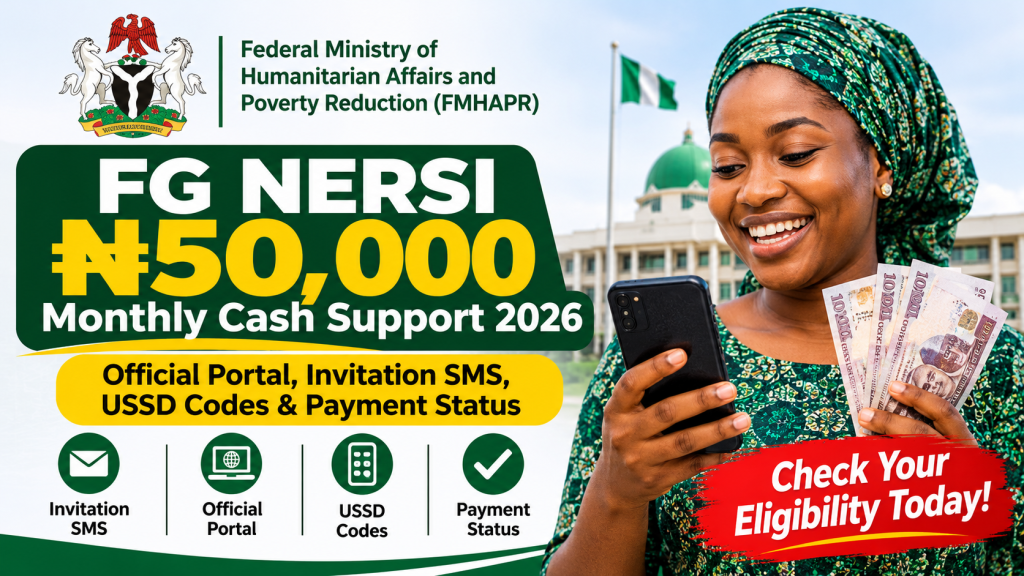
- The ₦50,000 relief payment has come under fresh scrutiny as transparency advocates demand clearer funding details, while an economist calls for measures that deliver lasting poverty reduction.

The Federal Government’s ₦50,000 relief payment programme is facing renewed scrutiny over its funding, beneficiary selection and long-term impact on vulnerable households.
Transparency International Nigeria’s head, Auwal Rafsanjani, questioned the intervention’s timing ahead of the 2027 elections and called for clearer information about its financing, duration and oversight.
In comments published on Tuesday, November 10, Rafsanjani asked which budgetary approval covered the expenditure and what safeguards would prevent diversion. He also suggested that political considerations could be influencing the initiative.
Those comments represent his criticism of the programme, rather than an established finding that funds have been diverted or expenditure is unlawful.
Economist Godwin Oyedokun, meanwhile, welcomed the assistance as a potential source of immediate relief but argued that cash transfers alone could not resolve unemployment, low productivity and other underlying causes of poverty.
He called for the intervention to be supported by job creation, agricultural development, vocational training and improved access to essential services.
The National Emergency Relief and Stabilisation Intervention, known as NERSI, was announced on October 30 by the Minister of Humanitarian Affairs and Poverty Reduction, Dr Bernard Doro.
The ministry described it as an intervention intended to help vulnerable households cope with rising living costs. Its launch statement specified ₦50,000 monthly support, although it did not set out a fixed number of monthly payments in the announcement reviewed.
In its published explanation of the scheme, the ministry says beneficiaries are drawn from the National Social Register and verified national identity records, using poverty and vulnerability criteria.
It states that selection covers all six geopolitical zones and does not require an application, registration fee or assistance from an intermediary.
Selected beneficiaries receive notifications through authorised payment providers, with their consent required before funds are credited to a mobile wallet.
The ministry identifies ALAT by Wema Bank, MoMo PSB, NairaGram, OPay and Moniepoint as the participating providers. It also warns that nobody can sell a place on the beneficiary list or collect money to accelerate payment.
The programme’s official website further states that an independent verification agent checks payments and that a dedicated contact centre handles enquiries and complaints.
These published arrangements explain how the government says the intervention operates. They do not, by themselves, establish the outcome of an independent audit of payments already made.
For beneficiaries seeking clarification, the ministry lists 0700-022-2222 as the programme helpline and advises recipients to contact their designated provider about wallet or payment problems.





Ex-NNPC Boss Mele Kyari Speaks on Alleged Missing ₦210tn Amid Senate Probe
Mele Kyari told senators that the figures flagged in NNPC’s ₦210tn audit queries were accounting entries. The committee says it...


Zinoleesky Breaks Silence as Released Lil Frosh Call Sparks Marlian Records Controversy
Zinoleesky has responded to criticism over a recorded conversation with Lil Frosh released by VeryDarkMan, questioning the attention surrounding his...


Senate Makes Fresh Pledge to Flamingos After Historic World Cup Win
The Senate has announced ₦100m for the Flamingos after their historic World Cup win and urged the Federal Government to...


CAF Awards 2026: CAF Announces New Date for Lagos Ceremony
CAF Awards 2026 will now take place on December 2 in Lagos, five days earlier than planned, with winners to...

₦50,000 Relief Payment Faces Fresh Questions Over Funding, Transparency and Beneficiary Selection
The ₦50,000 relief payment has come under fresh scrutiny as transparency advocates demand clearer funding details, while an economist calls...

Two Convicted Inmates Escape From Kogi Prison
Two inmates escape from Kogi prison as the Nigerian Correctional Service launches a search and orders an investigation into the...

US Lawmakers Set Date For Hearing On Christian Persecution In Nigeria
US lawmakers will examine alleged Christian persecution in Nigeria at a November 12 hearing focused on Middle Belt insecurity and...


WATCH: How Babcock Student Survives Suicide Attempt after Roommate’s Intervention
A Babcock student rescued by his roommates is alive and receiving treatment, the university has confirmed, dismissing reports that he...

FG’s ₦50,000 Relief Payment Divides Nigerians as Vote-Buying Allegations Intensify
The ₦50,000 relief payment has drawn praise from beneficiaries, while opposition parties question its timing and allege political motives ahead...


Manchester United Set to Sack Michael Carrick After Eight-Match Winless Run
Michael Carrick faces the sack as Manchester United review their poor start, with the club in the relegation zone after...