
News
FG Job Recruitment Scams: How to Spot Fake Government Job Portals Before You Apply
Fake government job portals are targeting Nigerian job seekers. Here is how to identify real FG recruitment websites and avoid scammers.

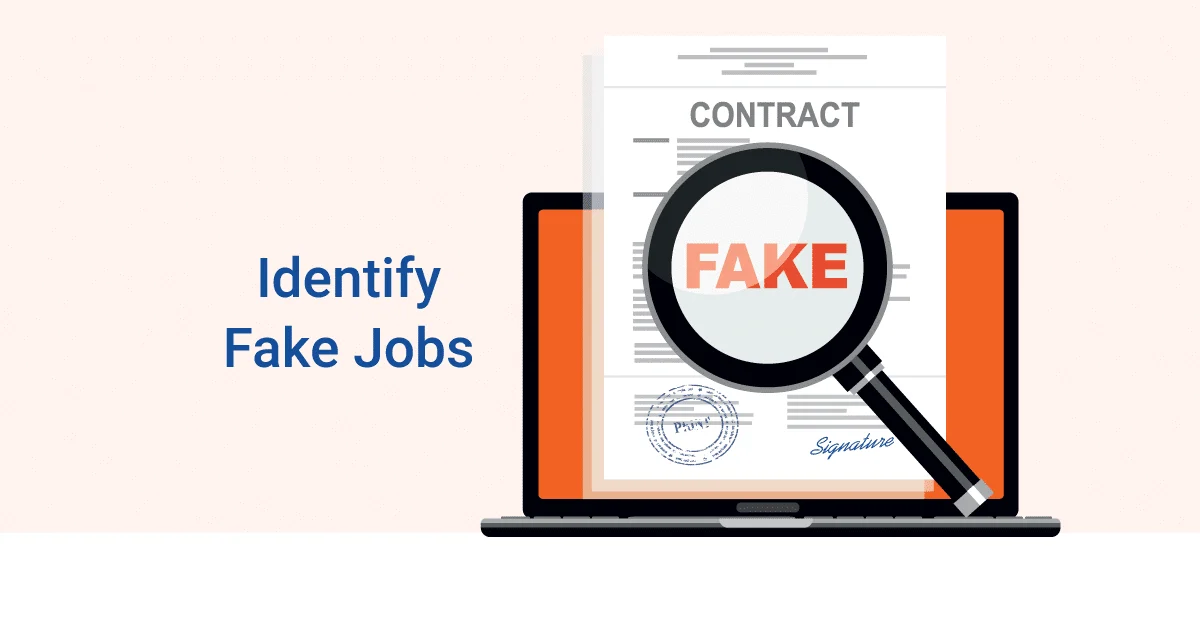
- Fake government job portals are targeting Nigerian job seekers. Here is how to identify real FG recruitment websites and avoid scammers.

Many Nigerian job seekers are searching for federal government jobs, but scammers are also using the opportunity to create fake recruitment portals.
These fake websites often claim to offer jobs in ministries, agencies, commissions, the police, schools, health institutions and other government offices. Some ask applicants to pay processing fees, submit BVN, upload personal documents or join WhatsApp groups.
Before applying for any FG job online, it is important to know how to confirm whether the portal is real or fake.
Why Fake Government Job Portals Are Dangerous
Fake recruitment portals are not just annoying. They can put job seekers at serious risk.
Scammers may use them to:
- Collect money from desperate applicants
- Steal personal information
- Harvest phone numbers and email addresses
- Collect BVN or bank details
- Send fake appointment letters
- Redirect applicants to phishing pages
- Impersonate government agencies
This is why every applicant must verify a job portal before submitting any information.
1. Check the Official Website of the Agency
The first step is to visit the official website of the agency directly.
Do not rely only on WhatsApp messages, Facebook posts, Telegram links or forwarded links.
For example, the Federal Civil Service Commission has previously warned that fake recruitment messages were circulating online and advised the public to rely on official announcements from its website.
If an agency is truly recruiting, the announcement should appear on its official website or verified government channels.
2. Be Careful With Strange Website Addresses
Many fake portals use suspicious website names.
Be careful with links that end with strange domains such as:
.xyz.top.online.blogspot.com- Shortened links like Bitly
- Website names that imitate real agencies
A real Nigerian government agency will usually use an official government domain, often ending in .gov.ng.
However, scammers can still design websites that look official, so do not trust a site only because the name looks familiar. Always cross-check from the agency’s main website.
3. Do Not Pay Any Recruitment Fee
One of the clearest signs of a fake recruitment portal is a demand for money.
Legitimate government recruitment exercises are usually free.
The Police Service Commission warned in January 2026 that some cyber cafes and agents were illegally collecting money from applicants for Nigeria Police Force recruitment. The commission stated that the NPF application process was free.
INEC also states on its recruitment portal that applying is completely free and that anyone requesting money or promising employment in exchange for payment is trying to defraud applicants.
If a portal asks for application fee, processing fee, slot fee, shortlist fee or medical fee, treat it as a red flag.
4. Do Not Submit BVN, Passwords or Bank Details
No genuine job application should ask for your bank password, ATM PIN, OTP or sensitive financial information.
UBEC recently warned the public about a fake 2026/2027 recruitment advert and said it would never request payments, processing fees or sensitive financial information such as BVN or passwords for employment opportunities.
A job portal may request basic details such as name, email, phone number, qualifications and CV. But once it starts asking for private banking information, stop immediately.
5. Beware of “Guaranteed Job Slot” Messages
No real government agency will sell employment slots through WhatsApp, Facebook inbox or private agents.
Messages like these are usually scams:
- “Pay now to secure your slot”
- “I know someone inside the ministry”
- “Only 50 slots left”
- “Send your CV and ₦10,000 processing fee”
- “Guaranteed appointment letter available”
The Federal Character Commission also clarified that it does not recruit workers into ministries, departments, agencies or government-owned institutions. Its role is to monitor fairness and representation, not to sell or guarantee jobs.
6. Check for Official Public Notices
Before applying, search the agency’s website for press releases, recruitment notices or disclaimers.
Many agencies publish warnings when fake adverts are circulating.
Examples include:
- FCSC disowning fake recruitment publications
- OHCSF warning against false employment procedures
- UBEC warning about fake recruitment portals
- PSC warning against illegal charges for police recruitment
- INEC warning applicants not to use third-party sites
If an agency has publicly disowned a recruitment exercise, do not apply through that portal.
7. Avoid Third-Party Recruitment Agents
Be careful with people who claim they can apply on your behalf for a fee.
INEC’s recruitment portal warns that applications sent through third-party websites, consultants or recruitment agents will not be accepted.
If you must use a cyber cafe because you do not have internet access, make sure you personally monitor the process and confirm the exact website being used.
Do not allow anyone to submit false information for you.
How to Verify a Government Job Portal
Before applying, do this:
- Search the agency name on Google
- Open the official agency website
- Look for “Careers,” “Recruitment,” “Vacancies” or “News”
- Check verified social media pages of the agency
- Confirm that the portal link appears on the official website
- Read recent disclaimers or public notices
- Avoid links sent only through WhatsApp or Telegram
If you are not sure, do not submit your details.
What to Do If You Already Applied on a Fake Portal
If you suspect that you submitted your details on a fake recruitment website, take action quickly.
You should:
- Stop further communication with the scammers
- Do not pay any money
- Change passwords if you reused them
- Contact your bank if you submitted banking details
- Report the portal to the real agency
- Warn others not to apply through the same link
- Save screenshots as evidence
If you shared BVN, OTP or card details, contact your bank immediately.
Final Thoughts
Government job scams are increasing because many Nigerians are looking for employment.
The safest rule is simple: do not apply through any portal unless the link is confirmed on the official website of the agency.
Do not pay for job slots. Do not submit BVN or passwords. Do not trust WhatsApp-only recruitment messages.
A real government job opportunity should be public, verifiable and free to apply for.
FAQs
How do I know if an FG recruitment portal is real?
Check whether the portal is listed on the official website of the agency. Do not rely only on social media posts or WhatsApp links.
Do government jobs require application fees?
Most legitimate government recruitment exercises are free. If anyone asks you to pay for a job slot or processing fee, it is likely a scam.
Can I apply for government jobs through agents?
Be careful. Some agencies warn that applications through third-party websites, consultants or agents will not be accepted.
Is BVN required for government job applications?
You should be very careful. Agencies such as UBEC have warned that they do not request BVN, passwords or sensitive financial information for employment opportunities.
What should I do if I find a fake recruitment portal?
Do not apply. Report it to the real agency, warn others and avoid sharing personal information.






VIDEO: President Tinubu Receives Oyinkansola Badejo-Okusanya, NBA President-Elect at State House
President Bola Tinubu has received Nigerian Bar Association President-elect Oyinkansola Badejo-Okusanya and members of her delegation at the State House...


Sabotage Unmasked: From Malami Stay Disaster to Current Division — Why Ejiofor Must Be Kept Far From IPOB
The Indigenous People of Biafra (IPOB) has reaffirmed that Barrister Ifeanyi Ejiofor remains dismissed as its legal representative, insisting that...


Tems Leads Children of Blood and Bone Soundtrack: What Her New Role Means
Tems has been named executive music producer and curator of the Children of Blood and Bone soundtrack, marking another major...


Ghana’s Tallest Man Awuche Dies at 33, Cause of Death Emerges
Sulemana Abdul Samed, popularly known as Awuche and recognized as Ghana's tallest man, has died at the age of 33...

FG Job Recruitment Scams: How to Spot Fake Government Job Portals Before You Apply
Fake government job portals are targeting Nigerian job seekers. Here is how to identify real FG recruitment websites and avoid...


Nigeria vs Malawi: Five Reasons Super Falcons Lost Their WAFCON 2026 Opener
Nigeria’s Super Falcons suffered a shocking 3-2 defeat to Malawi in their WAFCON 2026 opener. Here are five key reasons...


BBNaija Day 3 Update: Neche and Ricky Spark Early Ship Rumours in Biggie’s House
BBNaija Season 11 Day 3 update as Neche and Ricky spark early ship rumours, with fans watching their chemistry, conversations...


BBNaija The Gambit Twist: Why Two Housemates May Reach Final But Lose ₦160m Prize
BBNaija Season 11 introduces The Gambit twist, where one male and one female housemate can reach the finale but lose...


IPOB: Ifeanyi Ejiofor Remains Sacked; Re-Appointment by Expelled Renegades is Dead on Arrival
The Indigenous People of Biafra (IPOB) has insisted that Barrister Ifeanyi Ejiofor remains removed as its legal representative.


Alleged Rape: Body of 20-Year-Old Favour Agbro Exhumed for Autopsy as Investigation Deepens
The body of 20-year-old Favour Agbro, who died after accusing a Delta-based content creator of rape, has been exhumed for...