
Education
Sex-for-Marks in Nigeria: Why Lecturers Are Being Sacked and What Students Should Know
Sex-for-marks in Nigeria: See why lecturers are being sacked, recent cases, students’ rights, how to report harassment and what schools must do to protect students.

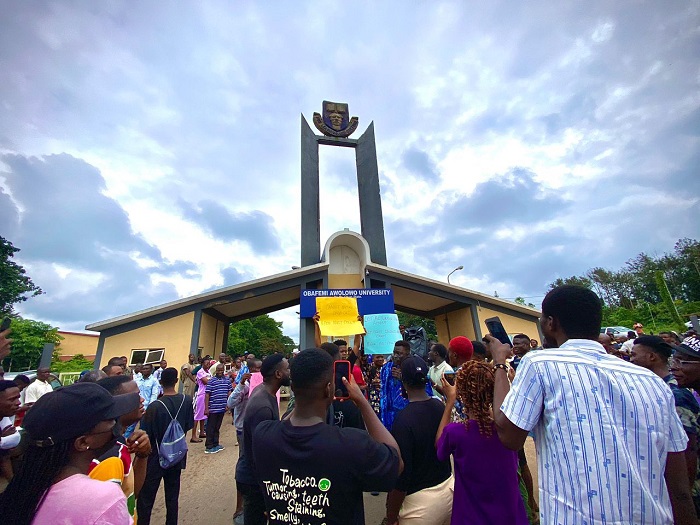
- Sex-for-marks in Nigeria: See why lecturers are being sacked, recent cases, students’ rights, how to report harassment and what schools must do to protect students.

Sex-for-marks allegations are again drawing national attention as Nigerian tertiary institutions continue to sanction lecturers accused of sexual harassment, abuse of power and misconduct against students.
A previous review by The Punch found that no fewer than 50 lecturers in Nigerian public universities and polytechnics were indicted for sexual misconduct between April 2021 and April 2025. Since then, more institutions have announced fresh dismissals, suspensions and investigations, showing that the problem has not disappeared.
Although some online conversations now put the number at about 60, the safer confirmed position is that over 50 lecturers have been publicly linked to sexual misconduct cases in recent years, with additional cases reported in 2025 and 2026.
Recent Sex-for-Marks Cases in Nigeria
Several institutions have taken action against lecturers accused of sexual harassment and related misconduct.
In 2025, the Lagos State University of Science and Technology dismissed three lecturers after allegations of sexual harassment against female students were investigated.
Lagos State University also dismissed two lecturers in 2025 over gross misconduct, including sexual harassment, financial impropriety and inhumane treatment of students.
In March 2025, Usmanu Danfodiyo University, Sokoto, dismissed three staff members over misconduct cases involving result alteration, sexual harassment and abscondment from duty.
More recently, Kogi State Polytechnic suspended lecturers over allegations linked to unauthorised sale of materials, sexual harassment and other misconduct while investigations continued.
These cases show that more institutions are now under pressure to respond publicly when students report abuse.
What Is Sex-for-Marks?
Sex-for-marks happens when a lecturer, supervisor or school official demands sexual favours from a student in exchange for marks, admission, project approval, graduation clearance or other academic benefits.
It can also happen when a lecturer threatens to fail, delay or punish a student for rejecting sexual advances.
Sexual harassment in schools can include unwanted touching, sexual comments, private invitations with pressure, threats, demand for nude pictures, repeated calls or messages, or any conduct that makes a student feel unsafe.
Why Students Must Report Early
Many students keep quiet because they fear victimisation, delayed graduation, poor grades or public shame. But silence often protects the offender and exposes more students to the same danger.
Students should report early to trusted channels such as the Head of Department, Dean of Students Affairs, gender desk, school counselling unit, security unit, anti-sexual harassment committee, student union, parents or a trusted lawyer.
Where there is threat, assault, blackmail or attempted rape, students should also report to law enforcement.
Evidence Students Should Keep
Students who are being harassed should avoid meeting the lecturer alone in private places. They should also keep useful evidence such as messages, call logs, emails, voice notes, witnesses, screenshots and dates of incidents.
Evidence should be preserved safely and shared only with trusted people or official panels.
Students should not edit or fabricate evidence, because false claims can damage a real case and may expose the student to legal consequences.
What Schools Should Do
Universities, polytechnics and colleges need stronger systems that protect students before abuse becomes public scandal.
Every institution should have clear reporting channels, anonymous complaint options, quick disciplinary panels, protection against victimisation and proper counselling support for victims.
Schools should also publish sexual harassment policies and make students aware of where to report from their first year.
Is There a Law Against Sexual Harassment in Tertiary Institutions?
The Nigerian Senate passed the Sexual Harassment of Students in Tertiary Educational Institutions Prohibition Bill in 2020. The bill proposed strong penalties for educators who sexually harass students, including jail terms for serious offences.
However, students can still rely on existing criminal laws, school regulations, disciplinary rules and civil remedies where misconduct, assault, intimidation or abuse is involved.
This is why institutions must not wait for social media outrage before taking action.
Why This Matters
Sex-for-marks destroys trust in the education system. It makes students feel unsafe, weakens academic standards and allows people in authority to exploit vulnerable students.
For Nigeria to improve its universities and polytechnics, schools must make it clear that no lecturer is bigger than the system.
Students must also know that reporting harassment is not shameful. The shame belongs to the person abusing power.
Conclusion
Sex-for-marks remains one of the most damaging problems in Nigerian tertiary institutions. While more schools are now dismissing and suspending lecturers accused of misconduct, the bigger goal should be prevention, protection and justice.
Students should report harassment early, keep evidence and avoid private meetings that place them at risk. Schools must also create safe reporting systems and punish offenders when allegations are proven.
FAQs
What is sex-for-marks?
Sex-for-marks is when a lecturer demands sexual favours from a student in exchange for grades, admission, project approval or academic progress.
How many lecturers have been punished for sexual misconduct in Nigeria?
A Punch review found that over 50 lecturers were indicted between April 2021 and April 2025. Newer cases have been reported since then.
Can a student report a lecturer for harassment?
Yes. Students can report to school authorities, gender desks, student affairs units, disciplinary committees, police or trusted legal channels.
What evidence should a student keep?
Messages, call logs, screenshots, emails, voice notes, dates, locations and witness details can help support a complaint.
Can a lecturer be dismissed for sex-for-marks?
Yes. Many Nigerian institutions treat proven sexual harassment as gross misconduct that can lead to dismissal.






Jehovah’s Witnesses Make Fresh Decision on Blood Transfusions
Jehovah’s Witnesses have announced a change concerning the four main components of blood.


BREAKING: FG Suspends 21 NSCDC Officers, Releases Full List
The Federal Government has suspended the Niger State Commandant of the NSCDC and 20 other officers following the deaths of...


FG Gives Fresh Update as 10-Member Panel Probes Deaths of 37 NSCDC Detainees
The Federal Government has constituted a 10-member independent committee to investigate the deaths of 37 suspected illegal miners...


Alex Otti Gives Fresh Update on Political Future, Says He Will Retire After Tenure
Abia State Governor Alex Otti has said he will retire from active politics after completing his tenure, ruling out a...


BREAKING: FG Plans Low-Key 66th Independence Celebration for Nigerians
President Bola Tinubu will address Nigerians in a nationwide broadcast on October 1 as the Federal Government prepares a low-key...


BREAKING: Youths Seeks Release of #EndSARS Report
Ogun youths have urged Governor Dapo Abiodun to make public the report of the state’s Judicial Panel of Investigation on...


Meet the 3 New Super Eagles Stars Set for Their First Nigeria Call-Up
George Ilenikhena, Isaac James and Moses Usor have earned their first Super Eagles invitations as Nigeria prepare for crucial 2026...


BREAKING: Tinubu Gives Fresh Order Over Deaths of 37 Miners
President Bola Tinubu has ordered a full and transparent investigation into the deaths of 37 miners in NSCDC custody in...


Burna Boy Set to Make History Again as He Headlines NFL’s First-Ever Paris Game
Nigerian Afrobeats superstar Burna Boy will return to Paris’ Stade de France in October to headline the halftime show for...

Dangote Refinery Reveals Why Falling Crude Prices May Not Hurt Its Profits
Dangote Refinery has assured prospective investors that a possible decline in crude oil prices after the US-Iran conflict will not...