
News
Tinubu Declares End to Raw Cocoa Exports, Unveils Plan to Produce Chocolate in Nigeria
President Bola Tinubu has announced plans to stop Nigeria from exporting raw cocoa beans, unveiling a strategy to expand local processing.

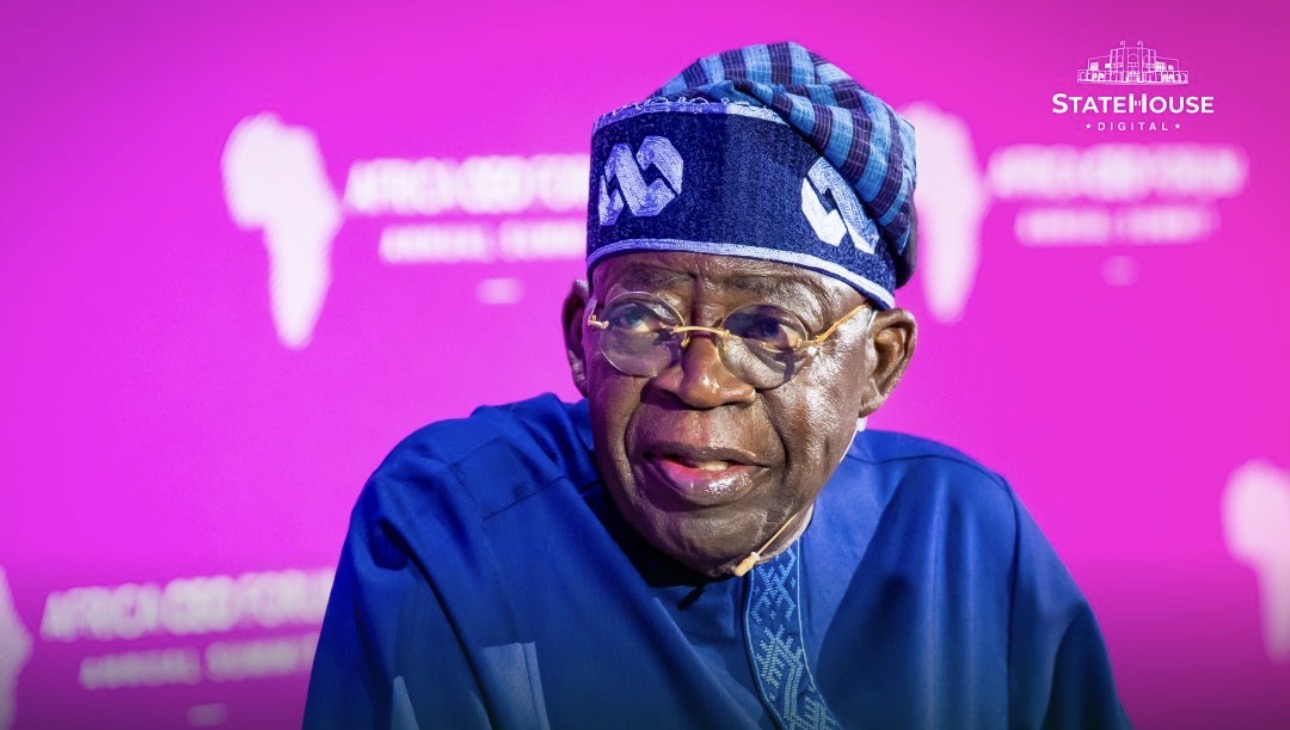
- President Bola Tinubu has announced plans to stop Nigeria from exporting raw cocoa beans, unveiling a strategy to expand local processing.

President Bola Tinubu has declared that Nigeria will no longer rely on exporting raw cocoa beans while importing finished chocolate products, unveiling an ambitious strategy to strengthen local processing, industrialisation and value addition across the cocoa sector.
The President, represented by the Minister of Agriculture and Food Security, Senator Abubakar Kyari, made the announcement on Tuesday at the Cocoa Value Addition Summit 2026 in Abuja.
Speaking at the summit, themed “From Bean to Brand: The Bean in My Hand, The Brand in Our Future,” Tinubu said Nigeria must move beyond exporting raw agricultural commodities and begin capturing more value through domestic manufacturing and branding.
He noted that although Africa produces about 70 per cent of the world’s cocoa, the continent receives only a small share of the more than $130 billion global chocolate market because processing and manufacturing are largely done overseas.
“Nigeria will no longer export raw beans while importing finished value. We will grind our beans at home, press our butter at home, make our chocolate at home, brand it at home and sell it to the world on our own terms,” the President said.
Tinubu pointed to ongoing investments in the sector, including a 70,000-tonne cocoa processing facility under construction in Sagamu, which he described as the largest in Nigeria’s history. He added that the country’s cocoa grinding capacity has already exceeded 120,000 tonnes annually and continues to expand.
According to the President, more than 300,000 Nigerian farming families cultivate cocoa across over 1.4 million hectares, with the country accounting for about six to seven per cent of global cocoa production.
He said cocoa generated more than ₦3 trillion in export earnings when global prices exceeded $10,000 per tonne, contributing significantly to Nigeria’s non-oil exports. However, he stressed that exporting raw beans alone is no longer sustainable if Nigeria hopes to maximise economic benefits.
Tinubu assured investors that Nigeria is open for business and committed to building a globally competitive cocoa industry capable of generating jobs, increasing foreign exchange earnings and supporting economic diversification.
Also speaking at the summit, the Minister of State for Industry, Senator John Owan Enoh, said the initiative aligns with the Federal Government’s industrial policy aimed at expanding domestic manufacturing and reducing dependence on raw commodity exports.
He emphasised that Nigeria’s focus should no longer be on the quantity of cocoa exported but on the value created through local processing and manufacturing.
The minister also revealed that the Federal Government is working with Ghana, Côte d’Ivoire and Cameroon to establish a regional cocoa alliance that would collectively control about 75 per cent of global cocoa production, strengthening Africa’s influence in international markets.
Meanwhile, the Managing Director of the Bank of Industry, Dr. Olasupo Olusi, announced that the bank is ready to provide long-term financing to support investments across the cocoa value chain.
He disclosed that the bank has secured a €60 million credit facility from the European Investment Bank to finance cocoa processing, ingredient manufacturing, packaging and chocolate production.
Olusi noted that although Nigeria produces more than 300,000 tonnes of cocoa annually, only a fraction is processed locally, leaving significant opportunities for value addition.
The summit concluded with the adoption of the Cocoa Value Addition Accord and the proposed Abuja Declaration, aimed at accelerating domestic cocoa processing, attracting investment, improving farmers’ incomes and strengthening collaboration among Africa’s leading cocoa-producing nations.
The Tinubu administration says the reforms are central to its goal of building a $1 trillion economy by expanding non-oil exports, creating jobs and increasing Nigeria’s foreign exchange earnings.





IPOB Embraces Hausa Nation and All Northern Ethnic Nationalities in Historic Solidarity Declaration for Universal Freedom
IPOB has declared solidarity with Hausa people and other ethnic nationalities in Northern Nigeria, calling for a peaceful...

Nnamdi Kanu’s Legal Team Raises Fresh Questions Over Omotosho’s Judgment in Part 3 Commentary
Onyedikachi Ifedi, Esq., has questioned the legal basis of Nnamdi Kanu’s conviction, alleging irregularities involving Count 7....


IPOB Denies Plans to Resume Monday Sit-at-Home, Rejects Alleged Police Intelligence Report
IPOB has dismissed a purported police intelligence report alleging plans to resume Monday sit-at-home enforcement in the South-East...


‘No Negotiations, Only Referendum’ — Kanu’s Message to American Veterans of Igbo Descent
IPOB leader Nnamdi Kanu has reaffirmed his demand for a referendum on Biafra's self-determination, insisting he will reject any political...


IPOB Condemns NYSC Abductions in Imo, Accuses Uzodinma of Political Conspiracy
IPOB has condemned the reported abduction and rescue of NYSC members in Imo State, denying involvement and accusing Governor Hope...

Ambrose Alli University Lecturer Dies in Hotel Room After Sexual Encounter With 21-Year-Old Woman
A senior lecturer at Ambrose Alli University, Ekpoma, Dr Matthew Uwuigbe, has died in a hotel room in Edo State...

Omotosho’s First Jurisdictional Failure — The Court Lacked Authority to Try Kanu
The Mazi Nnamdi Kanu Global Legal Consortium has alleged that the Federal High Court lacked jurisdiction to try Kanu on...

‘No Government Without a Country’: IPOB Rejects Self-Appointed Biafra Government Officers
Mazi Chris Nwaọgụ has reiterated IPOB’s demand for Nnamdi Kanu’s freedom and Biafra’s restoration, while calling for Kanu’s appeal to...

Sokoto Declaration: Emma Powerful Dismantles False Claims, Reaffirms Onyendu Mazi Nnamdi Okwu Kanu’s Referendum Position
Kanu’s camp has rejected claims that he did not approve or co-sign the Sokoto Declaration, while stressing that he does...

Kanu’s Unlawful Conviction, the Law That Was Already Dead, and the Shame That Is Waiting for Nigeria’s Judiciary
Christopher Chidera, Esq., has challenged the legal basis of Nnamdi Kanu’s conviction, arguing that the trial court relied on a...