
World News
Trump Announces Outline of Deal to End Iran War: What We Know So Far
Trump says he has paused planned U.S. strikes on Iran after an outline of a possible deal to end the Iran war was reached. Here is what we know so far.

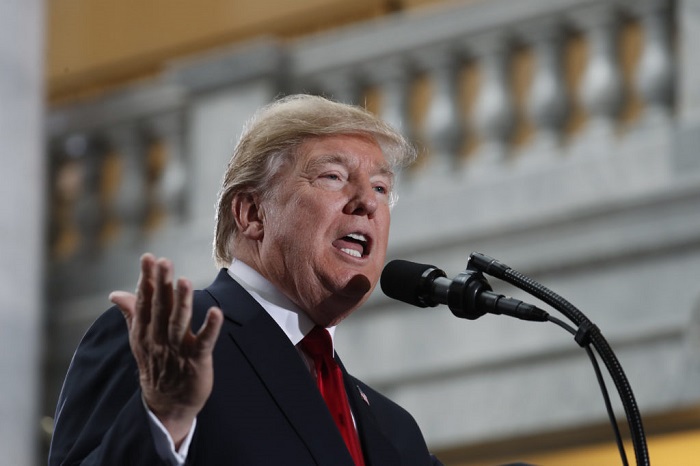
- Trump says he has paused planned U.S. strikes on Iran after an outline of a possible deal to end the Iran war was reached. Here is what we know so far.

United States President Donald Trump has announced that he will hold off on planned military strikes against Iran after what he described as the “parameters” of a possible deal to end the Iran war were reached.
The announcement was made in a social media post on Saturday evening, August 1, 2026, and has quickly become one of the biggest global stories of the day.
According to reports by the Associated Press and Axios, Trump said the emerging deal would include the full reopening of the Strait of Hormuz and an end to Iran’s nuclear threat.
However, the agreement is not yet final. Iran has not publicly confirmed Trump’s announcement, and major details of the possible deal remain unclear.
What Trump Said
Trump said he agreed to cancel a planned attack on Iran after Iran and other Middle Eastern countries reportedly asked the United States to hold off because the outline of a deal had been reached.
He said the possible agreement would include the “immediate, complete and total” reopening of the Strait of Hormuz, one of the world’s most important oil shipping routes.
Trump also said Israel had agreed to join the United States in trying to complete the agreement with Iran.
Has Iran Accepted the Deal?
Not yet, at least not publicly.
As of the latest reports, Iran has not issued an official public reaction confirming that it has accepted the deal or agreed to all the terms Trump mentioned.
This is important because Trump’s statement does not mean the war is already over. It means the United States is pausing planned strikes while negotiations continue.
Why the Strait of Hormuz Matters
The Strait of Hormuz is a narrow but extremely important waterway between Iran and Oman. A large share of the world’s oil supply passes through it.
Any attack, blockade or disruption in the Strait can affect global oil prices, shipping costs and fuel prices in many countries, including Nigeria.
This is why the possible reopening of the Strait is a major part of the proposed deal.
Why Trump Paused the Attack
Reports say Trump had been considering new military strikes against Iran’s infrastructure and energy facilities.
But the plan raised serious concerns among Middle Eastern allies, especially Saudi Arabia.
Saudi Crown Prince Mohammed bin Salman reportedly spoke with Trump and expressed concern that a major U.S. strike could trigger Iranian retaliation against energy infrastructure in Gulf countries.
Axios also reported that Qatar, the United Arab Emirates, Turkey and Pakistan had pushed for de-escalation.
What Could Be in the Deal?
Based on Trump’s statement and reports so far, the possible deal may include:
- Reopening the Strait of Hormuz
- Ending or limiting Iran’s nuclear threat
- A pause in U.S. and Israeli strikes
- A broader ceasefire framework
- Further negotiations between Iran, the U.S. and regional powers
But these points are still not final until all sides officially confirm them.
Why This Matters to Nigeria
The Iran war matters to Nigerians because Middle East tension can affect global oil and fuel prices.
If the Strait of Hormuz remains disrupted, global crude oil prices could rise. That may increase pressure on imported fuel, shipping costs and inflation.
But if the deal succeeds and tensions reduce, oil markets may calm down. That could help reduce pressure on fuel prices and foreign exchange demand.
Is the Iran War Over?
No. It is too early to say the war is over.
The more accurate position is that Trump has paused planned U.S. strikes while negotiations continue.
The conflict remains tense, and reports say there have still been attacks and security warnings in the region.
The U.S. State Department also issued security alerts for Americans in several Middle Eastern countries because of possible travel disruptions, airspace closures and further attacks.
Conclusion
Trump’s announcement is a major development, but it is not yet a final peace deal.
For now, the United States has paused planned strikes on Iran after a possible outline of a deal emerged. The biggest issues remain the reopening of the Strait of Hormuz, Iran’s nuclear programme and whether Tehran will formally accept the terms.
Until Iran responds officially, the situation remains fragile.
FAQs
Did Trump end the Iran war?
No. Trump announced that he is pausing planned U.S. strikes while a possible deal is being negotiated.
What is the main part of the proposed Iran deal?
The proposed deal may include reopening the Strait of Hormuz and addressing Iran’s nuclear threat.
Has Iran accepted the deal?
Iran has not publicly confirmed acceptance of the deal as of the latest reports.
Why is the Strait of Hormuz important?
It is one of the world’s most important oil shipping routes. Any disruption can affect global fuel and oil prices.
Can this affect fuel prices in Nigeria?
Yes. Middle East tension can affect global oil prices, shipping and fuel costs, which may indirectly affect Nigeria.






VIDEO: ‘Wear Only APC Cap or Face Consequences’, Edo LG Chairman Threatens Drivers
The chairman of Esan West Local Government Area of Edo State, Blessing Ebhodaghe, has directed commercial drivers in the council...

IPOB: 2027 Election Is No Substitute for a Referendum — Let the Peoples Decide
IPOB has called for a referendum to allow Nigerians and the country’s constituent peoples to decide the political arrangement under...

Sanwo-Olu, Fashola, Ambode, Others Named in Lagos APC 2027 Campaign Council (Full List)
The Lagos State chapter of the APC has unveiled its campaign council ahead of the 2027 general elections, naming Governor...

South African Woman Jailed 25 Years for Smuggling 5.75kg Heroin Into Nigeria
A Federal High Court in Abuja has sentenced 38-year-old South African woman Will Ann to 25 years in prison after...

NAFDAC Threatens to Shut Bakeries Over Banned Bread Improvers
NAFDAC has warned bakers in Niger State against using banned substances, including potassium bromate and saccharin, in bread production.


Meet Chelsea’s new owners, Clearlake Capital
Chelsea have entered a new ownership era after American investment firm Clearlake Capital acquired the stakes of Todd Boehly and...

JAMB Explains ‘Not Admitted’, ‘Admission in Progress’ and ‘Admitted’ Statuses
JAMB has explained what “Not Admitted,” “Admission in Progress” and “Admitted” mean on candidates’ CAPS, advising applicants to keep checking...

Peter Obi Advises Nigerians on Dangote Refinery IPO
Former Anambra State governor Peter Obi has urged Nigerians at home and abroad to consider investing in the ongoing Dangote...

14 Days to Keep Him in Custody, Endless Silence to Hear Him: How Nigeria’s Court of Appeal Built a Cage — Then Locked the Courtroom Door
A lawyer, Onyedikachi Ifedi, has challenged the legal basis of Nnamdi Kanu’s conviction, alleging reliance on a repealed law and...


Atiku Reveals What He Discussed With Aisha Buhari During Abuja Meeting
Former First Lady Aisha Buhari has visited former Vice-President and African Democratic Congress (ADC) presidential candidate Atiku Abubakar in Abuja.