
News
PFIPC Probe: CBN Reveals How It Opened Foreign Accounts for ‘Fake Agency’ as ICPC Questions Gbajabiamila
The Central Bank of Nigeria has confirmed opening two foreign accounts for the controversial Presidential Foreign Investment Promotion Council (PFIPC).

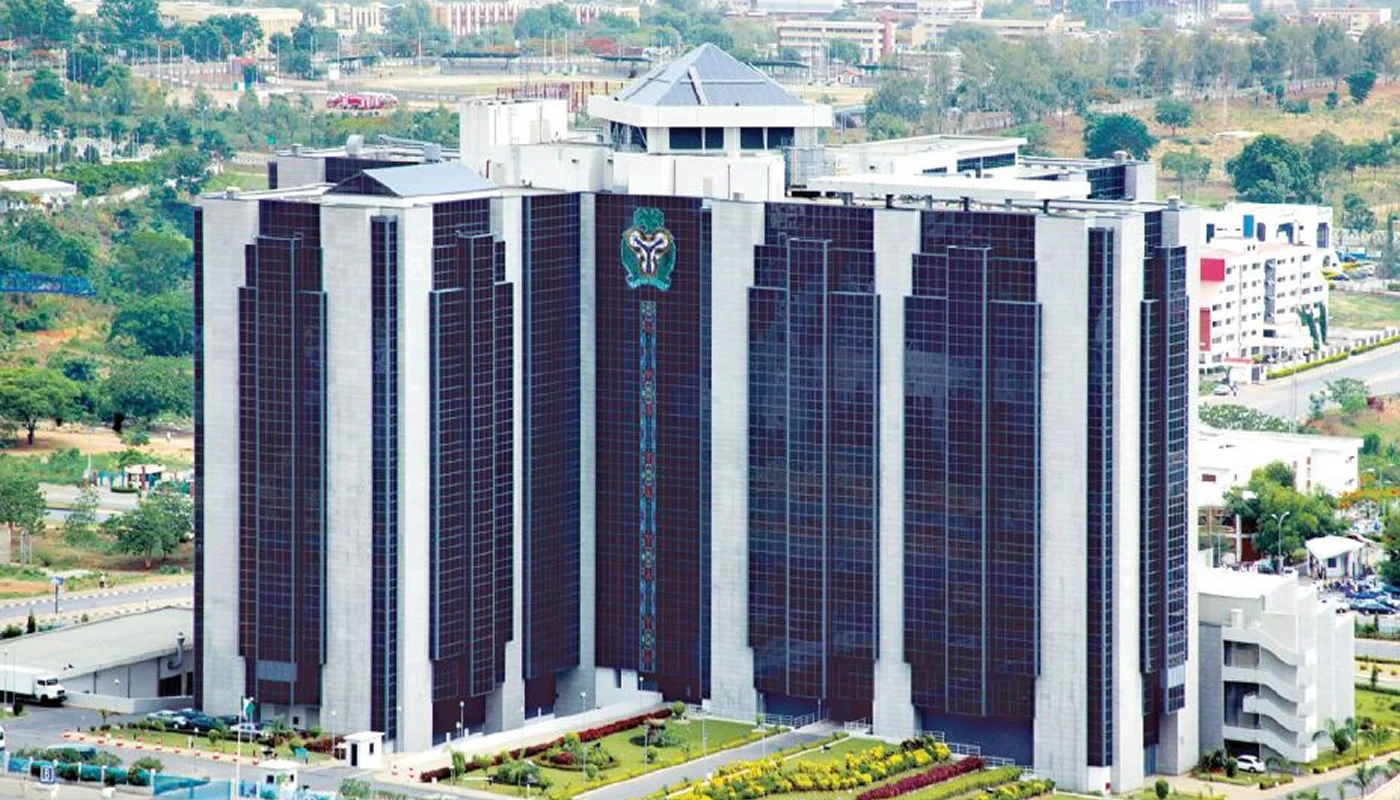
- The Central Bank of Nigeria has confirmed opening two foreign accounts for the controversial Presidential Foreign Investment Promotion Council (PFIPC).
- Chief of Staff Femi Gbajabiamila appeared before the ICPC over the ongoing investigation into the alleged fake agency.

The Central Bank of Nigeria (CBN) has confirmed that it opened two foreign-currency domiciliary accounts for the controversial Presidential Foreign Investment Promotion Council (PFIPC), even as Chief of Staff to the President, Femi Gbajabiamila, appeared before the Independent Corrupt Practices and Other Related Offences Commission (ICPC) over the ongoing investigation into the alleged fictitious agency.
The revelation was made on Monday during a public hearing by the House of Representatives Ad-hoc Committee investigating the existence and operations of the PFIPC.
Representing the apex bank, Director of Banking Services, Hamisu Ibrahim, told lawmakers that the accounts—one in U.S. dollars and another in British pounds—were opened after receiving a mandate from the Office of the Accountant-General of the Federation.
“On July 30, 2025, we received a mandate dated July 29, 2025 from the Office of the Accountant-General. We received the mandate to authorise two accounts, one a US dollar domiciliary account, the other a pound domiciliary account, for the Presidential Economic Advisory Council/Presidential Foreign Investment Promotion Council,” Ibrahim said.
He explained that the accounts underwent the bank’s standard verification process but were never activated because the required documentation and authorised signatories were not submitted.
“The accounts remain inactive, with zero balance. There have been no foreign exchange allocations. The accounts have maintained zero balance from inception to date and have never recorded any inflow or outflow,” he told the committee.
The disclosure contradicted an earlier submission by Accountant-General Shamseldeen Ogunjimi, who had maintained that no accounts were opened in the council’s name.
Also testifying before the committee, the Head of the Civil Service of the Federation, Didi Walson-Jack, said her office never allocated office space to the PFIPC.
She explained that the address reportedly used by the council at the Federal Secretariat Phase III actually belongs to the Office of the Secretary to the Government of the Federation (OSGF).
Walson-Jack, however, acknowledged that the council submitted documents during the 2025 Annual Manpower Budget Defence Exercise, leading to the issuance of an authorised establishment for 314 positions and a recruitment waiver, although no staff were deployed or recruitment approved.
Following the hearing, committee chairman Yusuf Gagdi directed the Secretary to the Government of the Federation, George Akume, alongside the Inspector-General of Police, Attorney-General of the Federation, Minister of Finance and other senior officials, to appear before the panel on Thursday.
Meanwhile, Gbajabiamila honoured an invitation from the ICPC as part of President Bola Tinubu’s directive ordering a probe into the PFIPC scandal.
His lawyer, Jiti Ogunye, confirmed that the Chief of Staff appeared before investigators, answered questions and returned to his official duties.
“My client gave his testimony, responded to questions accordingly, and has returned to his duty post,” Ogunye said.
Sources within the anti-corruption agency said Gbajabiamila voluntarily provided information relevant to the investigation.
The Chief of Staff’s appearance came as he filed a ₦15 billion defamation suit against Adeyemi, the alleged promoter of the fake agency, over claims that he demanded kickbacks from the council’s purported take-off grant.
Gbajabiamila has denied the allegations, insisting he never met or communicated with Adeyemi and is seeking damages as well as a public retraction and apology.






2027: North Will Reject Tinubu and His Money — Hakeem Baba-Ahmed Says
Hakeem Baba-Ahmed has accused Tinubu’s administration of neglecting Northerners and warned against financial inducements...


Abia PDP Candidate Anosike Pledges to Reopen Ukwa East Oil Wells, Revive Industries
Abia PDP governorship candidate Kelechi Anosike has promised to pursue the reopening of capped oil wells, revive Abia Palm and...

₦70,000 No Longer Enough: NLC Gives FG Two Weeks to Act on Petrol Prices, Wages
The NLC says rising living costs have eroded the ₦70,000 minimum wage, insisting its ultimatum over petrol prices and fresh...


IPOB Embraces Hausa People, Backs Self-Determination for All Ethnic Groups
The Indigenous People of Biafra (IPOB) has declared its solidarity with the Hausa people and other ethnic nationalities in Northern...


IPOB-Hausa Brotherhood: Writer Traces Historical Ties, Renews Call for Biafra Referendum
A Nigerian writer, Khaleed Yazeed, has argued that historical trade relations between the Igbo and Hausa peoples provide a basis...


IPOB: No Hausa, No Jukun, No Birom Has Ever Ruled Nigeria — Their Turn Will Never Come Under This System
The Indigenous People of Biafra (IPOB) has renewed its demand for a referendum on Biafran self-determination, while calling for the...


Catholic Priest Dies as Cross Falls on Him During Livestreamed Mass
A Catholic Priest Father Patricio Sánchez Molinari died after a large wooden cross fell on him while he celebrated Mass...
IPOB Embraces Hausa Nation and All Northern Ethnic Nationalities in Historic Solidarity Declaration for Universal Freedom
IPOB has declared solidarity with Hausa people and other ethnic nationalities in Northern Nigeria, calling for a peaceful...


Nnamdi Kanu’s Legal Team Raises Fresh Questions Over Omotosho’s Judgment in Part 3 Commentary
Onyedikachi Ifedi, Esq., has questioned the legal basis of Nnamdi Kanu’s conviction, alleging irregularities involving Count 7....


IPOB Denies Plans to Resume Monday Sit-at-Home, Rejects Alleged Police Intelligence Report
IPOB has dismissed a purported police intelligence report alleging plans to resume Monday sit-at-home enforcement in the South-East...