
Business
NEC Approves $4.5bn Refinancing of Nigeria’s Oil-Backed Loan
Nigeria’s oil-backed loan refinancing explained: how crude-backed loans work, why the government is seeking cheaper debt, and what it means for the naira and economy.

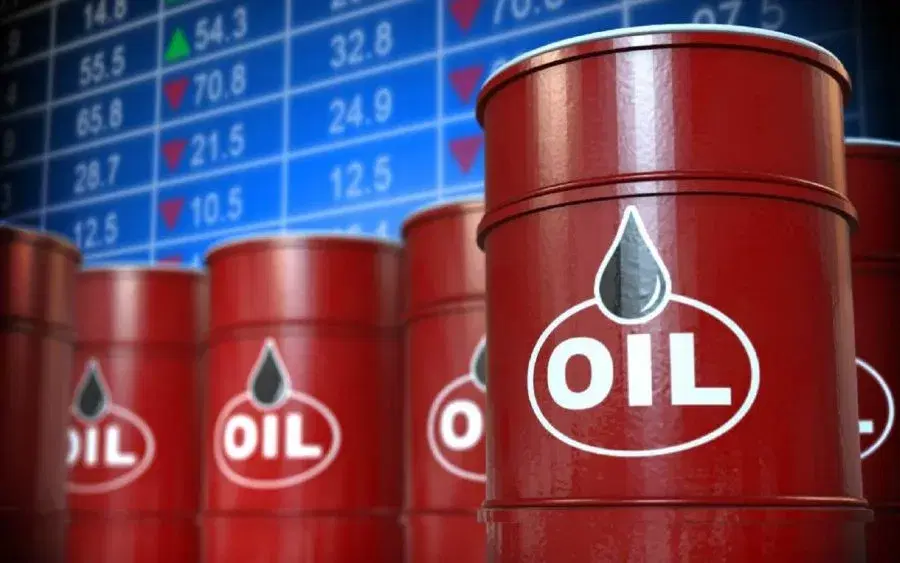
- Nigeria’s oil-backed loan refinancing explained: how crude-backed loans work, why the government is seeking cheaper debt, and what it means for the naira and economy.

Nigeria’s borrowing strategy is back in focus as the Federal Government continues to explore refinancing options for expensive debt obligations, including facilities tied to oil revenue and other structured financing arrangements.
The debate has become more important because debt servicing continues to take a major share of government revenue, while the country still needs funding for infrastructure, budget support and foreign exchange stability.
What Is an Oil-Backed Loan?
An oil-backed loan is a borrowing arrangement where future crude oil sales are used to repay a loan.
In simple terms, the lender gives Nigeria money upfront, while repayment is made later through crude oil cargoes, oil revenue or related commercial arrangements.
Nigeria has used such facilities in the past to raise foreign exchange, support the naira and fund government obligations.
Why Nigeria Is Refinancing Debt
The government is trying to reduce pressure from expensive loans by replacing some costly obligations with cheaper or longer-term financing.
This can help Nigeria:
- Reduce short-term debt pressure
- Access foreign currency liquidity
- Support budget implementation
- Fund infrastructure projects
- Ease pressure on the naira
- Manage high-interest debt more carefully
However, refinancing does not erase debt. It only changes the structure, cost or repayment timeline.
The $5bn UAE Financing Angle
Nigeria has already accessed part of a $5bn financing arrangement with First Abu Dhabi Bank.
The facility is expected to support budget implementation, infrastructure projects and refinancing of expensive debts.
Unlike a normal Eurobond, the arrangement is structured as a total return swap, with Nigerian government securities used as collateral. This gives the government access to dollar liquidity, but it also raises concerns about transparency and future repayment risks.
Why Nigerians Should Care
This matters because Nigeria’s debt choices affect the economy directly.
If refinancing lowers borrowing costs, it could free up more money for roads, power, education, health and social programmes.
But if the terms are unclear or too expensive in the long run, it could increase pressure on future revenues and make it harder for the government to fund basic services.
The Risk With Oil-Backed Loans
Oil-backed loans can provide quick foreign exchange, but they also come with risks.
The biggest concerns include:
- Future crude oil revenue may already be committed
- Lower oil prices can make repayment harder
- Oil production shortfalls can create pressure
- Details of the agreements may not be fully public
- Federation Account inflows may be affected
This is why many analysts continue to demand transparency around crude-backed borrowing.
What Happens Next?
The government is expected to keep using refinancing as part of its wider debt-management strategy.
For Nigerians, the key things to watch are:
- How much Nigeria actually borrows
- The interest rate attached to the facility
- The repayment timeline
- Whether crude oil or securities are pledged
- How transparent the agreement is
- Whether the funds are used for productive projects
FAQs
What is Nigeria’s oil-backed loan?
It is a loan arrangement where repayment is tied to crude oil sales or oil-related revenues.
Why is Nigeria refinancing debt?
Nigeria is refinancing to reduce expensive debt pressure, support the budget and improve access to foreign currency.
Does refinancing mean the debt is gone?
No. It means the debt is restructured, replaced or extended under different terms.
Can oil-backed loans affect the economy?
Yes. They can provide quick liquidity, but they may also reduce future oil revenue available to government.
Is the $5bn UAE facility the same as an oil-backed loan?
No. It is structured differently, but it is part of Nigeria’s broader alternative financing and debt-refinancing strategy.





BREAKING: Atiku Appoints El-Rufai, Hayatu-Deen in ADC Presidential Campaign Council
Atiku Abubakar has announced the appointment of Nasir el-Rufai and Mohammed Hayatu-Deen to key positions in his African Democratic Congress,...

NECO Releases 2026 SSCE Results, Records Drop in Examination Malpractice
NECO has released the 2026 SSCE results, with 1,496 candidates recorded for examination malpractice, representing a 64.74% decrease from 2025.


PHOTOS: Anthony Joshua Endures ‘Torture’ Training Ahead of Fury Fight
Anthony Joshua has stepped up his preparations for a potential Tyson Fury showdown with an unusual stretching machine that has...


Umahi Orders Tinubu’s Pictures on First Niger Bridge
Works Minister David Umahi has ordered that President Bola Tinubu’s pictures be displayed on the First Niger Bridge after its...

INEC to Deploy Intelligence Against Vote Buying Ahead of 2027 Elections
INEC Chairman Joash Amupitan says the commission will activate intelligence operations and pursue a joint task force to tackle vote...

Diverting Tithes, Offerings, Others to Private Businesses is a Criminal Offence – EFCC Warns Churches
The Economic and Financial Crimes Commission, EFCC, has warned religious leaders against diverting tithes, offerings, zakat and other funds entrusted...


Enugu Air Launches First International Flight to Cameroon
Enugu Air, Enugu Airport, Douala, Cameroon, Nigeria-Cameroon, International Flight, Peter Mbah, Enugu State, Akanu Ibiam International Airport,


Canadian Government Warns Citizens Against Buying Alcohol in Nigeria
The Canadian government has warned its citizens travelling to Nigeria to be cautious about where they buy alcohol following reports...

Kanu Was Discharged. The Courts Refused to Let the Law Stand.
A lawyer, Christopher Chidera, has challenged the legal foundation of Nnamdi Kanu’s conviction, questioning how quashed charges and a repealed...

2027: OK Movement Rejects NDC Takeover, Vows to Keep Its Structures
The Obi-Kwankwaso Movement has rejected calls for support groups to operate under the Nigeria Democratic Congress, insisting that it will...