
News
Elochukwu Ohagi Describes Nnamdi Kanu as ‘Anointed Builder’ in Biafran Cenotaph Tribute
Elochukwu Ohagi has described Nnamdi Kanu as an “anointed builder” and “divine instrument” in the struggle for Biafran restoration, highlighting his connection to the Cenotaph in Enugu.

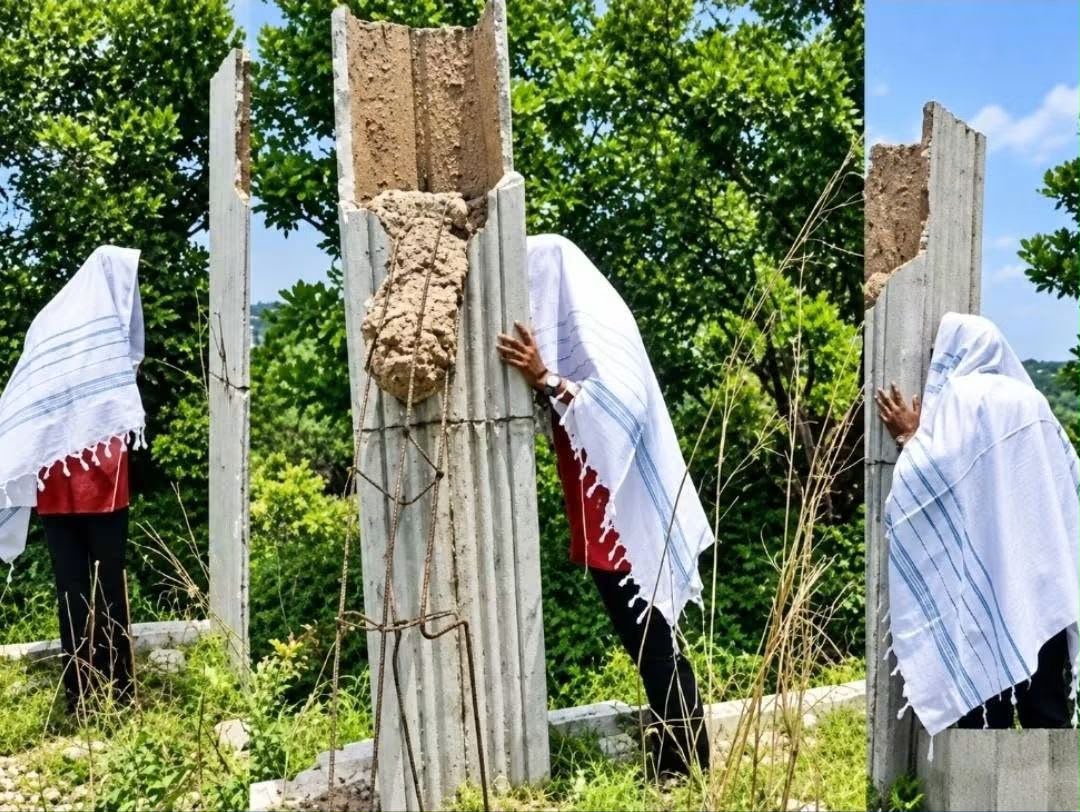
- Elochukwu Ohagi has described Nnamdi Kanu as an “anointed builder” and “divine instrument” in the struggle for Biafran restoration, highlighting his connection to the Cenotaph in Enugu.

Elochukwu Ohagi, a philosopher, teacher and activist, has described the detained leader of the Indigenous People of Biafra (IPOB), Mazi Nnamdi Kanu, as an “anointed builder” and a spiritual figure in the struggle for Biafran restoration.
Ohagi made the assertions in a 2026 commentary titled “The Anointed Builder: Mazi Nnamdi Kanu and the Spiritual Ark of a Forgotten Nation,” in which he reflected on Kanu’s visit to the Cenotaph in Enugu following his release on bail in April 2017.
According to Ohagi, the Cenotaph held particular significance because it was dedicated to remembering victims of the Nigerian-Biafran War whose remains were never recovered or formally buried.
He described a cenotaph as a monument erected in honour of people whose remains are buried elsewhere or were never recovered, noting that the word derives from the Greek expression for “empty tomb.”
Ohagi claimed that Kanu’s first major visit after returning to Biafran territory following his release on bail was to the Cenotaph in Enugu.
He argued that the visit demonstrated Kanu’s alleged commitment to remembering victims of the war and preserving the memory of those who died without proper burial.
The writer further stated that the monument was erected and unveiled by Kanu in 2014, a period he described as significant in the development of the Biafran movement.
Ohagi said the monument was intended to honour people who died during the conflict, including soldiers and civilians whose bodies were reportedly never recovered.
He cited Chimamanda Ngozi Adichie’s novel Half of a Yellow Sun as a literary representation of the experiences of civilians during the war, particularly through the story of Odenigbo’s mother.
According to Ohagi, the story reflects the wider experiences of families who lost relatives during the conflict without the opportunity to give them traditional burials.
The activist described Kanu’s connection to the Cenotaph in explicitly spiritual terms, saying the IPOB leader had previously envisioned the location as a “spiritual ark” and a future worship centre following the restoration of Biafra.
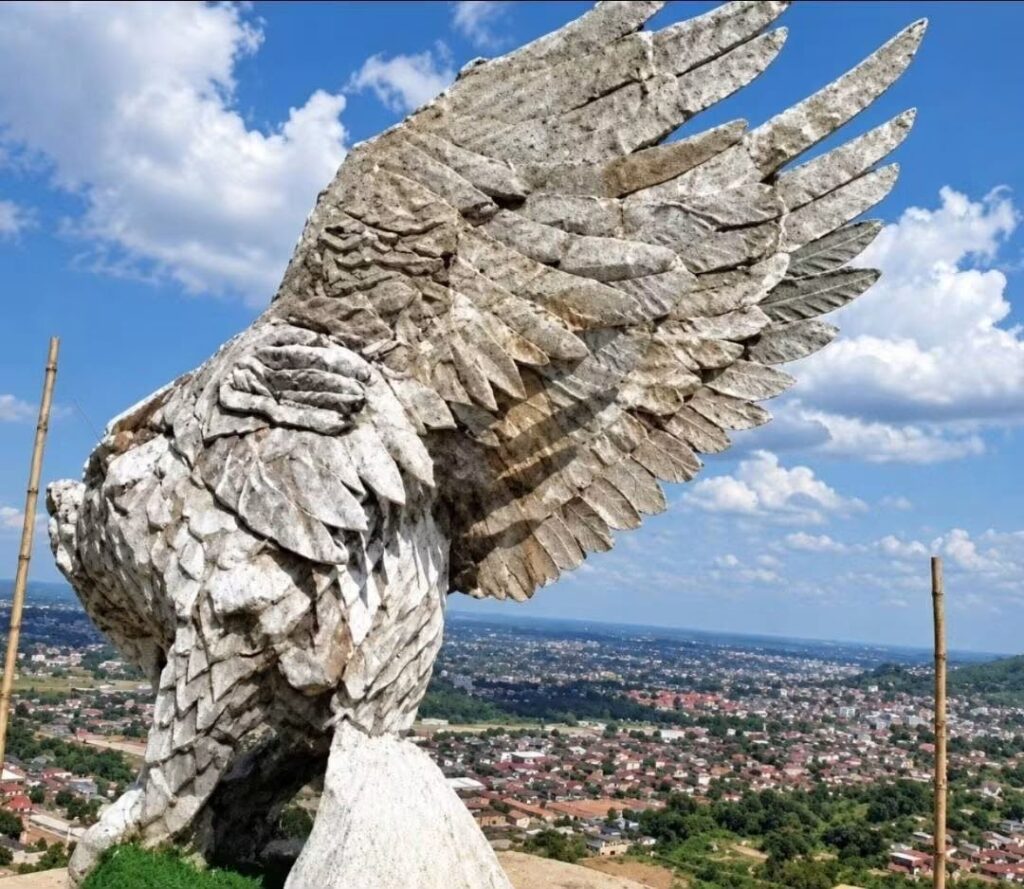
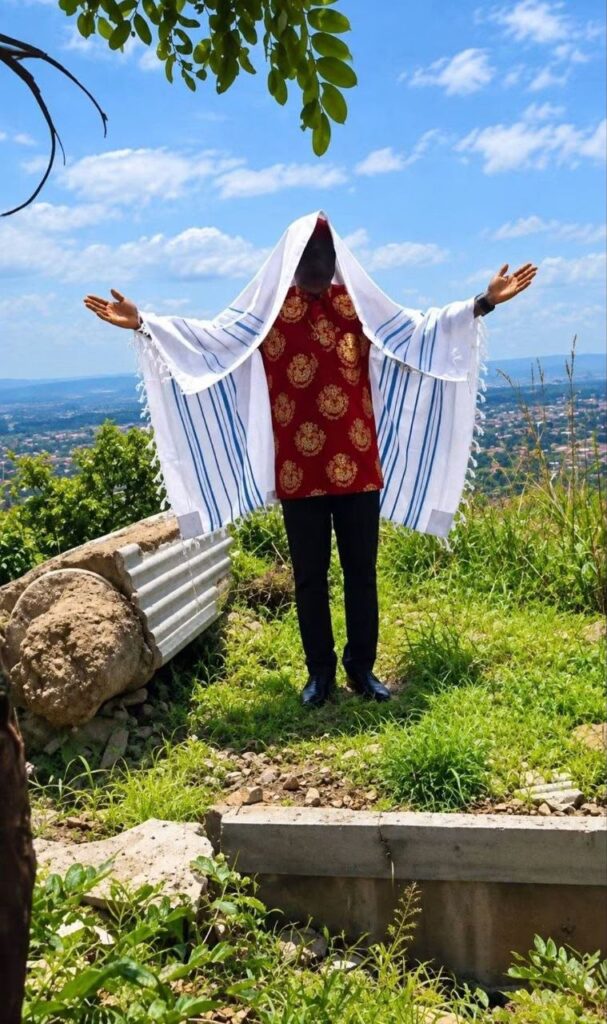
Ohagi also recalled Kanu’s reported prayer at the site in April 2017, portraying the moment as symbolic of a leader returning to a place associated with the memory of the dead.
However, the commentary also contained criticism of Ralph Uwazuruike-led MASSOB.
Ohagi alleged that the organisation destroyed the monument and described the incident as an example of what he characterised as “betrayal” within the Biafran movement.
He further criticised political leaders in the South-East, arguing that successive governments had failed to establish a major memorial site for the millions of people he claimed died during the Nigerian-Biafran War.
Ohagi estimated that more than three million Biafrans died during the conflict and argued that the absence of a major resting place or memorial for the victims represented a failure to preserve their memory.
He contrasted what he described as the failure of political authorities with Kanu’s efforts to establish a memorial, portraying the IPOB leader as someone who sought to preserve the memory of the war’s victims.
The writer ultimately presented Kanu as more than a political activist, describing him as a “divine instrument” for what he called the restoration of Biafra.
Ohagi concluded his commentary by expressing support for Kanu and IPOB and calling for continued recognition of the historical experiences of those who died during the civil war.
The commentary was signed by Elochukwu Ohagi, Philosopher, Teacher and Activist, 2026.





Elochukwu Ohagi Describes Nnamdi Kanu as ‘Anointed Builder’ in Biafran Cenotaph Tribute
Elochukwu Ohagi has described Nnamdi Kanu as an “anointed builder” and “divine instrument” in the struggle for Biafran restoration, highlighting...

Delta Commissioner, Three Others Arrested Over Deputy Director’s Death
Five suspects are now in custody, while police have declared two others wanted as investigations into the ministry official’s death...

Kanu Family Fires Back: ‘No Statutory Transition Means No Valid Sentence’
The Okwu-Kanu Family has called for the immediate hearing of Nnamdi Kanu’s appeal, questioning the written law underpinning his conviction...

IPOB Accuses Nigerian Judiciary of ‘Judicial Banditry’ Over Nnamdi Kanu Conviction
IPOB has accused the Nigerian judiciary of violating constitutional provisions in Nnamdi Kanu’s conviction, questioning the legal basis of the...

IPOB: Nnamdi Kanu Must Be Released Unconditionally, Appeal Must Be Listed — Chris Nwaọgụ
IPOB has renewed its demand for the immediate and unconditional release of Nnamdi Kanu, while calling for his pending appeal...
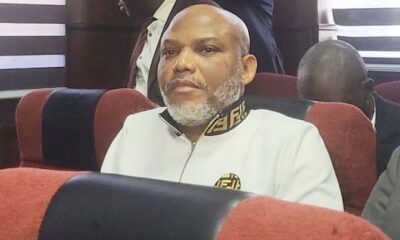

‘Show Me the Law’ Is Not a Joke — It Is Section 36, Section 122, and the Supreme Court, Spoken from the Dock
Ifedi argues that Kanu’s conviction relied on a repealed terrorism law, raising fundamental constitutional questions about its validity.
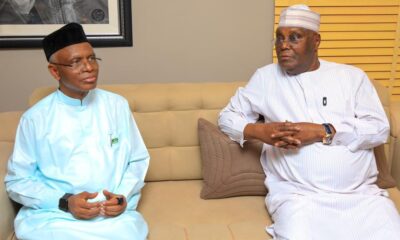

BREAKING: Atiku Appoints El-Rufai, Hayatu-Deen in ADC Presidential Campaign Council
Atiku Abubakar has announced the appointment of Nasir el-Rufai and Mohammed Hayatu-Deen to key positions in his African Democratic Congress,...

NECO Releases 2026 SSCE Results, Records Drop in Examination Malpractice
NECO has released the 2026 SSCE results, with 1,496 candidates recorded for examination malpractice, representing a 64.74% decrease from 2025.


PHOTOS: Anthony Joshua Endures ‘Torture’ Training Ahead of Fury Fight
Anthony Joshua has stepped up his preparations for a potential Tyson Fury showdown with an unusual stretching machine that has...
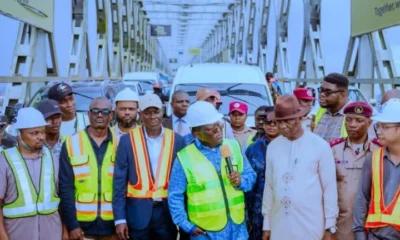

Umahi Orders Tinubu’s Pictures on First Niger Bridge
Works Minister David Umahi has ordered that President Bola Tinubu’s pictures be displayed on the First Niger Bridge after its...