
News
Military Salaries Hit ₦924bn as Tinubu Approves Pay Rise
President Bola Tinubu has approved a 30–80% salary increase for about 250,000 military personnel, raising the Armed Forces’ annual wage bill to ₦924 billion as retired generals.

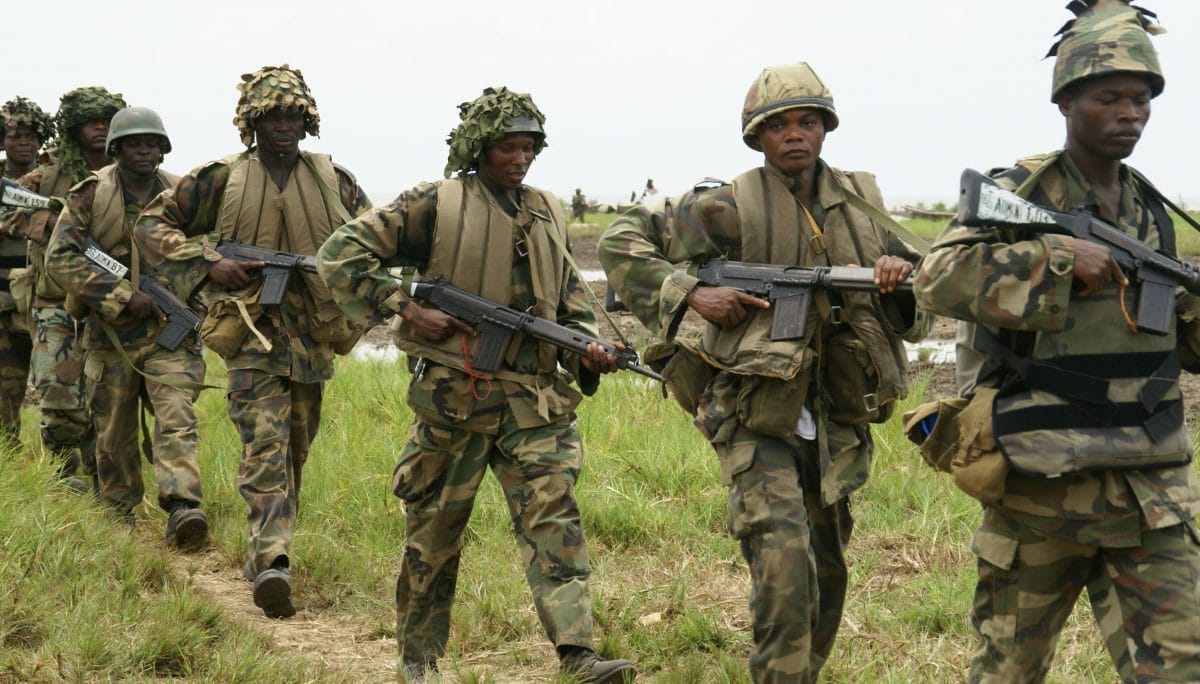
- President Bola Tinubu has approved a 30–80% salary increase for about 250,000 military personnel, raising the Armed Forces’ annual wage bill to ₦924 billion as retired generals.

President Bola Tinubu has approved a 30 to 80 per cent salary increase for about 250,000 personnel of the Armed Forces, raising the military’s annual wage bill from ₦660 billion to ₦924 billion in what is the biggest upward review of military salaries under his administration.
The new salary structure, which takes effect from September 1, 2026, grants the highest increase to junior personnel. Soldiers from the rank of Private to Staff Sergeant will receive an 80 per cent salary increase, personnel from Warrant Officer to Colonel will get 50 per cent, while senior officers from Brigadier General to General will receive 30 per cent more.
Announcing the package on Tuesday, the Presidency said the pay rise recognises the sacrifices military personnel continue to make in combating terrorism, banditry and kidnapping across the country.
Special Adviser to the President on Information and Strategy, Bayo Onanuga, said the graduated salary structure was deliberately designed to favour junior personnel, while increasing the Armed Forces’ annual personnel cost by ₦264 billion.
President Tinubu said the welfare of troops would remain a priority of his administration.
“The men and women who help to keep us safe in our homes must be supported and appreciated in the course of their duties to our nation,” the President said.
He added that his administration would continue to modernise the Armed Forces with advanced weapons and technology while strengthening national security.
The salary review has drawn praise from retired military officers, serving personnel and lawmakers, many of whom described it as a major morale booster.
The Minister of Defence, Mohammed Badaru, said the new package demonstrates the President’s commitment to improving troop welfare and strengthening Nigeria’s security architecture. He noted that the enhanced remuneration would reduce financial pressure on soldiers while improving operational effectiveness across various theatres of operation.
Retired military officers also welcomed the development but urged the Federal Government to complement the salary increase with improved logistics, modern weapons, accommodation, healthcare and insurance.
Former Director of Army Public Relations, Brig. Gen. Sani Usman (retd.), described the decision as timely, saying soldiers deserve to be among Nigeria’s best-paid public servants because of the hazardous nature of their duties.
Retired Commodore Omatseye Nesiama said the salary review would help bridge long-standing disparities in military remuneration, while retired Brig. Gen. Bashir Adewinbi noted that the increase would improve troop morale and make military service more attractive to young Nigerians.
However, retired Brig. Gen. George Emdin urged caution, stressing that previous welfare improvements had often suffered from poor implementation.
Serving military personnel also welcomed the announcement but said the real test would be the implementation of the new salary structure.
One officer said the pay rise was encouraging but insisted troops would celebrate only when the new salaries reflected in their bank accounts.
Another serving senior officer disclosed that his monthly salary would increase from ₦362,405.67 to ₦543,608.51 under the new structure, although he noted that military earnings still trail those of many professionals in the private sector.
Lawmakers also commended the salary review.
Chairman of the Senate Committee on Army, Senator Abdulaziz Yar’Adua, described the increase as a timely intervention that reflects the government’s commitment to troop welfare and military modernisation.
Similarly, Chairman of the Senate Committee on Defence, Senator Ahmad Lawan, said the graduated salary structure was fair because it provided greater incentives to junior personnel who shoulder much of the burden of frontline operations.
The salary increase comes amid growing calls for improved welfare for military personnel and follows recent efforts by the Tinubu administration to strengthen Nigeria’s security architecture through increased recruitment, military restructuring and enhanced operational capabilities.






Jehovah’s Witnesses Make Fresh Decision on Blood Transfusions
Jehovah’s Witnesses have announced a change concerning the four main components of blood.


BREAKING: FG Suspends 21 NSCDC Officers, Releases Full List
The Federal Government has suspended the Niger State Commandant of the NSCDC and 20 other officers following the deaths of...


FG Gives Fresh Update as 10-Member Panel Probes Deaths of 37 NSCDC Detainees
The Federal Government has constituted a 10-member independent committee to investigate the deaths of 37 suspected illegal miners...

Alex Otti Gives Fresh Update on Political Future, Says He Will Retire After Tenure
Abia State Governor Alex Otti has said he will retire from active politics after completing his tenure, ruling out a...

BREAKING: FG Plans Low-Key 66th Independence Celebration for Nigerians
President Bola Tinubu will address Nigerians in a nationwide broadcast on October 1 as the Federal Government prepares a low-key...

BREAKING: Youths Seeks Release of #EndSARS Report
Ogun youths have urged Governor Dapo Abiodun to make public the report of the state’s Judicial Panel of Investigation on...


Meet the 3 New Super Eagles Stars Set for Their First Nigeria Call-Up
George Ilenikhena, Isaac James and Moses Usor have earned their first Super Eagles invitations as Nigeria prepare for crucial 2026...

BREAKING: Tinubu Gives Fresh Order Over Deaths of 37 Miners
President Bola Tinubu has ordered a full and transparent investigation into the deaths of 37 miners in NSCDC custody in...


Burna Boy Set to Make History Again as He Headlines NFL’s First-Ever Paris Game
Nigerian Afrobeats superstar Burna Boy will return to Paris’ Stade de France in October to headline the halftime show for...

Dangote Refinery Reveals Why Falling Crude Prices May Not Hurt Its Profits
Dangote Refinery has assured prospective investors that a possible decline in crude oil prices after the US-Iran conflict will not...