
Business
Oil Prices Dip Below $90 as US–Iran Peace Hopes Grow, FCCPC Seeks Cheaper Petrol
Oil prices briefly fell below $90 a barrel as hopes of easing US–Iran tensions grew, prompting Nigeria’s consumer protection regulator to demand that lower costs benefit motorists.

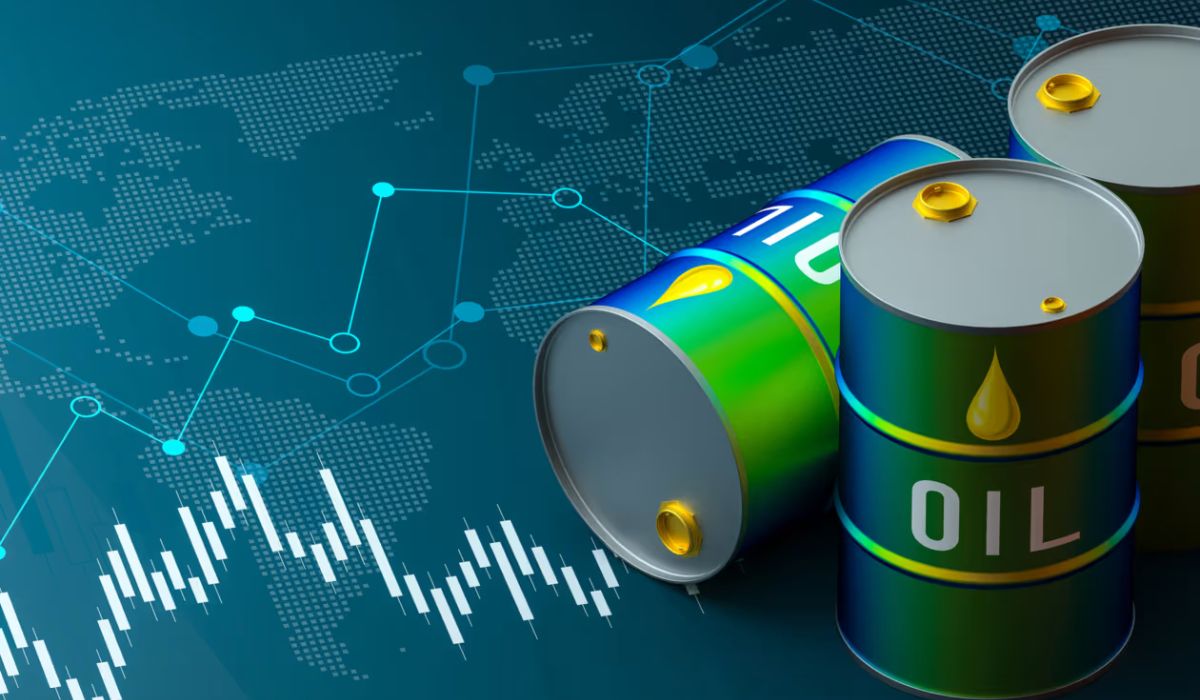
- Oil prices briefly fell below $90 a barrel as hopes of easing US–Iran tensions grew, prompting Nigeria’s consumer protection regulator to demand that lower costs benefit motorists.

Global oil prices came under renewed pressure on Tuesday as expectations of reduced tensions between the United States and Iran eased concerns about disruptions to Middle Eastern supplies.
Brent crude, the international benchmark, briefly fell below $90 per barrel for the first time since August before recovering some ground.
The decline reflected growing expectations of a possible de-escalation, alongside increased oil shipments from the region, according to market analysis reported by Axios.
Early reporting on Wednesday placed Brent near $92 per barrel, showing that Tuesday’s move below $90 was temporary rather than a sustained price throughout the latest trading period.
The market reaction followed comments by US President Donald Trump downplaying the likelihood of renewed attacks on Iran.
Reuters reported that his remarks accelerated Monday’s sell-off, as traders reassessed the risk of further disruption. However, expectations of peace did not amount to confirmation that a settlement had been reached or fighting had ended.
In Nigeria, the Federal Competition and Consumer Protection Commission said reductions in wholesale petrol costs should be reflected at filling stations without unnecessary delay.
The commission’s Executive Vice Chairman, Tunji Bello, made the position known in a statement issued on Tuesday, November 10.
He said the FCCPC was monitoring international crude prices following complaints and enquiries from consumers concerned about domestic fuel costs.
According to Bello, petroleum marketers had repeatedly linked increases in petrol prices to volatility caused by the Middle East conflict. He argued that sustained reductions should therefore benefit consumers.
The commission said it would work with the Nigerian Midstream and Downstream Petroleum Regulatory Authority and other agencies to monitor wholesale and retail prices.
Bello also warned that the FCCPC would act within its mandate where evidence showed anti-competitive behaviour or unfair practices preventing consumers from benefiting from lower costs.
The regulator’s statement did not announce a new nationwide pump price. For Nigerian motorists, the immediate development is increased scrutiny of how changes in international oil costs are reflected in domestic petrol pricing.






Wike Defends ₦10m Reward for Councillors, Rejects Vote-Buying Claims
Wike has defended his proposed ₦10m reward for councillors who deliver their wards for Tinubu in 2027, describing it as...


Kaduna Court Sentences Former Soldier Ruth Ogunleye Over TikTok Videos About NDA Commandant
A Kaduna court fined former soldier Ruth Ogunleye ₦500,000 over TikTok posts about the Nigerian Defence Academy commandant and set...

Oil Prices Dip Below $90 as US–Iran Peace Hopes Grow, FCCPC Seeks Cheaper Petrol
Oil prices briefly fell below $90 a barrel as hopes of easing US–Iran tensions grew, prompting Nigeria’s consumer protection regulator...

Ex-NNPC Boss Mele Kyari Speaks on Alleged Missing ₦210tn Amid Senate Probe
Mele Kyari told senators that the figures flagged in NNPC’s ₦210tn audit queries were accounting entries. The committee says it...


Zinoleesky Breaks Silence as Released Lil Frosh Call Sparks Marlian Records Controversy
Zinoleesky has responded to criticism over a recorded conversation with Lil Frosh released by VeryDarkMan, questioning the attention surrounding his...


Senate Makes Fresh Pledge to Flamingos After Historic World Cup Win
The Senate has announced ₦100m for the Flamingos after their historic World Cup win and urged the Federal Government to...


CAF Awards 2026: CAF Announces New Date for Lagos Ceremony
CAF Awards 2026 will now take place on December 2 in Lagos, five days earlier than planned, with winners to...

₦50,000 Relief Payment Faces Fresh Questions Over Funding, Transparency and Beneficiary Selection
The ₦50,000 relief payment has come under fresh scrutiny as transparency advocates demand clearer funding details, while an economist calls...

Two Convicted Inmates Escape From Kogi Prison
Two inmates escape from Kogi prison as the Nigerian Correctional Service launches a search and orders an investigation into the...

US Lawmakers Set Date For Hearing On Christian Persecution In Nigeria
US lawmakers will examine alleged Christian persecution in Nigeria at a November 12 hearing focused on Middle Belt insecurity and...