
News
Survivor Reveals IBB as Owner of Niger Gold Mine Where 37 Miners Died
A survivor of the Niger State mining detention tragedy has alleged that the gold-mining site where 37 suspected illegal miners were arrested belongs to former military Head of State Ibrahim Badamasi Babangida.

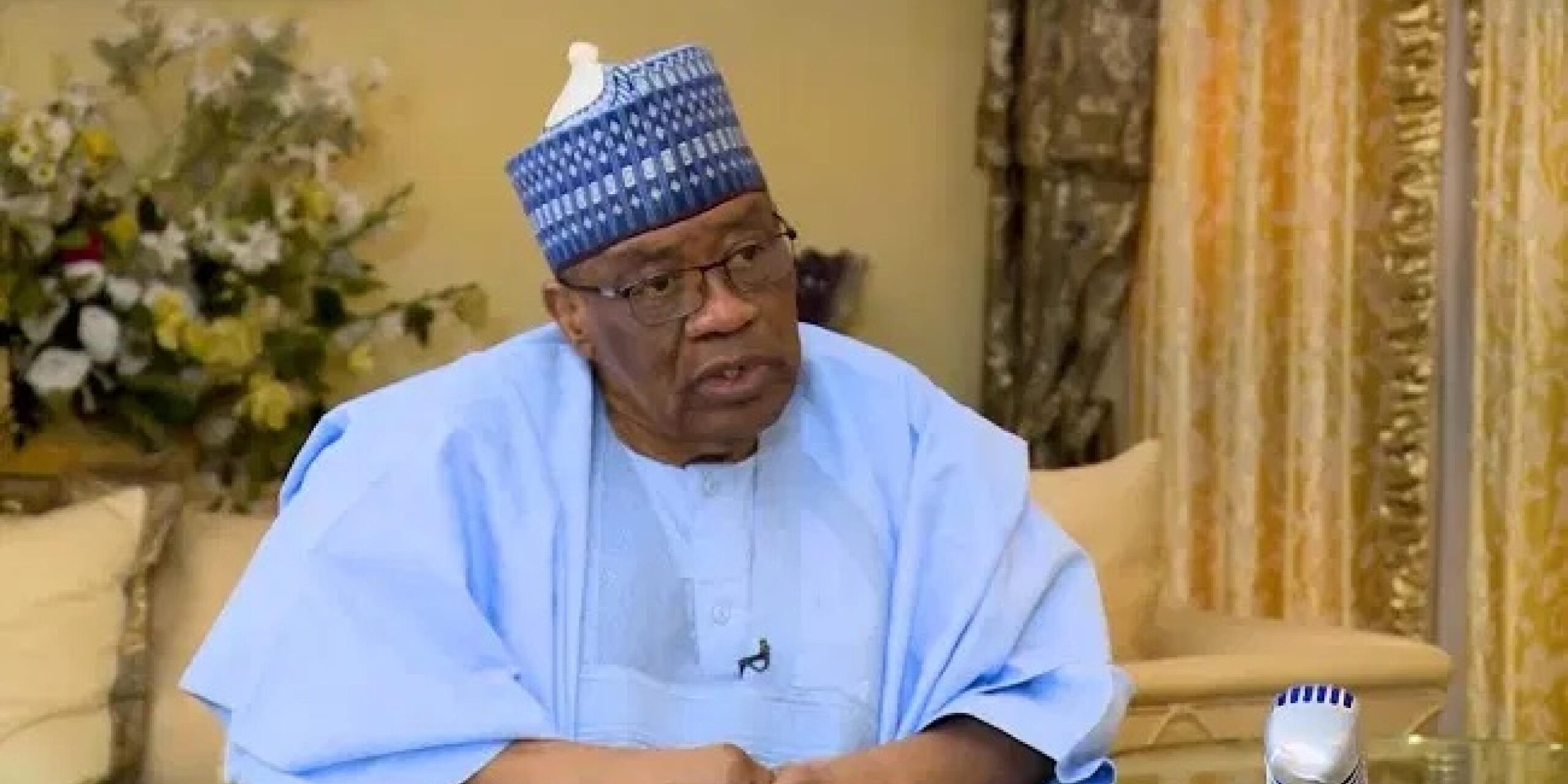
- A survivor of the Niger State mining detention tragedy has alleged that the gold-mining site where 37 suspected illegal miners were arrested belongs to former military Head of State Ibrahim Badamasi Babangida.

A survivor of the mass deaths of suspected illegal miners in the custody of the Nigeria Security and Civil Defence Corps (NSCDC) in Niger State has alleged that the gold-mining site where the men worked belongs to former military Head of State, retired General Ibrahim Badamasi Babangida.
The survivor, Malam Babawo Tudun Nasera, made the claim while recounting the arrest and death of his 17-year-old brother, Salim, who was among the miners detained by NSCDC officers.
According to Nasera, the miners were arrested at the mining site and remained in NSCDC custody for several days before the deaths were discovered.
In a video seen by SaharaReporters, Nasera said the miners were told to stop working at the site.
“They wanted us to stop working at the site,” he said.
When asked why the authorities wanted the miners to stop working, Nasera said the owner of the mining site had instructed them to continue with their work.
“They wanted the work to stop, even though the owner of the place had said that we should continue working,” he said.
Asked who owned the mining site, Nasera responded, “It belongs to Babangida.”
When asked to clarify which Babangida he was referring to, Nasera identified the person as retired General Ibrahim Badamasi Babangida, Nigeria’s former military Head of State popularly known as IBB.
He was further asked whether Babangida had personally told the miners to continue working at the site.
“Yes, he said we should continue working,” Nasera replied.
However, the allegation could not initially be independently verified.
More recent reports indicate that Babangida, through his representative, Dr Danladi Umar Abdulhameed, has denied any connection with the mining operation, describing the claim linking him to the site as false and without foundation.
It also remains unclear whether the former Head of State was alleged to personally own the mining operation, hold a mining lease over the site, own the land where the operation was taking place, or whether the survivor was referring to him in another capacity.
The allegation has nevertheless drawn attention because of the questions surrounding the ownership and operation of the mining site where the miners were arrested before their deaths in NSCDC custody.
The NSCDC had accused the miners of illegal mining, while survivors have said they were working at the site to earn money and provide for their families.
Nasera said his younger brother, Salim, was 17 years old when he died.
“They killed him. We saw him,” he said.
Asked to identify his brother, he said, “His name was Salim.”
“He was 17 years old,” he added.
Nasera also explained that the miners had gone to the site because they had few alternatives for earning a living.
“We went there looking for food. The mining site was where people went to find something to feed their families. It was hard work. Then Civil Defence officers came, arrested them and took them away. What were we supposed to do?” he said.
According to the survivor, the detainees remained in NSCDC custody for three days.
“They kept them in custody for three days. They were all in their custody. We tried to get them released, but they refused and said they would not allow it,” he said.
Nasera also questioned what caused the deaths, saying the detainees had received food before the bodies were discovered.
“Yesterday, they brought food to them and they ate. Each of them ate until he was satisfied. But from yesterday morning until today, what happened that made us come and find out that someone had died?” he said.
Asked what the detainees were given, Nasera said they were given what he described as some form of medicine and were also exposed to heat.
“They gave them some kind of medicine or something. They were also exposed to the heat outside,” he said.
When asked what could have caused the deaths if the substance was not responsible, he replied: “If it was not medicine, what else could it have been?”
The account comes amid investigations into the deaths of 37 suspected illegal miners who died after being arrested and detained by NSCDC officers in Niger State. The suspects were arrested during enforcement operations around the M.I. Wushishi and Lukoto areas on September 15 and 16.
Niger State Governor Umaru Bago has confirmed the 37 deaths and said the state government established a committee of inquiry, while medical examinations and autopsies are being conducted to determine the cause of death.
The Federal Government has also suspended the NSCDC commandant in Niger State, Suberu Siyaka Aniviye, pending a full investigation into the circumstances surrounding the deaths.
Meanwhile, Babangida has condemned the deaths and called for a comprehensive investigation. Through his representative, the former Head of State expressed condolences to the families of the deceased and welcomed the steps being taken by the Niger State Government to establish what happened.
Babangida also appealed for calm in Niger State, urging residents and the families of the deceased to allow the investigations to proceed and for the authorities to establish the facts surrounding the incident.
The actual cause of the miners’ deaths remains under investigation. Reports have raised possible explanations including overcrowding and poor ventilation in the detention facility, while authorities have said medical and forensic examinations are necessary to establish the scientific cause.





BREAKING: FG Plans Low-Key 66th Independence Celebration for Nigerians
President Bola Tinubu will address Nigerians in a nationwide broadcast on October 1 as the Federal Government prepares a low-key...


BREAKING: Youths Seeks Release of #EndSARS Report
Ogun youths have urged Governor Dapo Abiodun to make public the report of the state’s Judicial Panel of Investigation on...


Meet the 3 New Super Eagles Stars Set for Their First Nigeria Call-Up
George Ilenikhena, Isaac James and Moses Usor have earned their first Super Eagles invitations as Nigeria prepare for crucial 2026...

BREAKING: Tinubu Gives Fresh Order Over Deaths of 37 Miners
President Bola Tinubu has ordered a full and transparent investigation into the deaths of 37 miners in NSCDC custody in...


Burna Boy Set to Make History Again as He Headlines NFL’s First-Ever Paris Game
Nigerian Afrobeats superstar Burna Boy will return to Paris’ Stade de France in October to headline the halftime show for...

Dangote Refinery Reveals Why Falling Crude Prices May Not Hurt Its Profits
Dangote Refinery has assured prospective investors that a possible decline in crude oil prices after the US-Iran conflict will not...

Survivor Reveals IBB as Owner of Niger Gold Mine Where 37 Miners Died
A survivor of the Niger State mining detention tragedy has alleged that the gold-mining site where 37 suspected illegal miners...

VIDEO: ‘Wear Only APC Cap or Face Consequences’, Edo LG Chairman Threatens Drivers
The chairman of Esan West Local Government Area of Edo State, Blessing Ebhodaghe, has directed commercial drivers in the council...


IPOB: 2027 Election Is No Substitute for a Referendum — Let the Peoples Decide
IPOB has called for a referendum to allow Nigerians and the country’s constituent peoples to decide the political arrangement under...

Sanwo-Olu, Fashola, Ambode, Others Named in Lagos APC 2027 Campaign Council (Full List)
The Lagos State chapter of the APC has unveiled its campaign council ahead of the 2027 general elections, naming Governor...