
Business
Top 10 Most Affordable States to Live in Nigeria in June 2026
Despite persistent inflation nationwide, new NBS data shows 10 most affordable states to live in Nigeria…

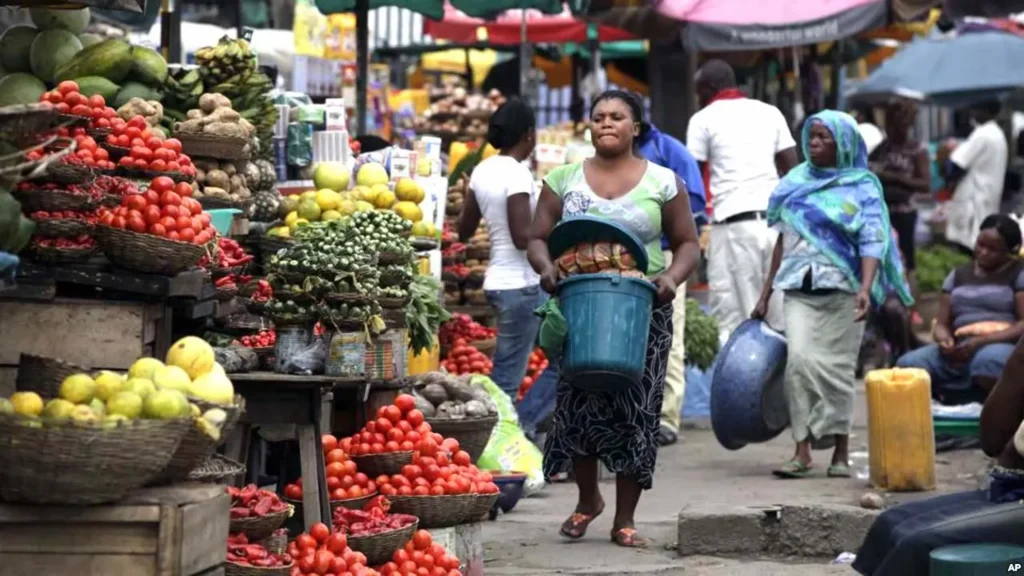
- Despite persistent inflation nationwide, new NBS data shows 10 most affordable states to live in Nigeria, with Imo emerging as the state with the lowest inflation rate in June 2026.

The National Bureau of Statistics (NBS) has released its latest inflation report, revealing the 10 Nigerian states with the lowest cost-of-living increases in June 2026.
According to the report, Nigeria’s headline inflation rate eased slightly to 15.91% in June from 15.93% in May, offering modest relief after months of rising prices. However, food inflation remained high at 17.52%, up from 16.96%, underscoring the continued pressure on household budgets.
Although inflation remains a national concern, the impact varies significantly across states. The latest NBS figures show that some states experienced much slower increases in the prices of goods and services, making them relatively more affordable than others.
The South-South region dominated the list with four states, while the North-West accounted for three entries. Notably, no state from the North-Central or South-West regions made the top 10.
Here are the states with the lowest headline inflation rates in June 2026:
10. Borno – 26.6%
Borno ranked 10th with a headline inflation rate of 26.6%, although this represented a sharp increase from 9.6% recorded in May.
Food inflation surged to 29.2%, compared to -6.5% the previous month. Despite the increase, the state recorded one of the slowest month-on-month food inflation movements, suggesting improving price stability.
9. Delta – 26.3%
Delta posted a headline inflation rate of 26.3%, up from 21.5% in May.
The state’s diversified economy, driven by agriculture, manufacturing, logistics and oil-related services, continues to support economic activity, although food inflation rose to 30.7%.
8. Cross River – 25.9%
Cross River recorded a headline inflation rate of 25.9%, while food inflation stood at 30.4%.
The state’s strong agricultural base, including cocoa, cassava, rice and palm production, alongside tourism activities, contributes to food availability.
7. Edo – 25.9%
Edo also recorded 25.9% headline inflation, rising significantly from 7.7% in May.
Food inflation reached 32.7%, reflecting increased pressure on household spending despite the state remaining among Nigeria’s relatively lower-inflation states.
6. Kaduna – 24.7%
Kaduna posted 24.7% headline inflation, compared to 19.6% in May.
The state benefits from a diversified economy with strong agricultural and manufacturing sectors, although food inflation climbed to 34.4%, the highest among the states on this list.
5. Zamfara – 24.0%
Zamfara recorded a headline inflation rate of 24.0%, maintaining its place among the more affordable states despite ongoing security challenges.
Food inflation stood at 30.8%, with agriculture remaining the backbone of the state’s economy.
4. Rivers – 23.7%
Rivers recorded 23.7% headline inflation, up from 19.1% in May.
The state also posted one of Nigeria’s lowest food inflation rates at 23.8%, supported by extensive trade networks and vibrant urban markets.
3. Katsina – 21.9%
Katsina’s headline inflation increased to 21.9% from 14.0% in May.
Despite the increase, the state recorded Nigeria’s lowest food inflation rate at 19.2%, making it one of the country’s most affordable states for food purchases.
2. Ebonyi – 20.8%
Ebonyi ranked second with a headline inflation rate of 20.8%.
As one of Nigeria’s leading rice-producing states, its strong agricultural output continues to cushion the impact of food inflation. The state’s food inflation was recorded at 27.4%.
1. Imo – 19.5%
Imo emerged as the state with the lowest headline inflation rate in Nigeria at 19.5%, despite a slight increase from 17.4% in May.
The state also recorded one of the country’s lowest food inflation rates at 24.6%, supported by investments in smallholder farming, agricultural inputs and rural road rehabilitation, which have helped improve food distribution and moderate price increases.
The NBS noted that while lower inflation means prices are rising more slowly than in other states, it does not necessarily mean that goods and services are inexpensive. Nevertheless, the report suggests that residents of these states experienced relatively lower cost-of-living pressures compared to much of the country during June 2026.






BREAKING: Nollywood Actor Francis Duru is Dead, Family Release Statement, Shares Cause of Death
Francis Duru’s family has confirmed his death following a brief illness, as colleagues and fans mourn the veteran Nollywood actor.


One Law for Abba Kyari, No Law for Nnamdi Kanu: Omotosho’s Fourth Jurisdictional Collapse
In Mazi Nnamdi Kanu’s Case, where Kenya was the territorial state, Kenyan sovereignty, comity, and statutory double criminality were utterly...


Ebola in Nigeria: How to Protect Yourself, Symptoms to Watch and Where to Get Help
Following the confirmation of an Ebola case in Abuja, here is essential safety advice for Nigerians, healthcare workers and travellers,...


Ebola: WHO Advises Against Travel, Trade Restrictions After Nigeria Confirms Case
WHO has advised against travel and trade restrictions on Ebola-affected countries as Nigeria monitors 44 contacts following an imported case...


Ebola: Five Things to Know About Bundibugyo Virus as Nigeria Confirms First Case
Nigeria has confirmed an imported Bundibugyo Ebola case in Abuja. Here are five key facts about its symptoms, transmission, treatment...


Italy Rejects 2,220 Nigerians Seeking Asylum
Italy rejected 2,220 Nigerian asylum claims in first-instance decisions in 2025, while 1,175 Nigerians received protection and 4,120 cases remained...


Dangote Buys 25% Stake in Kenya Pipeline Network, Plans $50bn Expansion
Aliko Dangote says his Group has acquired a stake in Kenya’s petroleum pipeline network as it expands fuel distribution infrastructure...


28-Year-Old POS Operator Sentenced to Death by Hanging Over Role in Kidnap Gang
An Imo court has sentenced a 28-year-old POS operator to death over his involvement in the abduction and murder of...


UTME: JAMB Considers Life Skills, Critical Thinking Tests for Admission Seekers
JAMB is considering adding life skills and critical thinking to the UTME, while introducing procedures to help candidates resolve discrepancies...


AAC Writes Tinubu, Demands Aso Rock, Food and Logistics for 5,000 Supporters at Sowore’s Inauguration
The AAC has requested permission to inaugurate Sowore’s presidential campaign council at Aso Rock, asking the Presidency to provide refreshments...