
Entertainment
Ignoring ‘Stop’ During Sex Could Lead to Jail – Lawyer Warns Men
Nigerian lawyer Dammy Esquire has warned that ignoring a partner’s request to stop during intimacy could amount to a criminal offence.

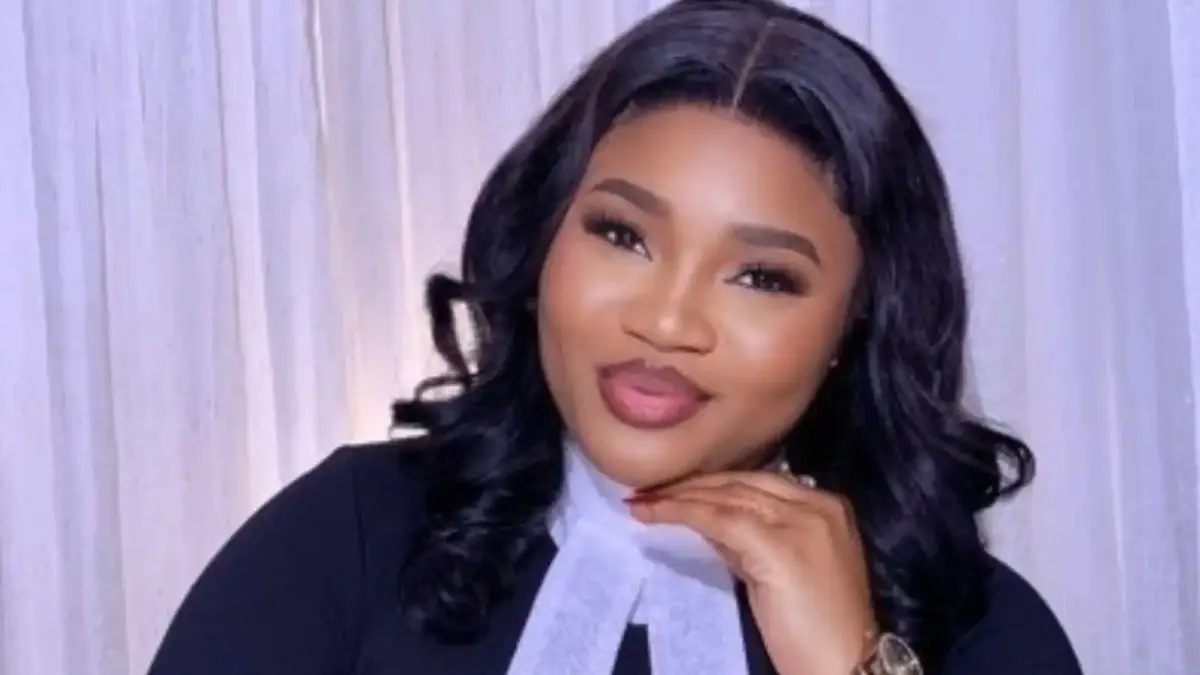
- Nigerian lawyer Dammy Esquire has warned that ignoring a partner’s request to stop during intimacy could amount to a criminal offence, stressing that consent must be continuous and can be withdrawn at any time.

A Nigerian lawyer, Dammy Esquire, has issued a strong warning to men about the legal consequences of ignoring consent during intimate encounters, stressing that failure to stop when asked could result in criminal charges and imprisonment.
The legal practitioner shared the caution via her X (formerly Twitter) account, emphasizing that consent is not a one-time agreement but must be continuous throughout any intimate activity.
According to her, once a partner clearly says “stop,” the other party is both legally and morally obligated to halt immediately. She explained that continuing after consent has been withdrawn may be classified as rape under the law, even if the encounter initially began with mutual agreement.
Dammy Esquire noted that a common misconception is that consent, once given, remains valid until the end of the act. She warned that such assumptions can expose individuals to serious legal risks.
DON’T MISS: Tiwa Savage Launches Music Foundation, Partners Berklee
She further stressed that engaging in any sexual activity without ongoing consent could lead to severe consequences, including prosecution and possible imprisonment if found guilty.
The lawyer advised individuals to respect personal boundaries at all times and ensure clear communication with their partners, noting that mutual respect is essential in any relationship.
Her comments have since sparked mixed reactions online, with some social media users questioning how such situations can be proven, while others debated whether the principle applies equally to both men and women.
Despite differing opinions, the discussion has reignited conversations around consent, legal awareness, and the importance of respecting boundaries in relationships.






Orji Uzor Kalu Accused of Seeking Massive Cut From SEDC Funds
The Abia State’s “Senior man” is leg-deep into a messy murky-water fight with the SEDC, I learnt. The crux of...


BREAKING: Oyo School Kidnappers Demand ₦1bn, Sharia Law for Release of Abducted Pupils, Teachers
Fresh details have emerged in the Oyo school abduction case, with reports indicating that the kidnappers are demanding a ₦1...


VIDEO: Peller Finally Pops the Question as Jarvis Says Yes in Romantic Ghana Proposal
Popular TikTok creator Peller has taken his relationship with fellow content creator Jarvis to the next level after surprising her...

‘I Will Name Them If…”: Sunday Igboho Threatens to Expose Nigerian Politicians Behind Oyo Schoolchildren Abduction
Yoruba Nation activist Sunday Igboho has alleged that politicians are sponsoring kidnappers operating in parts of Oyo State...


Fresh Security Concerns as Gunmen Abduct Tinubu’s Ex-Power Adelabu’s Sister, 12-Year-Old Twin Sons
The sister of former Minister of Power and APC governorship aspirant, Adebayo Adelabu, and her twin sons have been kidnapped...


Hardship Deepens as Nigerians Borrow Nearly ₦2tn in Personal Loans to Survive
Personal loans obtained by Nigerians surged to ₦1.96 trillion in January 2026, accounting for more than half of the country's...


BREAKING: Gunmen Kidnap Former Defence Spokesman, Wife
The Nigerian military has begun efforts to rescue former Director of Defence Information, Major General Rabe Abubakar (retd.), and his...


I’m Not in Any ‘City Boys’ Group, Davido Speaks Relationship with Seyi Tinubu
Afrobeats star Davido has addressed criticism surrounding his recent comments on insecurity and injustice in Nigeria....


‘Where is the Change? We Are Still Suffering’ — Nigerians Drags Tinubu as He Celebrates Third Year in Office
President Bola Tinubu marked his third anniversary in office by commissioning major projects across Nigeria and highlighting progress under his...


TG Omori Sends Strong Message to Troll Who Mocked His Kidney Condition
Popular music video director TG Omori has become a trending topic online after a controversial social media post referencing his...