
News
Ebola in Nigeria: How to Protect Yourself, Symptoms to Watch and Where to Get Help
Following the confirmation of an Ebola case in Abuja, here is essential safety advice for Nigerians, healthcare workers and travellers, including when to call NCDC.

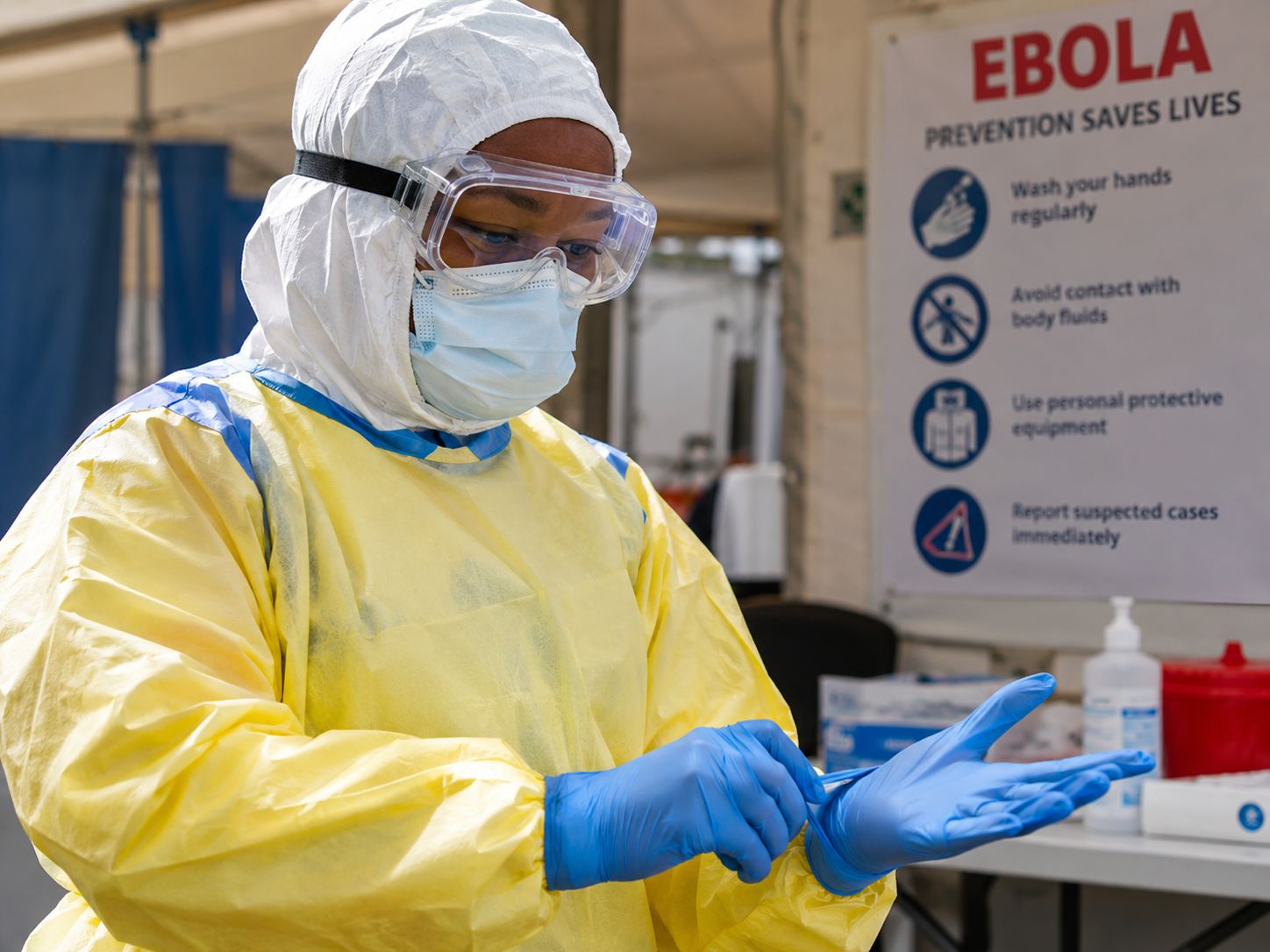
- Following the confirmation of an Ebola case in Abuja, here is essential safety advice for Nigerians, healthcare workers and travellers, including when to call NCDC.

On October 20, 2026, the Nigeria Centre for Disease Control and Prevention (NCDC) confirmed an imported case of Bundibugyo Ebola virus disease in Abuja. As health authorities strengthen surveillance and response efforts, Nigerians are encouraged to remain informed and follow recommended preventive measures.
Ebola is a severe infectious disease affecting humans and some other primates. It spreads through direct contact with infected blood or other bodily fluids, contaminated materials and infected animals.
Nigeria previously experienced an Ebola outbreak in 2014. The latest confirmation concerns Bundibugyo, a distinct Ebola-causing virus. Early detection, prompt reporting and appropriate medical care are essential to protecting patients and preventing further transmission.
Drawing on public health guidance from Nigerian health authorities, here are steps individuals, healthcare workers and travellers can take.
Advice to Nigerians
Nigerians are advised to:
- Maintain good hand hygiene. Wash your hands regularly with soap and running water, or use an appropriate hand sanitiser when these are unavailable.
- Avoid unprotected contact with suspected patients. Do not touch the blood, saliva, vomit, urine or other bodily fluids of anyone suspected or confirmed to have Ebola.
- Avoid contaminated materials. Do not handle patients’ clothing, bedding or personal items without appropriate protection.
- Take precautions around wildlife. Avoid handling sick or dead wild animals, particularly bats, monkeys and apes. Animal products should be thoroughly cooked.
- Report symptoms after possible exposure. If you or someone you know develops symptoms following contact with a suspected case or travel to an affected area, immediately call 6232 or your State Ministry of Health hotline.
Advice to Healthcare Workers
Healthcare workers are advised to:
- Remain alert to possible cases. Assess relevant symptoms alongside patients’ travel histories and possible exposure.
- Promptly isolate suspected patients using appropriate facilities and procedures.
- Follow infection prevention and control measures. Use suitable personal protective equipment and ensure safe handling of sharps, waste and contaminated materials.
- Report suspected cases immediately to the NCDC or State Ministry of Health for investigation and coordinated management.
Advice to Travellers
Travellers who develop symptoms after possible exposure or recent travel to an affected area are advised to:
- Call 6232 immediately and explain their symptoms, travel history and possible contact with an infected person.
- Stay where they are and avoid close contact with others while awaiting guidance from health authorities.
- Avoid public transport or independently travelling to a hospital, as this could expose others.
- Await designated responders for assessment and safe transport to an appropriate treatment centre, if required.
These precautions apply to people with suspected infection, rather than every traveller.
Ebola symptoms may begin with sudden fever, severe weakness, muscle pain, headache and sore throat. Vomiting, diarrhoea and abdominal pain may develop as the illness progresses.
In severe cases, patients may experience kidney or liver problems, shock and bleeding. However, bleeding does not occur in every case, and symptoms alone cannot confirm Ebola. Symptoms can appear between two and 21 days after infection.
For enquiries or to report a suspected case, contact NCDC on its toll-free number: 6232. Follow official health updates and seek guidance promptly after possible exposure.





Ebola in Nigeria: How to Protect Yourself, Symptoms to Watch and Where to Get Help
Following the confirmation of an Ebola case in Abuja, here is essential safety advice for Nigerians, healthcare workers and travellers,...

Ebola: WHO Advises Against Travel, Trade Restrictions After Nigeria Confirms Case
WHO has advised against travel and trade restrictions on Ebola-affected countries as Nigeria monitors 44 contacts following an imported case...

Ebola: Five Things to Know About Bundibugyo Virus as Nigeria Confirms First Case
Nigeria has confirmed an imported Bundibugyo Ebola case in Abuja. Here are five key facts about its symptoms, transmission, treatment...


Italy Rejects 2,220 Nigerians Seeking Asylum
Italy rejected 2,220 Nigerian asylum claims in first-instance decisions in 2025, while 1,175 Nigerians received protection and 4,120 cases remained...


Dangote Buys 25% Stake in Kenya Pipeline Network, Plans $50bn Expansion
Aliko Dangote says his Group has acquired a stake in Kenya’s petroleum pipeline network as it expands fuel distribution infrastructure...


28-Year-Old POS Operator Sentenced to Death by Hanging Over Role in Kidnap Gang
An Imo court has sentenced a 28-year-old POS operator to death over his involvement in the abduction and murder of...


UTME: JAMB Considers Life Skills, Critical Thinking Tests for Admission Seekers
JAMB is considering adding life skills and critical thinking to the UTME, while introducing procedures to help candidates resolve discrepancies...

AAC Writes Tinubu, Demands Aso Rock, Food and Logistics for 5,000 Supporters at Sowore’s Inauguration
The AAC has requested permission to inaugurate Sowore’s presidential campaign council at Aso Rock, asking the Presidency to provide refreshments...


Jurisprudential Collapse & Judicial Fear” The Jurisprudential Collapse in FRN v. Kanu: Why the Judiciary Is Running Scared of Section 36(12)”
Legal practitioner Christopher Chidera argues that the conviction of the detained Indigenous People of Biafra (IPOB) leader, Nnamdi Kanu...

2027: North Will Reject Tinubu and His Money — Hakeem Baba-Ahmed Says
Hakeem Baba-Ahmed has accused Tinubu’s administration of neglecting Northerners and warned against financial inducements...