
News
Flood Alert: FG Warns 17 States of Flood Risk in Next Seven Days
The Nigeria Hydrological Services Agency (NIHSA) has issued a seven-day flood advisory, warning that 17 states face a medium risk of floodingThe Nigeria Hydrological Services Agency (NIHSA) has issued a seven-day flood advisory, warning that 17 states face a medium risk of flooding…

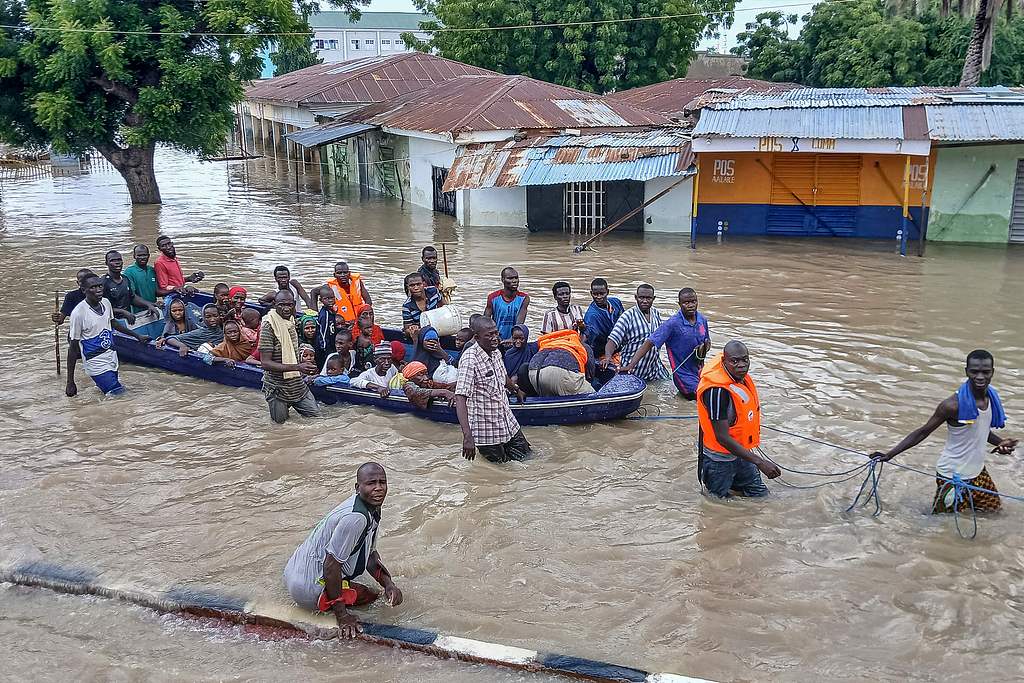
- The Nigeria Hydrological Services Agency (NIHSA) has issued a seven-day flood advisory, warning that 17 states face a medium risk of flooding between July 21 and July 27 due to rising river levels.

The Nigeria Hydrological Services Agency (NIHSA) has warned that 17 states across the country are at risk of flooding over the next seven days as water levels continue to rise in major rivers.
The warning was contained in the agency’s National Flood Advisory (Alert No. NFA-2026-200) issued on Tuesday by the Director-General, Umar Mohammed.
According to the advisory, the flood risk will remain in effect from July 21 to July 27, with communities located along river channels and floodplains urged to remain on alert.
The affected states include Adamawa, Bauchi, Benue, Borno, Edo, Gombe, Imo, Jigawa, Kaduna, Kano, Kebbi, Nasarawa, Niger, Plateau, Taraba, Yobe and Zamfara.
Mohammed explained that the warning followed rising water levels recorded at key monitoring stations, including Saminaka on the Karam River, the Waya Dam site on the Waya River, and Amber on the Amber River, where river levels have exceeded watch and warning thresholds.
He added that 16 river gauging stations nationwide are currently recording elevated water levels, increasing the likelihood of localized flooding in nearby communities.
According to NIHSA, Bauchi State faces the highest level of exposure, with 1,841 communities, 145 schools, 101 health facilities, and eight markets identified as vulnerable to flooding.
The agency also listed several vulnerable communities and public facilities in Edo, Imo, Kaduna, Plateau, and Benue states.
NIHSA urged the National Emergency Management Agency (NEMA), State Emergency Management Agencies (SEMAs), local governments and community leaders to activate emergency response plans and relocate residents, livestock and valuables from flood-prone areas where necessary.
The agency also advised emergency responders to pre-position food supplies, medical materials and water treatment resources in vulnerable communities while encouraging authorities to clear blocked drains, culverts and waterways to reduce the impact of flooding.
Residents were warned to avoid walking, driving or riding through flooded roads, bridges and fast-flowing rivers and to follow daily flood updates issued by the agency.






First Lady, Remi Tinubu Reveals When She Wants to Leave Aso Rock
First Lady Remi Tinubu has backed her husband’s 2027 re-election bid, saying she hopes to leave Aso Rock in 2031...


APC Accuses Atiku, ADC of Deepfake Plot to Discredit Tinubu’s Kaduna Rally
The APC campaign council has accused Atiku Abubakar and the ADC of planning to circulate manipulated content against its Kaduna...


Atiku’s Campaign Council Labels Tinubu’s 90-Day Relief Plan “Election Bait”, Demands Details
Atiku’s ADC campaign council has questioned the timing of Tinubu’s 90-day relief plan, demanding clear details on food prices, household...


BREAKING: Nollywood Actor Francis Duru is Dead, Family Release Statement, Shares Cause of Death
Francis Duru’s family has confirmed his death following a brief illness, as colleagues and fans mourn the veteran Nollywood actor.


One Law for Abba Kyari, No Law for Nnamdi Kanu: Omotosho’s Fourth Jurisdictional Collapse
In Mazi Nnamdi Kanu’s Case, where Kenya was the territorial state, Kenyan sovereignty, comity, and statutory double criminality were utterly...


Ebola in Nigeria: How to Protect Yourself, Symptoms to Watch and Where to Get Help
Following the confirmation of an Ebola case in Abuja, here is essential safety advice for Nigerians, healthcare workers and travellers,...

Ebola: WHO Advises Against Travel, Trade Restrictions After Nigeria Confirms Case
WHO has advised against travel and trade restrictions on Ebola-affected countries as Nigeria monitors 44 contacts following an imported case...


Ebola: Five Things to Know About Bundibugyo Virus as Nigeria Confirms First Case
Nigeria has confirmed an imported Bundibugyo Ebola case in Abuja. Here are five key facts about its symptoms, transmission, treatment...


Italy Rejects 2,220 Nigerians Seeking Asylum
Italy rejected 2,220 Nigerian asylum claims in first-instance decisions in 2025, while 1,175 Nigerians received protection and 4,120 cases remained...


Dangote Buys 25% Stake in Kenya Pipeline Network, Plans $50bn Expansion
Aliko Dangote says his Group has acquired a stake in Kenya’s petroleum pipeline network as it expands fuel distribution infrastructure...