
Politics
Tinubu Declines Audience with South African Envoy, Issues Fresh Directive
President Bola Tinubu has declined to personally receive a special delegation from South African President Cyril Ramaphosa over the ongoing xenophobic attacks on Nigerians…

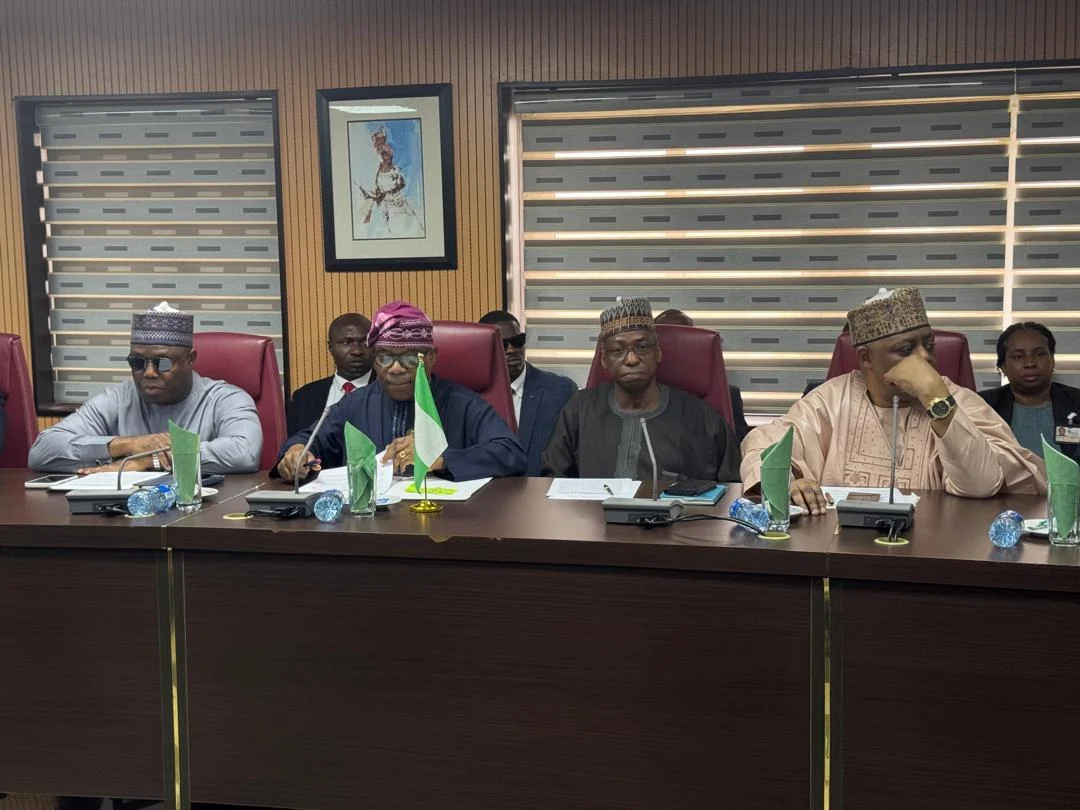
- President Bola Tinubu has declined to personally receive a special delegation from South African President Cyril Ramaphosa over the ongoing xenophobic attacks on Nigerians.

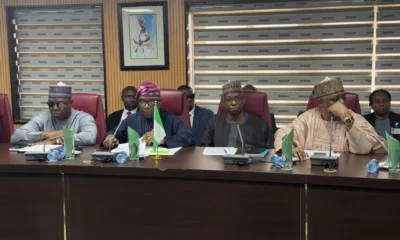
President Bola Tinubu on Monday declined to receive a special delegation sent by South African President Cyril Ramaphosa over the ongoing xenophobic attacks on Nigerians in South Africa.
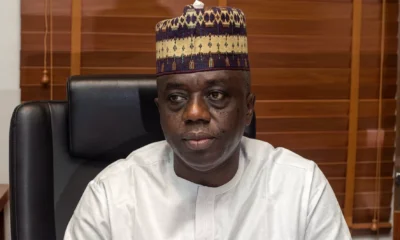
Instead, the President directed the delegation, led by South Africa’s Minister of International Relations and Cooperation, Ronald Lamola, to meet with the Minister of State for Foreign Affairs, Ambassador Sola Enikanolaiye.
According to Presidency sources, the South African delegation arrived in Abuja on Friday seeking an audience with Tinubu but was informed that the President would decide on the request.
Although the meeting was initially shifted to Monday, Tinubu ultimately instructed the delegation to engage with the Minister of State for Foreign Affairs, who would later brief him on the outcome.
The development comes amid rising diplomatic tensions between Nigeria and South Africa following renewed xenophobic attacks targeting Nigerians and other African nationals, forcing hundreds of Nigerians to return home.
Receiving the delegation in Abuja, Enikanolaiye said President Tinubu had directed him to discuss ways of ending the attacks and preserving the long-standing relationship between both countries.
He condemned the recurring violence against Nigerians, noting that similar attacks had occurred repeatedly over the years and stressing that criminal suspects should face lawful prosecution rather than mob violence.
The minister also recalled Nigeria’s support for South Africa during the anti-apartheid struggle, describing the attacks as inconsistent with the historical ties between both nations.
Responding, Lamola said President Ramaphosa sent him as a special envoy to reaffirm South Africa’s opposition to xenophobia, racism and other forms of intolerance.
He, however, maintained that South Africa would continue enforcing its immigration laws while expressing optimism that continued dialogue would help both countries resolve the crisis.
The diplomatic engagement comes as relations between Nigeria and South Africa remain strained following the recent wave of xenophobic attacks and the evacuation of hundreds of Nigerians from the country.





BBNaija Unveils ‘The Gambit’ Twist, Two Housemates to Reach Final but Lose ₦160m Prize
Big Brother Naija has introduced its first major twist of Season 11, allowing fans to select two housemates who will...


Grammy Winner Tyla Announces ‘A*POP’ World Tour, Confirms Lagos Concert
Grammy-winning South African singer Tyla has announced that Lagos will host one of the stops on her highly anticipated 'A*POP'...

Gunmen Storm Lagos Barbing Salon, Shoot Barber Dead
Panic erupted in Lagos after suspected gunmen stormed a barbing salon and shot a barber identified as Hafiz dead moments...


ICPC Petitions El-Rufai’s Doctor Over Alleged Fake Medical Report
The ICPC has asked the Medical and Dental Council of Nigeria to investigate and discipline Professor Bello Abubakar over allegations...

Over 40 Million Nigerian Telecom Subscribers Risk Fresh Airtime Borrowing Disruption
FCCPC, Airtime Borrowing, Airtime Loan, WASPAN, NCC, Nigerian Communications Commission, Telecom News....

Tinubu Declines Audience with South African Envoy, Issues Fresh Directive
President Bola Tinubu has declined to personally receive a special delegation from South African President Cyril Ramaphosa over the ongoing...

Nigeria Customs Releases Final Recruitment List, Gives Fresh Instructions to Successful Candidates
The Nigeria Customs Service has released the final list of successful candidates for its 2024/2025 recruitment exercise and issued fresh...

BBNaija 11: Chimsom Emerges First HoH, Tram Lands Luxury Lounge
Chimsom Chuka has emerged as the first Head of House in BBNaija Season 11, but a surprise twist by Biggie...

BBNaija 11: Housemates Grill Aikou Over Egyptian Girlfriend, ₦160m Dream
BBNaija Season 11 housemate Aikou has become the center of attention after fellow contestants questioned him about his life and...

BREAKING: Accountant-General Exposes Forged State House Letter Behind ‘Fake’ Presidential Agency
The Accountant-General has told the House of Representatives that a forged State House letter was used to secure official recognition...