
News
Ebola: Five Things to Know About Bundibugyo Virus as Nigeria Confirms First Case
Nigeria has confirmed an imported Bundibugyo Ebola case in Abuja. Here are five key facts about its symptoms, transmission, treatment and prevention.


- Nigeria has confirmed an imported Bundibugyo Ebola case in Abuja. Here are five key facts about its symptoms, transmission, treatment and prevention.

Nigeria has confirmed an imported case of Bundibugyo Ebola virus disease in the Federal Capital Territory, prompting contact tracing and heightened surveillance.
The patient, a woman with recent travel history to Uganda, is receiving care in isolation in Abuja. Authorities identified 44 contacts for monitoring, according to the World Health Organisation.
Here are five things to know about the virus.
1. Bundibugyo is a distinct Ebola-causing virus
Bundibugyo virus was first identified during an outbreak in Uganda in 2007. It is distinct from the Ebola virus responsible for several major outbreaks, commonly called Zaire ebolavirus.
This difference matters because vaccines and medicines effective against one Ebola-causing virus cannot automatically be assumed to work against another.
2. Symptoms can resemble other infections
Early symptoms include fever, severe tiredness, headache and muscle pain. Vomiting, diarrhoea and abdominal pain may follow.
Severe illness can affect the kidneys and liver. Some patients experience bleeding, but bleeding does not occur in every case.
Symptoms usually develop between two and 21 days after infection. Symptoms alone cannot confirm Ebola; laboratory testing is required.
3. Infection spreads through direct contact with bodily fluids
Transmission occurs when blood or other bodily fluids from an infected, symptomatic person enter another person’s body through broken skin or the eyes, nose or mouth.
Contaminated objects, including needles, clothing and bedding, can also spread infection. Contact with infected animals or the bodies of people who have died from Ebola presents a risk.
People do not transmit Ebola before symptoms begin. Healthcare workers and caregivers need appropriate protective measures when attending to suspected or confirmed cases.
4. Supportive care is essential despite the lack of an approved specific treatment
There is currently no licensed vaccine or specifically approved treatment for Bundibugyo virus disease, according to WHO.
However, early supportive care can improve survival. This includes replacing fluids and electrolytes, maintaining oxygen levels and treating complications.
Vaccines approved for Zaire Ebola should not be presented as proven protection against Bundibugyo. WHO says protection from the Ervebo vaccine against Bundibugyo in humans remains uncertain and is being studied.
5. Early reporting and contact monitoring help prevent spread
Anyone who develops symptoms after possible exposure should promptly contact health authorities and disclose their travel and contact history. Calling ahead helps healthcare teams arrange safe assessment.
Avoid direct contact with the blood, bodily fluids and personal items of suspected or confirmed patients. Do not handle sick or dead wild animals or touch the bodies of suspected Ebola victims.
People identified as contacts should follow health authorities’ monitoring instructions. Follow official NCDC and WHO updates for verified information and public health guidance.




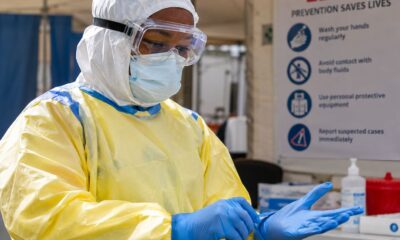

Ebola in Nigeria: How to Protect Yourself, Symptoms to Watch and Where to Get Help
Following the confirmation of an Ebola case in Abuja, here is essential safety advice for Nigerians, healthcare workers and travellers,...
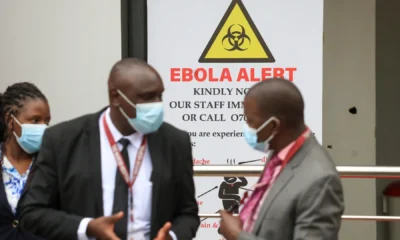

Ebola: WHO Advises Against Travel, Trade Restrictions After Nigeria Confirms Case
WHO has advised against travel and trade restrictions on Ebola-affected countries as Nigeria monitors 44 contacts following an imported case...


Ebola: Five Things to Know About Bundibugyo Virus as Nigeria Confirms First Case
Nigeria has confirmed an imported Bundibugyo Ebola case in Abuja. Here are five key facts about its symptoms, transmission, treatment...


Italy Rejects 2,220 Nigerians Seeking Asylum
Italy rejected 2,220 Nigerian asylum claims in first-instance decisions in 2025, while 1,175 Nigerians received protection and 4,120 cases remained...


Dangote Buys 25% Stake in Kenya Pipeline Network, Plans $50bn Expansion
Aliko Dangote says his Group has acquired a stake in Kenya’s petroleum pipeline network as it expands fuel distribution infrastructure...


28-Year-Old POS Operator Sentenced to Death by Hanging Over Role in Kidnap Gang
An Imo court has sentenced a 28-year-old POS operator to death over his involvement in the abduction and murder of...


UTME: JAMB Considers Life Skills, Critical Thinking Tests for Admission Seekers
JAMB is considering adding life skills and critical thinking to the UTME, while introducing procedures to help candidates resolve discrepancies...


AAC Writes Tinubu, Demands Aso Rock, Food and Logistics for 5,000 Supporters at Sowore’s Inauguration
The AAC has requested permission to inaugurate Sowore’s presidential campaign council at Aso Rock, asking the Presidency to provide refreshments...


Jurisprudential Collapse & Judicial Fear” The Jurisprudential Collapse in FRN v. Kanu: Why the Judiciary Is Running Scared of Section 36(12)”
Legal practitioner Christopher Chidera argues that the conviction of the detained Indigenous People of Biafra (IPOB) leader, Nnamdi Kanu...


2027: North Will Reject Tinubu and His Money — Hakeem Baba-Ahmed Says
Hakeem Baba-Ahmed has accused Tinubu’s administration of neglecting Northerners and warned against financial inducements...