
News
Ebola: WHO Advises Against Travel, Trade Restrictions After Nigeria Confirms Case
WHO has advised against travel and trade restrictions on Ebola-affected countries as Nigeria monitors 44 contacts following an imported case in Abuja.

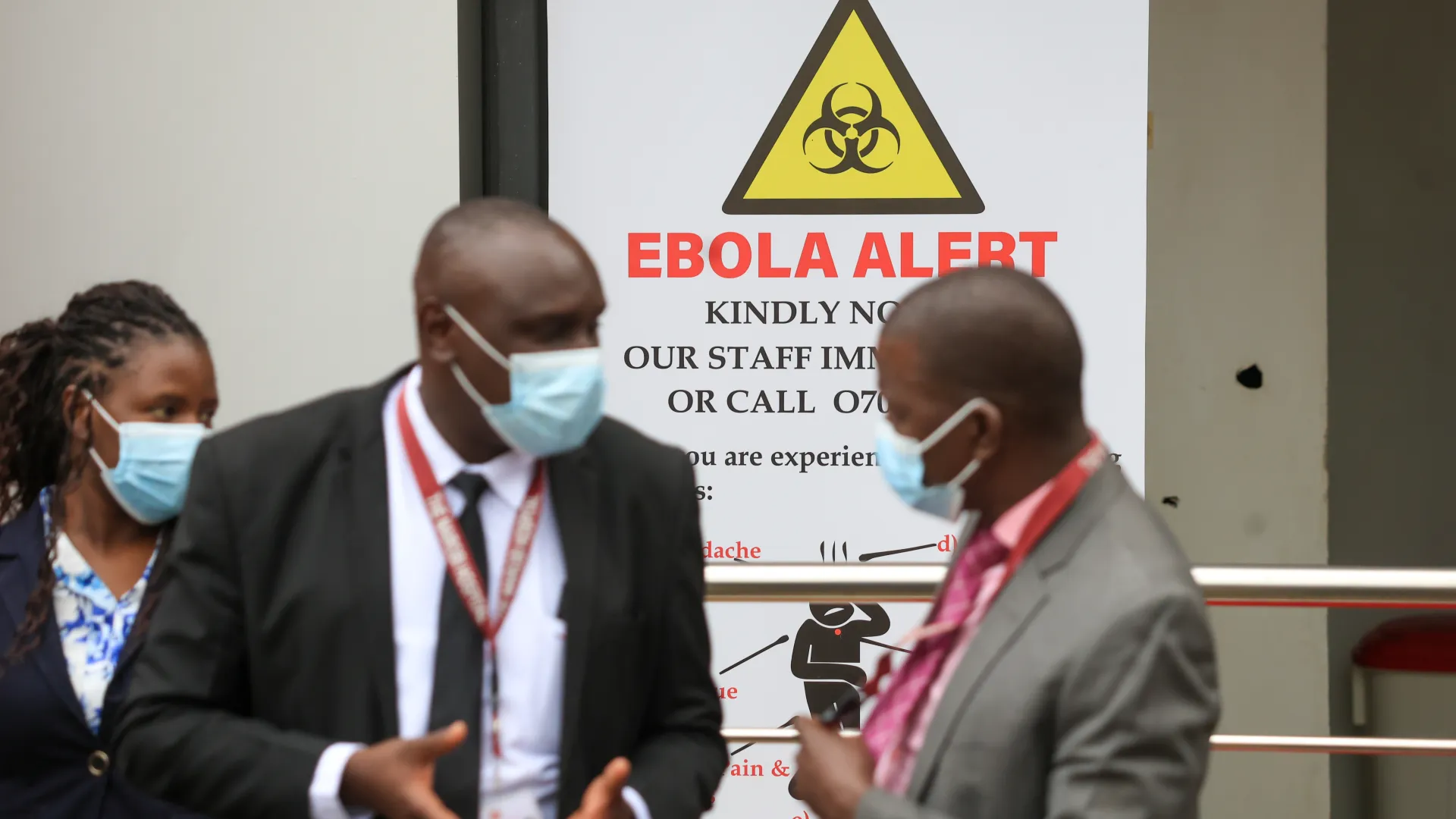
- WHO has advised against travel and trade restrictions on Ebola-affected countries as Nigeria monitors 44 contacts following an imported case in Abuja.

The World Health Organisation has advised against imposing travel or trade restrictions on countries affected by Bundibugyo Ebola virus disease following the confirmation of an imported case in Abuja.
The agency said it was monitoring developments and would continue reviewing its risk assessment as new information emerged, while verifying travel and trade measures introduced in response to the outbreak.
Nigeria confirmed the infection on October 20, becoming the fifth country to detect the virus since the outbreak was declared in the Democratic Republic of the Congo on May 15, 2026.
According to WHO, the patient is a woman with recent travel history to Uganda. She developed symptoms on October 7, four days after arriving in Nigeria, and sought treatment at a private health facility in Abuja on October 11.
Laboratory tests confirmed the infection on October 20. She is receiving medical care in isolation, while 44 identified contacts are being monitored.
Investigators are working to establish the likely source of infection and reconstruct her travel and exposure history.
WHO said it was supporting Nigerian health authorities with case investigation, contact tracing, infection prevention and control, and essential supplies, including personal protective equipment for health workers.
The Nigeria Centre for Disease Control and Prevention has activated its incident management system to coordinate the response. Infection prevention measures are also being strengthened at the private facility where the patient initially received treatment.
Beyond Nigeria, WHO urged countries across the region to maintain heightened preparedness as the outbreak continues to evolve in the Democratic Republic of the Congo.
The agency said Kenya had recorded nine cases linked to an imported infection in recent weeks.
It called on governments to strengthen surveillance, investigate suspected cases promptly and ensure laboratories could safely test samples.
Countries were also advised to keep rapid response and clinical teams ready for deployment, maintain essential medical supplies and reinforce infection prevention measures in public and private health facilities.
WHO further urged authorities to engage communities and strengthen monitoring at points of entry to support early detection.
“Sustained readiness is essential to detect cases early, prevent onward transmission and protect health workers and communities.”





Ebola in Nigeria: How to Protect Yourself, Symptoms to Watch and Where to Get Help
Following the confirmation of an Ebola case in Abuja, here is essential safety advice for Nigerians, healthcare workers and travellers,...

Ebola: WHO Advises Against Travel, Trade Restrictions After Nigeria Confirms Case
WHO has advised against travel and trade restrictions on Ebola-affected countries as Nigeria monitors 44 contacts following an imported case...


Ebola: Five Things to Know About Bundibugyo Virus as Nigeria Confirms First Case
Nigeria has confirmed an imported Bundibugyo Ebola case in Abuja. Here are five key facts about its symptoms, transmission, treatment...


Italy Rejects 2,220 Nigerians Seeking Asylum
Italy rejected 2,220 Nigerian asylum claims in first-instance decisions in 2025, while 1,175 Nigerians received protection and 4,120 cases remained...

Dangote Buys 25% Stake in Kenya Pipeline Network, Plans $50bn Expansion
Aliko Dangote says his Group has acquired a stake in Kenya’s petroleum pipeline network as it expands fuel distribution infrastructure...


28-Year-Old POS Operator Sentenced to Death by Hanging Over Role in Kidnap Gang
An Imo court has sentenced a 28-year-old POS operator to death over his involvement in the abduction and murder of...


UTME: JAMB Considers Life Skills, Critical Thinking Tests for Admission Seekers
JAMB is considering adding life skills and critical thinking to the UTME, while introducing procedures to help candidates resolve discrepancies...

AAC Writes Tinubu, Demands Aso Rock, Food and Logistics for 5,000 Supporters at Sowore’s Inauguration
The AAC has requested permission to inaugurate Sowore’s presidential campaign council at Aso Rock, asking the Presidency to provide refreshments...


Jurisprudential Collapse & Judicial Fear” The Jurisprudential Collapse in FRN v. Kanu: Why the Judiciary Is Running Scared of Section 36(12)”
Legal practitioner Christopher Chidera argues that the conviction of the detained Indigenous People of Biafra (IPOB) leader, Nnamdi Kanu...

2027: North Will Reject Tinubu and His Money — Hakeem Baba-Ahmed Says
Hakeem Baba-Ahmed has accused Tinubu’s administration of neglecting Northerners and warned against financial inducements...