
News
No Funds Yet for 2027 General Elections, INEC Reveals
The Independent National Electoral Commission (INEC) says it is yet to receive funding for the 2027 general elections, despite proposing a budget of ₦873.78 billion.

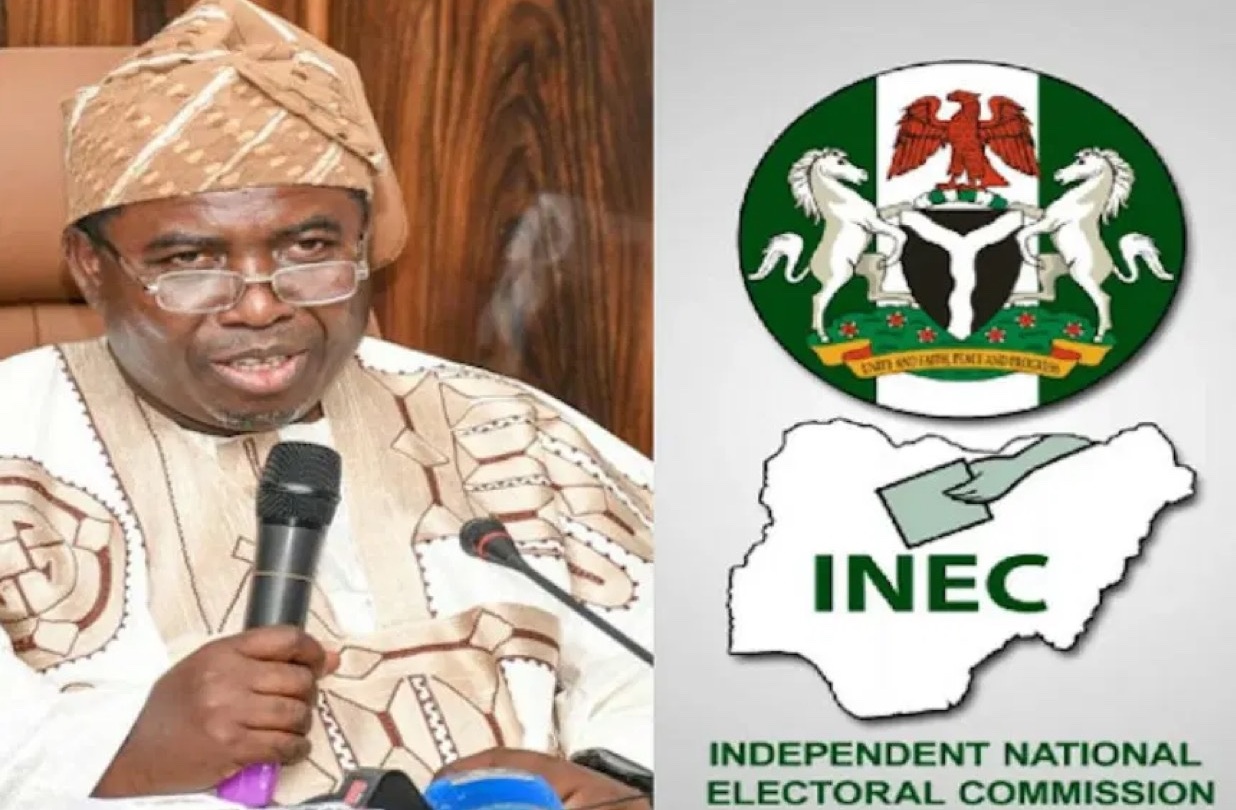
- The Independent National Electoral Commission (INEC) says it is yet to receive funding for the 2027 general elections, despite proposing a budget of ₦873.78 billion.

The Independent National Electoral Commission (INEC) has disclosed that it is yet to receive budgetary allocations for the conduct of the 2027 general elections.
The commission’s National Commissioner for Voter Education and Publicity, Mohammed Haruna, made the disclosure on Thursday during a stakeholders’ meeting in Abuja.
According to Haruna, although the funds have not been released, INEC has already commenced preparations for the 2027 polls.
Full Details of INEC’s Preparations for 2027
- Proposed election budget of ₦873.78 billion.
- Procurement plans for new Bimodal Voter Accreditation System (BVAS) devices and other election equipment.
- Plans to conduct mock presidential elections to test technology deployment and avoid a repeat of the 2023 IReV glitches.
- Engagement with judicial authorities over the issue of conflicting court orders affecting elections.
- Strengthening data protection measures following recent concerns over an alleged data breach.
Haruna explained that the delay in funding is still within the timeline provided by the Electoral Act, which requires election funds to be released no later than six months before a general election.
He also revealed that INEC had already begun preparations for the replacement of damaged and unrecovered BVAS machines.
“Our director of ICT just returned from China regarding procurement because not all the BVAS devices used during the last general elections were recovered. Orders need to be placed, and these things take time,” he said.
The commissioner further disclosed that the commission intends to carry out mock presidential election exercises to ensure its technology performs optimally during the 2027 elections.
On the high cost of conducting elections in Nigeria, Haruna argued that the budget should be viewed in context.
“This ₦800 billion-plus sounds humongous, but when you calculate the average cost per voter, it is about six dollars, which is reasonable for a country such as Nigeria.”
He also cited exchange rate fluctuations and Nigeria’s dependence on imported election materials as major cost drivers.
Haruna admitted that conflicting court judgments continue to pose challenges to the commission’s operations, noting that last-minute court orders during the recent Ekiti governorship election disrupted logistics and forced the commission to reconfigure its systems.
On the recent viral report of a data breach, he assured Nigerians that INEC maintains strict data protection protocols and disclosed that an electoral officer accused of leaking sensitive data had been suspended pending investigations by the police and the Department of State Services.
Meanwhile, Executive Director of the Peering Advocacy and Advancement Centre in Africa (PAACA), Ezenwa Nwagwu, urged the Federal Government to release election funds early, warning that delayed funding often creates an emergency situation that could undermine transparency and encourage corruption.
Despite the funding delay, INEC insists it remains committed to ensuring that preparations for the 2027 general elections continue without interruption.





BREAKING: Atiku Appoints El-Rufai, Hayatu-Deen in ADC Presidential Campaign Council
Atiku Abubakar has announced the appointment of Nasir el-Rufai and Mohammed Hayatu-Deen to key positions in his African Democratic Congress,...

NECO Releases 2026 SSCE Results, Records Drop in Examination Malpractice
NECO has released the 2026 SSCE results, with 1,496 candidates recorded for examination malpractice, representing a 64.74% decrease from 2025.


PHOTOS: Anthony Joshua Endures ‘Torture’ Training Ahead of Fury Fight
Anthony Joshua has stepped up his preparations for a potential Tyson Fury showdown with an unusual stretching machine that has...

Umahi Orders Tinubu’s Pictures on First Niger Bridge
Works Minister David Umahi has ordered that President Bola Tinubu’s pictures be displayed on the First Niger Bridge after its...

INEC to Deploy Intelligence Against Vote Buying Ahead of 2027 Elections
INEC Chairman Joash Amupitan says the commission will activate intelligence operations and pursue a joint task force to tackle vote...

Diverting Tithes, Offerings, Others to Private Businesses is a Criminal Offence – EFCC Warns Churches
The Economic and Financial Crimes Commission, EFCC, has warned religious leaders against diverting tithes, offerings, zakat and other funds entrusted...


Enugu Air Launches First International Flight to Cameroon
Enugu Air, Enugu Airport, Douala, Cameroon, Nigeria-Cameroon, International Flight, Peter Mbah, Enugu State, Akanu Ibiam International Airport,


Canadian Government Warns Citizens Against Buying Alcohol in Nigeria
The Canadian government has warned its citizens travelling to Nigeria to be cautious about where they buy alcohol following reports...

Kanu Was Discharged. The Courts Refused to Let the Law Stand.
A lawyer, Christopher Chidera, has challenged the legal foundation of Nnamdi Kanu’s conviction, questioning how quashed charges and a repealed...

2027: OK Movement Rejects NDC Takeover, Vows to Keep Its Structures
The Obi-Kwankwaso Movement has rejected calls for support groups to operate under the Nigeria Democratic Congress, insisting that it will...