
News
₦10 Trillion Spent in 13 Years, Yet Nigerians Still Live With Unstable Power Supply
Despite investing an estimated ₦10 trillion in Nigeria’s electricity sector over the past 13 years, the country continues to generate only about 4,500MW, leaving millions without stable power.

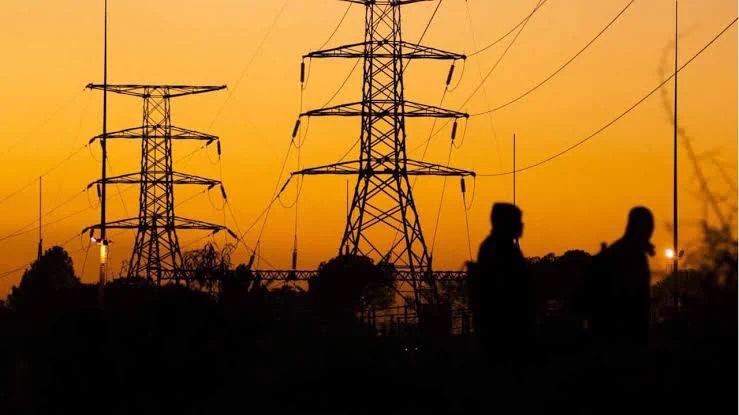
- Despite investing an estimated ₦10 trillion in Nigeria’s electricity sector over the past 13 years, the country continues to generate only about 4,500MW, leaving millions without stable power.
- While the Federal Government says sweeping reforms will transform the sector within three years, stakeholders argue inefficiency, mounting debts and poor management remain major obstacles.

Nigeria has invested an estimated ₦10 trillion in its electricity sector over the past 13 years, yet millions of Nigerians continue to grapple with unreliable power supply, raising fresh concerns over the effectiveness of successive government interventions.
Findings show that despite multiple intervention funds, debt settlements, payment guarantees, infrastructure financing programmes and multilateral loans since the privatisation of the power sector in 2013, electricity generation has remained largely stagnant at an average of about 4,500 megawatts (MW)—far below the country’s estimated demand of more than 30,000MW.
The huge public investments include the Central Bank of Nigeria’s ₦213 billion Nigerian Electricity Market Stabilisation Facility, the ₦701 billion Payment Assurance Guarantee for electricity generation companies, more than ₦200 billion under the National Mass Metering Programme, the ₦700 billion Presidential Metering Initiative, the €2.3 billion Siemens Presidential Power Initiative, over $2.4 billion in World Bank and African Development Bank-backed projects, as well as the recently introduced ₦4 trillion Presidential Power Sector Debt Reduction Programme.
Despite the spending, the latest report by the Nigerian Electricity Regulatory Commission (NERC) showed that during the first quarter of 2026, Nigeria’s average available generation capacity stood at 4,457.96MW, while actual average hourly generation was 4,112.72MW, still below the Federal Government’s 6,000MW target.
The sector also continues to battle a severe liquidity crisis.
The Association of Power Generation Companies (APGC) claimed debts owed to electricity generation companies had risen to ₦6.2 trillion, blaming unpaid government electricity subsidies. While the Federal Government disputed the figure, the Minister of Finance, Taiwo Oyedele, said verified liabilities stood at about ₦3.3 trillion following a reconciliation exercise.
However, APGC Executive Director, Dr. Joy Ogaji, challenged the government’s figures, insisting generation companies were not involved in the reconciliation process and questioning how the verified amount could cover outstanding obligations, including debts owed to gas suppliers.
Data from the Nigerian Bulk Electricity Trading Plc (NBET) further showed that between April 2025 and April 2026, the Federal Government received electricity subsidy invoices worth ₦1.859 trillion but paid only ₦76.95 billion, leaving outstanding obligations of approximately ₦1.78 trillion.
To tackle the mounting debt, the Federal Government has begun raising funds through the domestic bond market under its ₦4 trillion Presidential Power Sector Debt Reduction Programme.
Already, about ₦333 billion has been paid to electricity generation companies, while another ₦729 billion bond has been launched to finance additional settlements.
Meanwhile, the Minister of Power, Joseph Tegbe, said the Tinubu administration was embarking on a comprehensive reset of Nigeria’s electricity sector by addressing structural challenges that have persisted for over four decades.
According to him, the government has introduced a sector transformation agenda that includes a technical audit of the national transmission network, harmonisation of federal and state electricity regulations, grid stabilisation projects, market liquidity reforms, strategic asset optimisation and the development of a national super grid.
Tegbe expressed confidence that within the next two to three years, Nigerians would experience a stronger electricity grid, fewer technical losses, improved market discipline, increased investor confidence, wider electricity access and significantly higher operational capacity.
He also highlighted ongoing reforms, including the Presidential Metering Initiative aimed at closing Nigeria’s metering gap, investments in transmission infrastructure, expanded rural electrification, improved coordination across the electricity value chain and efforts to attract more private sector investment into the industry.
Stakeholders, however, insist that financial interventions alone will not solve Nigeria’s electricity challenges.
President of the Nigeria Consumer Protection Network, Kunle Olubiyo, argued that continued government involvement in the sector has encouraged inefficiency and revenue leakages, calling for full privatisation of the electricity value chain.
Similarly, President of the Chartered Institute of Power Engineers of Nigeria, Engr. Israel Abraham, blamed the sector’s poor performance on the appointment of non-technical professionals to manage critical institutions, insisting that only experienced industry experts can drive meaningful reforms.





BREAKING: FG Suspends 21 NSCDC Officers, Releases Full List
The Federal Government has suspended the Niger State Commandant of the NSCDC and 20 other officers following the deaths of...


FG Gives Fresh Update as 10-Member Panel Probes Deaths of 37 NSCDC Detainees
The Federal Government has constituted a 10-member independent committee to investigate the deaths of 37 suspected illegal miners...

Alex Otti Gives Fresh Update on Political Future, Says He Will Retire After Tenure
Abia State Governor Alex Otti has said he will retire from active politics after completing his tenure, ruling out a...

BREAKING: FG Plans Low-Key 66th Independence Celebration for Nigerians
President Bola Tinubu will address Nigerians in a nationwide broadcast on October 1 as the Federal Government prepares a low-key...

BREAKING: Youths Seeks Release of #EndSARS Report
Ogun youths have urged Governor Dapo Abiodun to make public the report of the state’s Judicial Panel of Investigation on...


Meet the 3 New Super Eagles Stars Set for Their First Nigeria Call-Up
George Ilenikhena, Isaac James and Moses Usor have earned their first Super Eagles invitations as Nigeria prepare for crucial 2026...

BREAKING: Tinubu Gives Fresh Order Over Deaths of 37 Miners
President Bola Tinubu has ordered a full and transparent investigation into the deaths of 37 miners in NSCDC custody in...


Burna Boy Set to Make History Again as He Headlines NFL’s First-Ever Paris Game
Nigerian Afrobeats superstar Burna Boy will return to Paris’ Stade de France in October to headline the halftime show for...

Dangote Refinery Reveals Why Falling Crude Prices May Not Hurt Its Profits
Dangote Refinery has assured prospective investors that a possible decline in crude oil prices after the US-Iran conflict will not...

Survivor Reveals IBB as Owner of Niger Gold Mine Where 37 Miners Died
A survivor of the Niger State mining detention tragedy has alleged that the gold-mining site where 37 suspected illegal miners...