
News
Senate Summons NNPCL, CBN and 40 MDAs Over Revenue Probe
Senate summons NNPCL, CBN and 40 MDAs over revenue remittance probe. See why the agencies are under scrutiny and what may happen next.

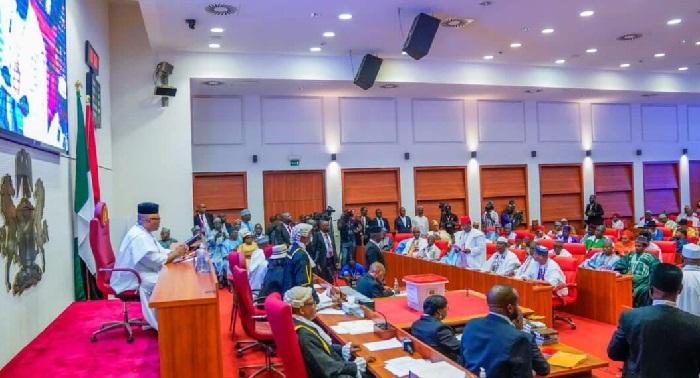
- Senate summons NNPCL, CBN and 40 MDAs over revenue remittance probe. See why the agencies are under scrutiny and what may happen next.

The Nigerian Senate has intensified its revenue probe as the Central Bank of Nigeria, Nigerian National Petroleum Company Limited and about 40 Ministries, Departments and Agencies face fresh pressure to account for public funds.
The development follows concerns that several government agencies failed to honour invitations from the Senate Committee on Finance during an ongoing review of revenues, remittances and operating surpluses.
The probe is focused on whether revenue-generating agencies properly remitted funds into the Consolidated Revenue Fund as required by law.
Why the Senate Is Probing NNPCL, CBN and Others
The Senate Committee on Finance is reviewing the financial records of key government institutions to determine their level of compliance with revenue remittance laws.
The committee is looking into internally generated revenue, operating surplus and other funds expected to be paid into government accounts.
Lawmakers are worried that some agencies may have failed to fully account for revenues generated between 2023 and 2025.
Agencies Listed for Scrutiny
The agencies expected to appear before the committee include:
- Nigerian National Petroleum Company Limited, NNPCL
- Central Bank of Nigeria, CBN
- Nigerian Upstream Petroleum Regulatory Commission, NUPRC
- Federal Radio Corporation of Nigeria, FRCN
- Joint Admissions and Matriculation Board, JAMB
- National Examinations Council, NECO
- Nigeria Deposit Insurance Corporation, NDIC
- Nigerian Shippers’ Council
- National Hajj Commission of Nigeria, NAHCON
- Other Ministries, Departments and Agencies
What the Senate Wants From the Agencies
The Senate wants the affected institutions to provide financial records, revenue details and explanations on funds generated and remitted.
The committee is expected to demand:
- Revenue records
- Operating surplus details
- Remittance evidence
- Audit documents
- Explanations for non-appearance before the committee
- Compliance records under financial laws
The Senate also warned that agencies that ignore legislative summons may face sanctions.
What the Law Says
The National Assembly has powers under Sections 88 and 89 of the 1999 Constitution to investigate the finances and administration of public institutions.
This means lawmakers can summon government agencies, request documents and question public officials on how public funds are managed.
Why This Matters to Nigerians
The probe matters because Nigeria is still battling revenue pressure, rising debt obligations and high cost of governance.
If government agencies fail to remit funds properly, it affects the money available for salaries, infrastructure, education, health, security and social programmes.
For many Nigerians, the bigger question is whether revenue-generating agencies are returning enough money to the government or keeping too much outside the public purse.
What Happens Next?
The Senate Committee on Finance is expected to continue its interactive review and may recommend tougher action against agencies that fail to comply.
Possible actions include:
- Fresh summons
- Public hearing
- Sanctions against defaulting agencies
- Formal reports to the Senate
- Demand for recovery of unpaid revenue
- Further investigation by relevant authorities
FAQs
Why is the Senate summoning NNPCL and CBN?
They are being summoned as part of a wider probe into revenue remittances, operating surplus and compliance with financial laws.
How many agencies are involved?
About 40 MDAs and government-owned enterprises are reportedly affected.
What is the Consolidated Revenue Fund?
It is the main government account where public revenues are expected to be paid.
Can the Senate sanction agencies that refuse to appear?
Yes. The Senate has constitutional powers to summon agencies and demand records during oversight investigations.
What period is under review?
The review covers revenue and remittance issues reportedly linked to the 2023 to 2025 period.





BREAKING: FG Plans Low-Key 66th Independence Celebration for Nigerians
President Bola Tinubu will address Nigerians in a nationwide broadcast on October 1 as the Federal Government prepares a low-key...

BREAKING: Youths Seeks Release of #EndSARS Report
Ogun youths have urged Governor Dapo Abiodun to make public the report of the state’s Judicial Panel of Investigation on...


Meet the 3 New Super Eagles Stars Set for Their First Nigeria Call-Up
George Ilenikhena, Isaac James and Moses Usor have earned their first Super Eagles invitations as Nigeria prepare for crucial 2026...

BREAKING: Tinubu Gives Fresh Order Over Deaths of 37 Miners
President Bola Tinubu has ordered a full and transparent investigation into the deaths of 37 miners in NSCDC custody in...


Burna Boy Set to Make History Again as He Headlines NFL’s First-Ever Paris Game
Nigerian Afrobeats superstar Burna Boy will return to Paris’ Stade de France in October to headline the halftime show for...

Dangote Refinery Reveals Why Falling Crude Prices May Not Hurt Its Profits
Dangote Refinery has assured prospective investors that a possible decline in crude oil prices after the US-Iran conflict will not...

Survivor Reveals IBB as Owner of Niger Gold Mine Where 37 Miners Died
A survivor of the Niger State mining detention tragedy has alleged that the gold-mining site where 37 suspected illegal miners...


VIDEO: ‘Wear Only APC Cap or Face Consequences’, Edo LG Chairman Threatens Drivers
The chairman of Esan West Local Government Area of Edo State, Blessing Ebhodaghe, has directed commercial drivers in the council...

IPOB: 2027 Election Is No Substitute for a Referendum — Let the Peoples Decide
IPOB has called for a referendum to allow Nigerians and the country’s constituent peoples to decide the political arrangement under...

Sanwo-Olu, Fashola, Ambode, Others Named in Lagos APC 2027 Campaign Council (Full List)
The Lagos State chapter of the APC has unveiled its campaign council ahead of the 2027 general elections, naming Governor...